
Insect
Chaoborus crystallinus
Chaoborus crystallinusAlso known as Glassworm, Phantom Midge
Larvae of this phantom midge are nearly transparent aquatic predators known as glassworms, equipped with paired internal air sacs that allow them to control buoyancy and hang suspended in the water column. They ambush microcrustaceans such as water fleas with rapid, grasping antennae before digesting them internally within their clear bodies. Adult midges emerge in synchronized summer swarms around freshwater bodies, living only briefly to mate and lay eggs without ever biting humans.
AquaticPredatoryFreshwater
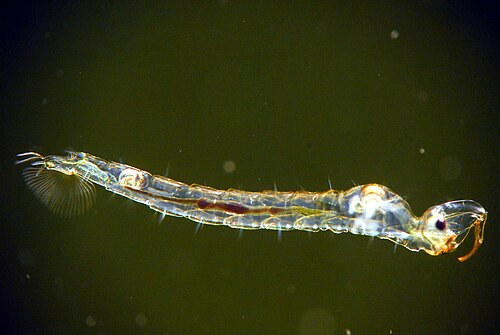
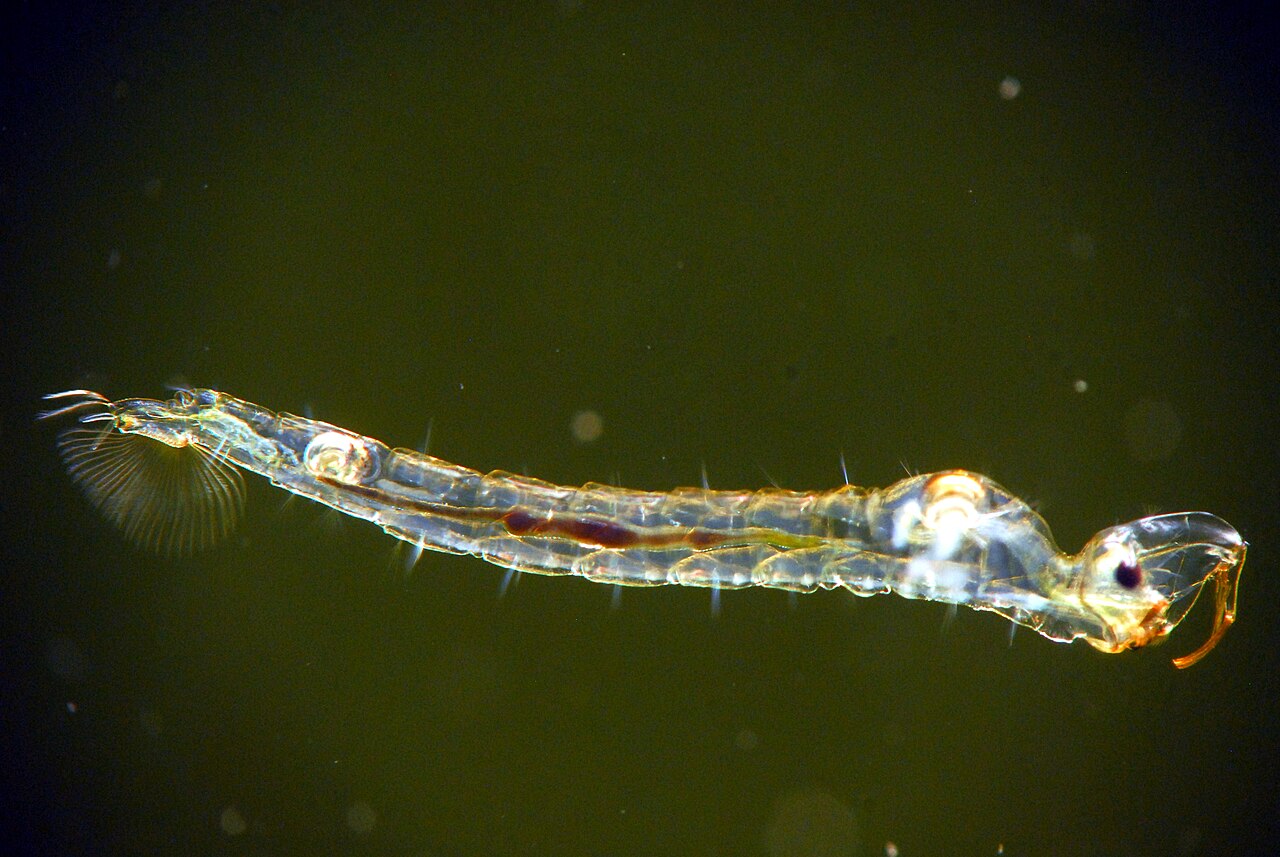
—observations
—countries
—peak records
Not EvaluatedConservation statusIUCN Red List categoriesLCNTVUENCREWEXNot Evaluated — not placed on the risk ladderRed List categories, explained →
Diet & preyDaphnia, Copepod, Mosquito larva
Predators
- Stickleback
- Diving beetle
- Dragonfly nymph
ThreatsChemical water pollution, pesticide runoff, and excessive fish stocking in small ponds
HabitatsPermanent and temporary freshwater ponds, lakes, bogs, and quiet backwaters
Life span1–2 years (primarily as larvae); adults survive only 5–14 days
Classification
- FamilyChaoboridae
- SpeciesChaoborus crystallinus
Range data is not available yet.
Interaction riskLow
- Low
- Moderate
- High
- Very high
- Why interaction risk is low
- Safe to observe at a normal distance.
Responsible observation
- Pond Dipping: Collect water using a fine-mesh aquatic net and inspect samples in a clear jar to spot larvae.
- Backlight Viewing: Hold a clear container toward sunlight to illuminate their silvery tracheal air sacs.
- Dusk Watching: Look for non-biting adult swarms dancing over shoreline reeds on calm summer evenings.
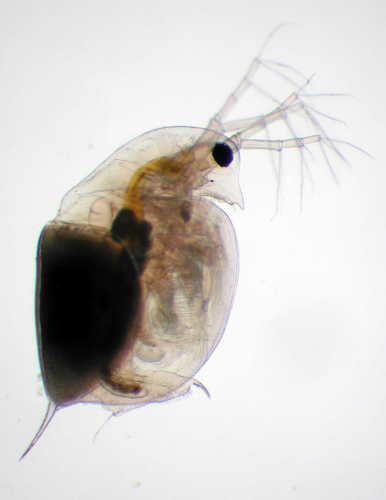
Prey (c) Dieter Ebert, Basel, Switzerland, some rights reserved (CC BY-SA) · cc-by-sa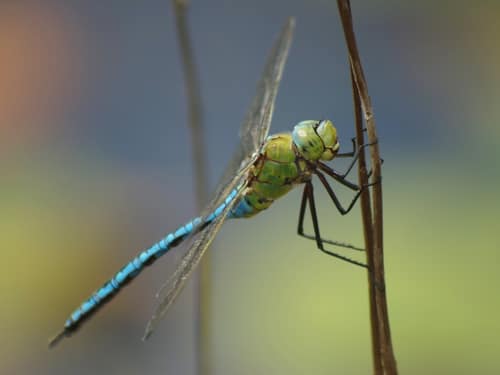
Predator (c) Ludivine Lamare, some rights reserved (CC BY), uploaded by Ludivine Lamare · cc-by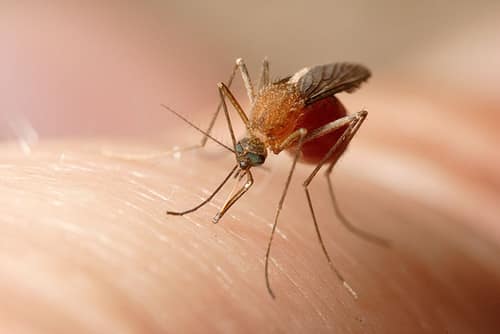
Competitor Urmas Tartes / CC BY-SA 4.0 · cc-by-sa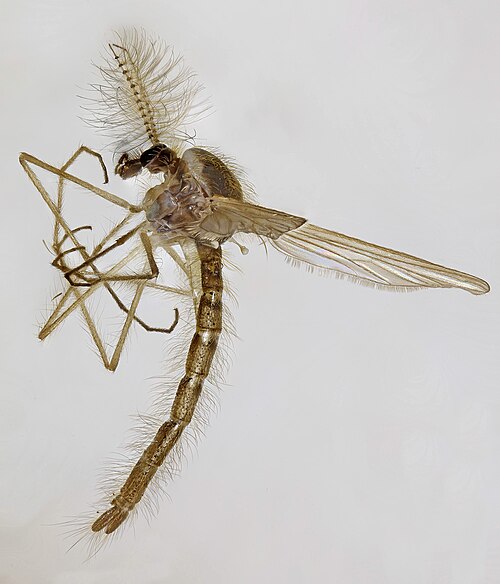
Close Relative Janet Graham / CC BY 2.0 · cc-by
Help improve the field guideSomething wrong?
Checking your Fauna account…Report a name, category, or profile issue for review.