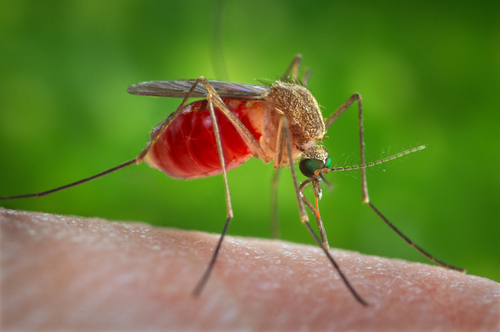
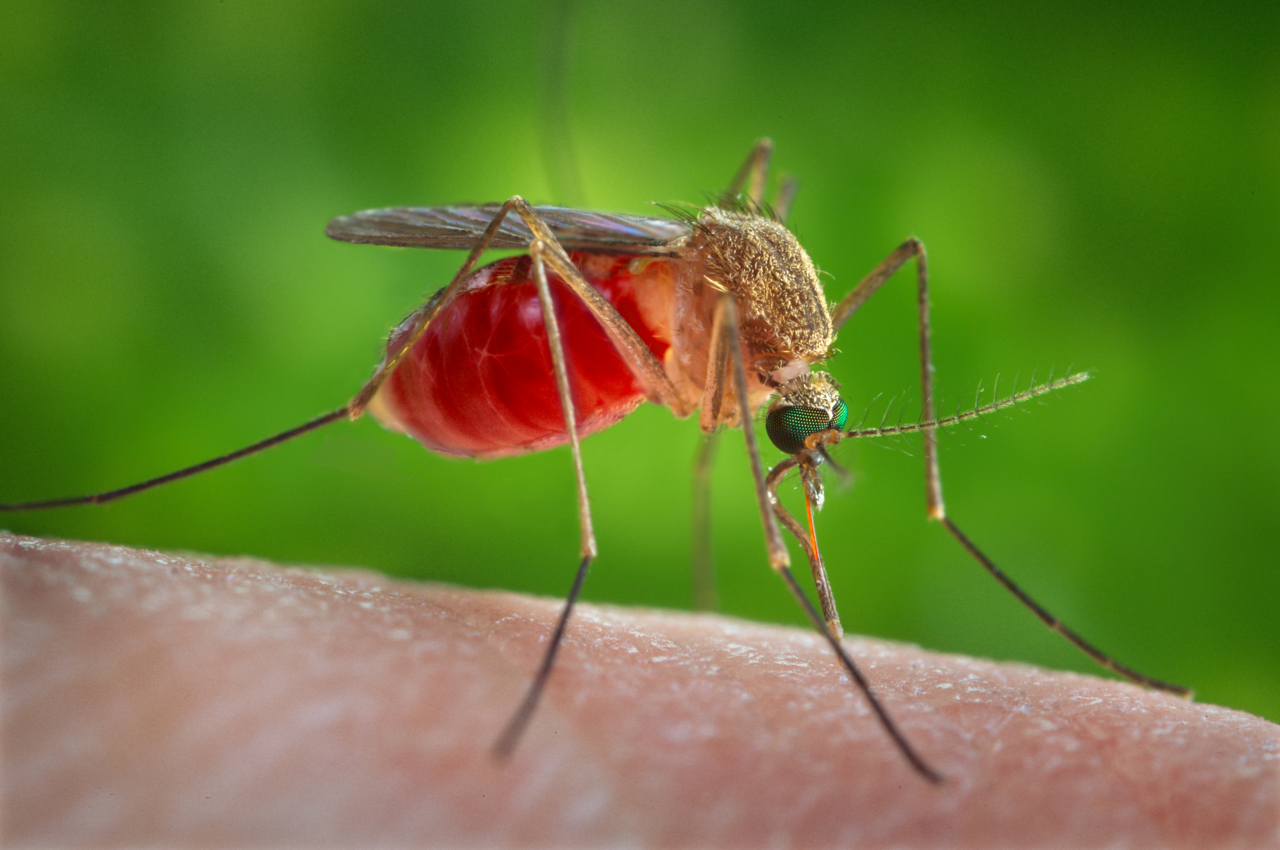
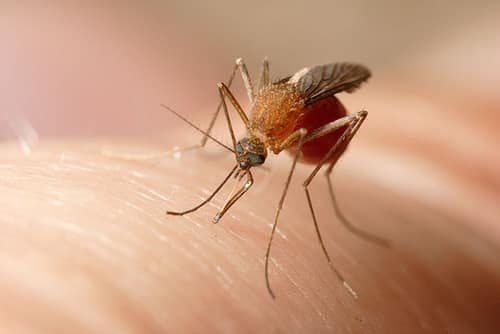
Southern house mosquitoes are opportunistic nocturnal biters that thrive in warm, human-altered landscapes across the tropics and subtropics. Females lay boat-shaped rafts containing over one hundred eggs directly upon stagnant, nutrient-rich water such as storm drains and septic overflows. Their persistent feeding on both birds and mammals makes them a primary transmission bridge for numerous pathogens affecting wildlife and human populations.
Not EvaluatedConservation statusIUCN Red List categoriesLCNTVUENCREWEXNot Evaluated — not placed on the risk ladderRed List categories, explained →
Key facts
Diet & prey
Plant Nectar
Avian Blood
Mammalian Blood
Predators
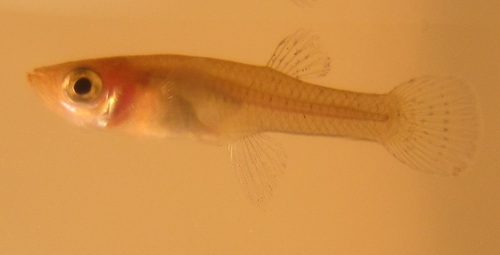
Mosquitofish
Dragonfly Nymph
Pipistrelle Bat
ThreatsInsecticide spraying, environmental sanitation, and biological controls such as predatory fish.
HabitatsUrban and suburban areas, agricultural drainage, ditches, flooded containers, and polluted wetlands.
Life spanAdults live 2–6 weeks; aquatic larval and pupal stages develop in 7–14 days.
Size / weightNot available
Classification
FamilyCulicidae
SpeciesCulex quinquefasciatus
Range & activity
Range data is not available yet.
Safe observation
Interaction riskModerate
Low
Moderate
High
Very high
Why interaction risk is moderate
Transmits West Nile virus and other pathogens; avoid bites using insect repellent and eliminate standing water.
Why it is dangerous
Females transmit pathogens including West Nile virus, St. Louis encephalitis virus, and filarial worms, causing severe neuroinvasive illness or chronic lymphedema.
How to recognize a risky encounter
Look for a medium-sized brownish mosquito with uniform unbanded dark legs and pale basal bands across the abdominal segments.
What to do
Do not allow females to feed; use barrier netting, screens, and repellents, and eliminate standing water around dwellings.
Responsible observation
Source Reduction: Empty buckets, clogged gutters, and unmaintained birdbaths weekly to disrupt breeding.
Personal Protection: Wear long sleeves and apply EPA-registered repellents like DEET when outdoors at dusk or dawn.