
Insect · GBIF taxon 1648938
Elephant Mosquito
Toxorhynchites rutilusAlso known as Treehole Predatory Mosquito, Cannibal Mosquito
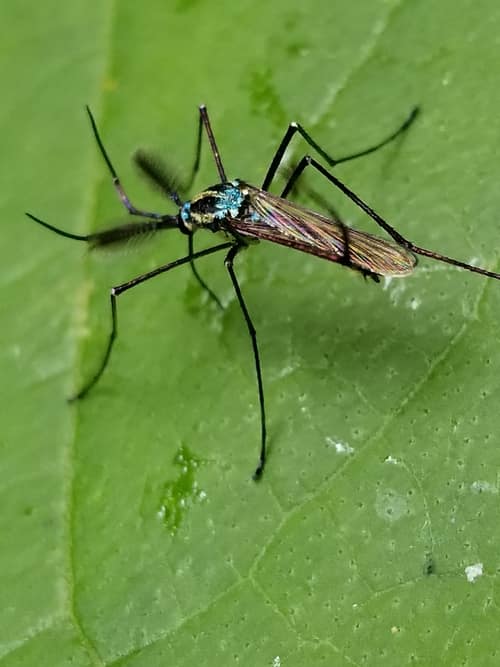
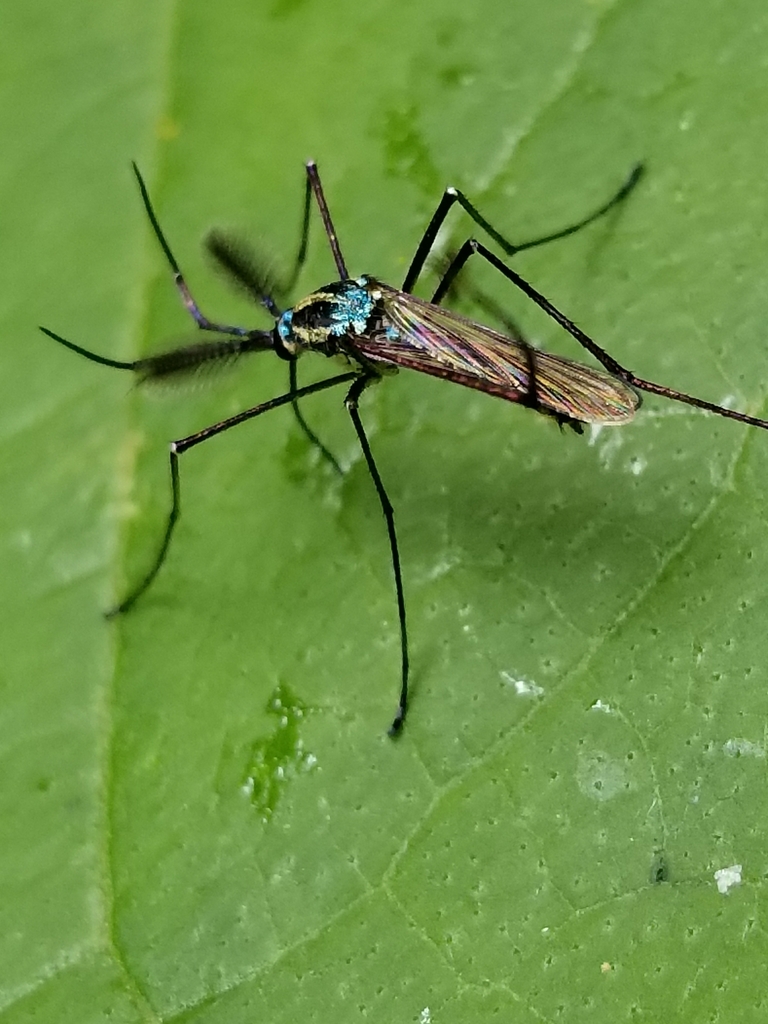
Elephant mosquitoes are among the largest mosquitoes in the world, distinguished by shimmering iridescent purple and gold scales and a pronounced downward-curved proboscis. Neither sex bites humans or other vertebrates, feeding exclusively on nectar, sap, and fruit juices. Their large, predatory aquatic larvae feed aggressively on the larvae of disease-carrying mosquitoes, making them highly beneficial allies in woodland ecosystems and urban gardens.
BeneficialIridescentNectar Feeder
 1 / 7
1 / 7—observations
—countries
—peak records
Not EvaluatedConservation statusIUCN Red List categoriesLCNTVUENCREWEXNot Evaluated — not placed on the risk ladderRed List categories, explained →
Diet & prey
- Mosquito larvae
- Midge larvae
- Floral nectar
Predators
- Dragonflies
- Jumping spiders
- Insectivorous birds
ThreatsBroad-spectrum insecticide fogging and indiscriminate drainage of natural tree cavities.
HabitatsTemperate deciduous forests, mature woodlands, tree hollows, and artificial water containers.
Life spanAdults live 3–5 weeks; full life cycle takes 4–8 weeks.
Size / weightNot available
Classification
- FamilyCulicidae
- SpeciesToxorhynchites rutilus
Range data is not available yet.
Interaction riskLow
- Low
- Moderate
- High
- Very high
- Why interaction risk is low
- Safe to observe at a normal distance; adults lack blood-feeding mouthparts and cannot bite.
Responsible observation
- Identification: Look for a massive mosquito with a bent snout and metallic sheen nectaring on flowers.
- Beneficial Larvae: Avoid treating rain barrels with pesticides if large, active larvae are hunting smaller wigglers inside.
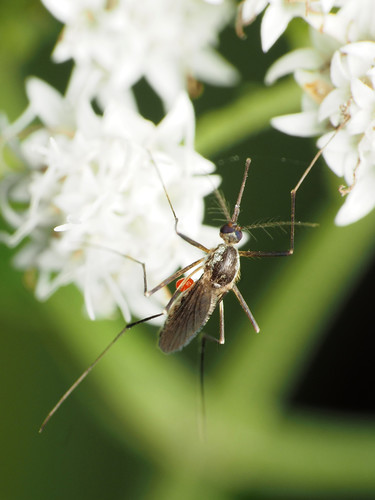
Prey (c) Katja Schulz, some rights reserved (CC BY) · cc-by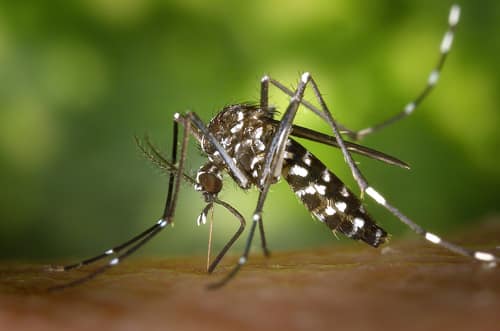
Prey James Gathany, CDC / Public domain · cc0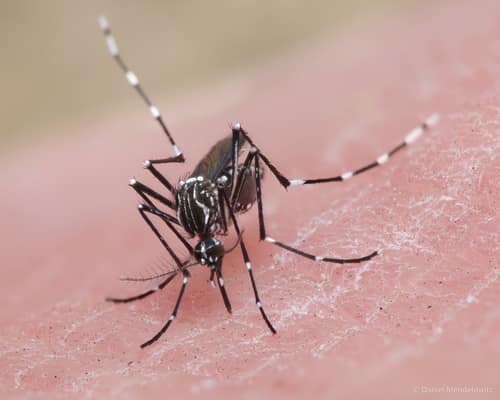
Prey (c) Dan Mendelowitz, some rights reserved (CC BY), uploaded by Dan Mendelowitz · cc-by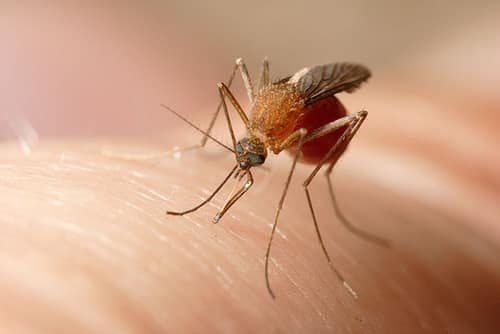
Prey Urmas Tartes / CC BY-SA 4.0 · cc-by-sa
Help improve the field guideSomething wrong?
Checking your Fauna account…Report a name, category, or profile issue for review.