
Insect · GBIF taxon 1622599
Eastern Cherry Fruit Fly
Rhagoletis cingulataAlso known as Cherry Fruit Fly
Eastern cherry fruit flies spend most of their early life hidden inside developing cherries, where larvae feed on fruit flesh before dropping to the soil to pupate over winter. Adult flies emerge in late spring displaying bold black bands across their transparent wings and a distinct white spot on the thorax. Females deposit single eggs beneath the skin of ripening cherries, making them a notable focus of management in commercial cherry orchards.
Agricultural PestStriped WingsFruit Inhabiting
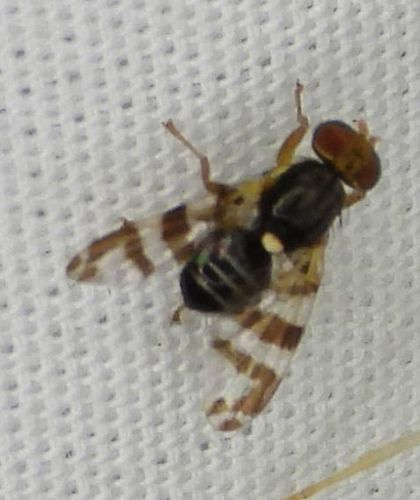
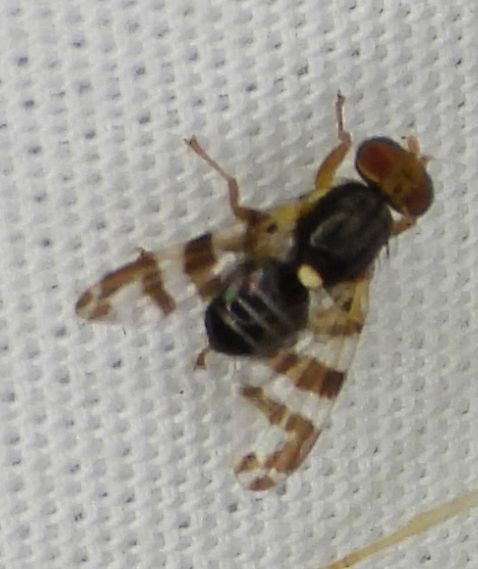 1 / 7
1 / 7—observations
—countries
—peak records
Not EvaluatedConservation statusIUCN Red List categoriesLCNTVUENCREWEXNot Evaluated — not placed on the risk ladderRed List categories, explained →
Diet & prey
- Wild black cherry
- Tart cherry
- Sweet cherry
Predators
- Jumping spiders
- Insectivorous birds
- Parasitoid wasps
ThreatsPesticides, targeted agricultural trapping, and parasitoid wasps.
HabitatsOrchards, deciduous forest margins, and thickets containing wild cherry trees.
Life span1–2 months as adults; 1 year total lifecycle including winter diapause.
Size / weightNot available
Classification
- OrderDiptera
- FamilyTephritidae
- GenusRhagoletis
- SpeciesRhagoletis cingulata
Range data is not available yet.
Interaction riskLow
- Low
- Moderate
- High
- Very high
- Why interaction risk is low
- Safe to observe at a normal distance.
Responsible observation
- Look near fruit: Search wild black cherry trees during early summer when fruit begins to color.
- Observe wing patterns: Inspect the dark band arrangements on the wings to differentiate from related flies.
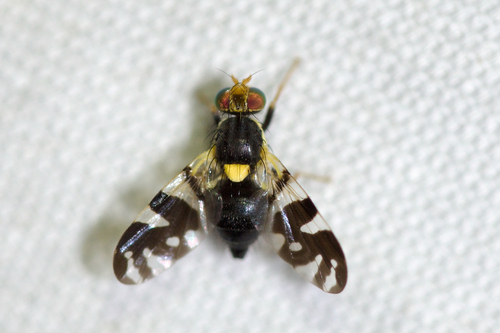
Close Relative (c) Owen Strickland, some rights reserved (CC BY) · cc-by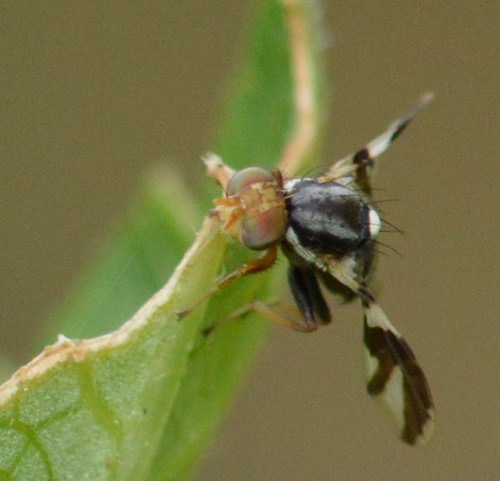
Close Relative (c) David Anderson, some rights reserved (CC BY), uploaded by David Anderson · cc-by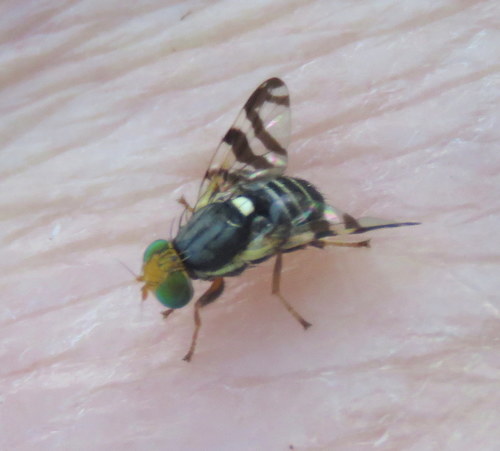
Close Relative no rights reserved, uploaded by Steve Wells · cc0
Help improve the field guideSomething wrong?
Checking your Fauna account…Report a name, category, or profile issue for review.