
Insect · GBIF taxon 1601159
Willow Pinecone Gall Midge
Rabdophaga strobiloidesAlso known as Pine Cone Gall Fly, Willow Pinecone Fly
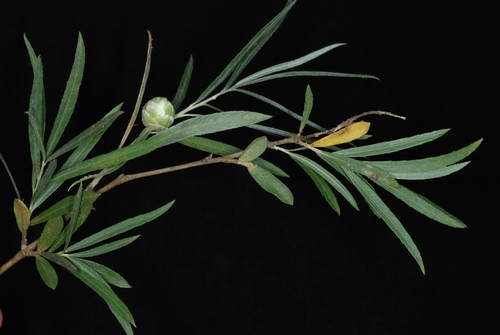
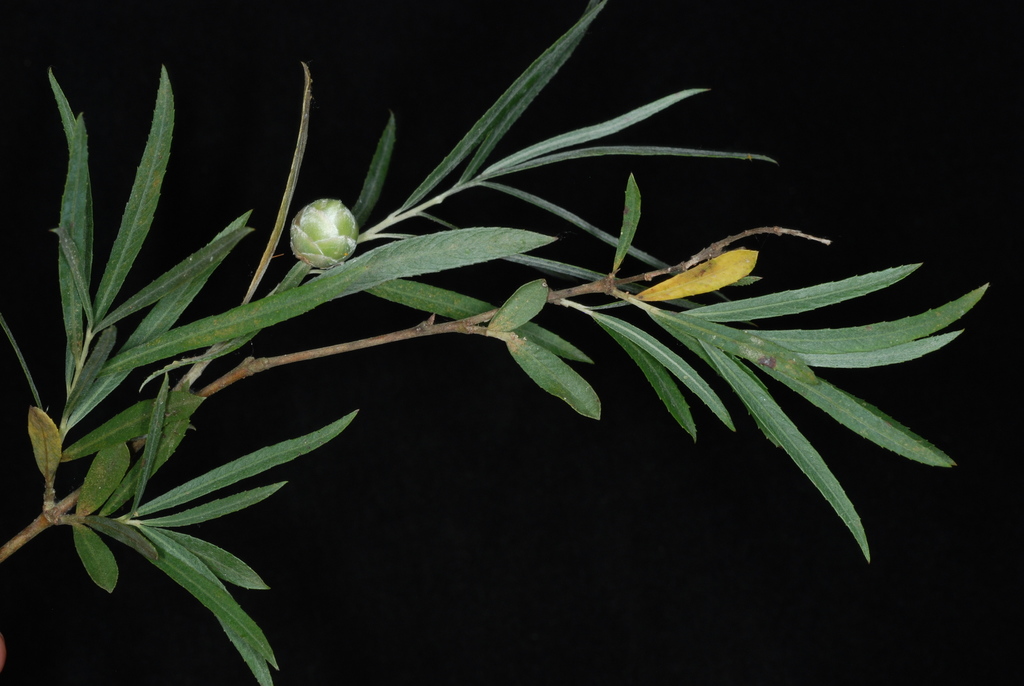
Willow pinecone gall midges hijack the shoot tips of native willows, altering stem growth to form distinctive pinecone-like galls made of closely overlapped leaves. Inside this protective leafy chamber, a single orange larva feeds on plant tissue throughout summer and overwinters in place before emerging as an adult in early spring. These persistent woody galls remain on branches long after the midge exits, providing critical winter shelter for spiders, inquiline insects, and solitary bees.
Gall MakerInsectWetland
 1 / 7
1 / 7—observations
—countries
—peak records
Not EvaluatedConservation statusIUCN Red List categoriesLCNTVUENCREWEXNot Evaluated — not placed on the risk ladderRed List categories, explained →
Diet & prey
- Willow plant tissue
Predators
- Chickadees
- Woodpeckers
- Parasitoid wasps
ThreatsParasitoid wasps and wetland habitat loss
HabitatsStream banks, marshes, and damp thickets
Life span1 year
Classification
- OrderDiptera
- FamilyCecidomyiidae
- GenusRabdophaga
- SpeciesRabdophaga strobiloides
Range data is not available yet.
Interaction riskLow
- Low
- Moderate
- High
- Very high
- Why interaction risk is low
- Safe to observe at a normal distance.
Responsible observation
- Winter Spotting: Look for dark, cone-shaped leaf clusters standing out on leafless willow branches during late winter.
- Gall Preservation: Avoid cutting open green galls in summer so the single developing larva inside can complete its lifecycle.
- Microhabitat Checks: Inspect older weathered brown galls in spring to find hibernating spiders and beneficial secondary insects.
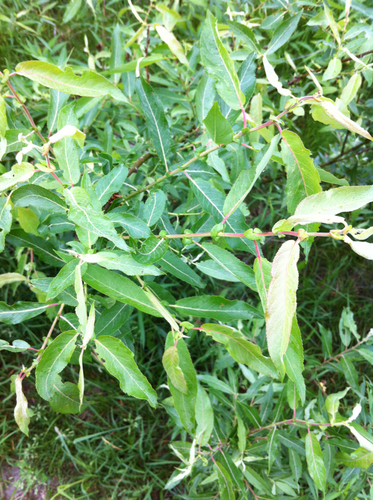
Host Plant (c) naturalist charlie, some rights reserved (CC BY), uploaded by naturalist charlie · cc-by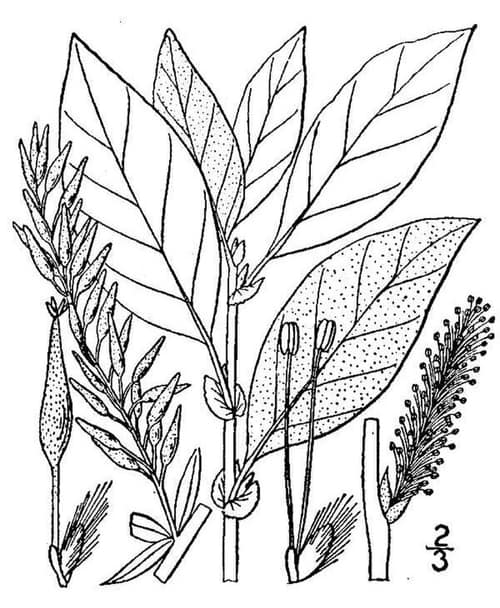
Host Plant Wikimedia Commons / Public domain · cc0 Image unavailable
Co-Inhabitant
Help improve the field guideSomething wrong?
Checking your Fauna account…Report a name, category, or profile issue for review.