
Insect
Hawthorn Fly
Bibio marciAlso known as St. Mark's Fly, Saint Mark's Fly
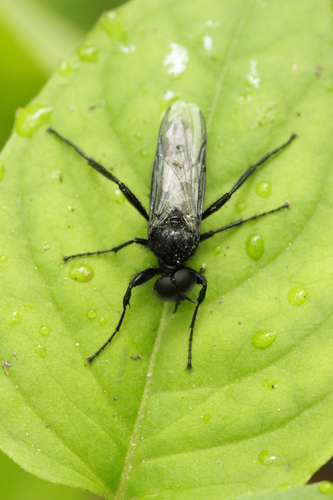
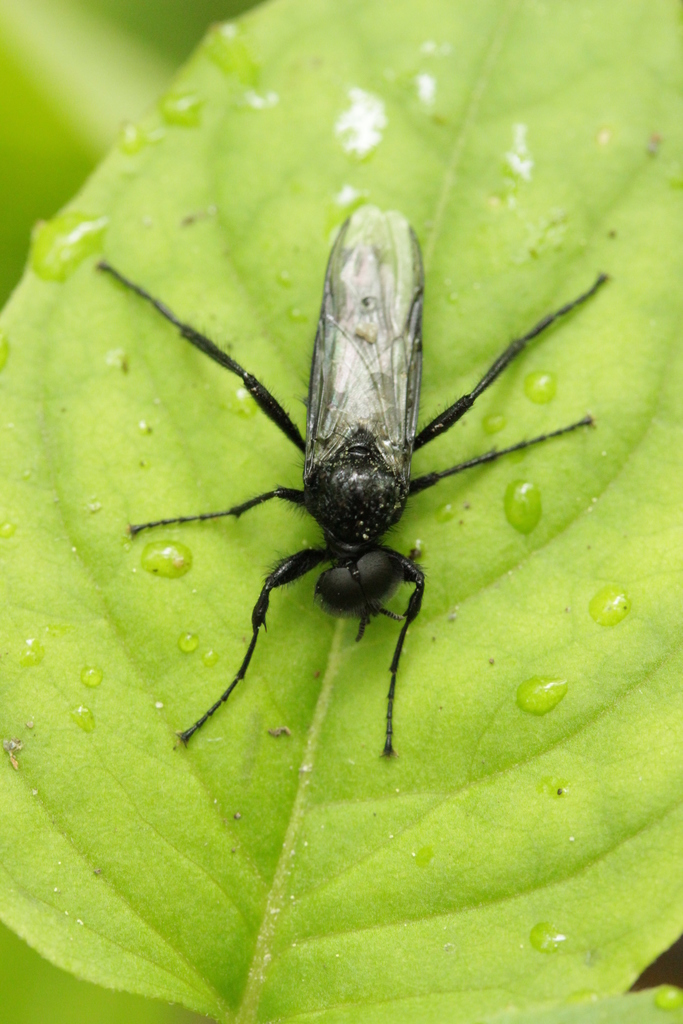
Hawthorn flies emerge in dramatic synchronous swarms during mid-spring, drifting through the air with their distinctive long legs dangling beneath heavy black bodies. Males feature immense, domed compound eyes covering nearly their entire heads, which allow them to track receptive females hovering above hedgerows. Though their sudden abundance can look overwhelming to casual walkers, adults live only a matter of days to mate and pollinate spring flowers.
HarmlessPollinatorSeasonal
—observations
—countries
—peak records
Not EvaluatedConservation statusIUCN Red List categoriesLCNTVUENCREWEXNot Evaluated — not placed on the risk ladderRed List categories, explained →
Diet & preyDecaying vegetation, Plant roots, Flower nectar
Predators
- Barn Swallow
- European Robin
- Garden Spider
ThreatsHeavy pesticide application and intensive soil tilling
HabitatsWoodland edges, meadows, hedgerows, and gardens
Life span1 year overall (adults live 1–2 weeks)
Classification
- FamilyBibionidae
- SpeciesBibio marci
Range data is not available yet.
Interaction riskLow
- Low
- Moderate
- High
- Very high
- Why interaction risk is low
- Harmless to humans and domestic pets; safe to observe at close range.
Responsible observation
- Observation Timing: Look for them hovering lazily along sunny hedgerows in late April and early May.
- Gentle Handling: If one lands on clothing or skin, allow it to rest undisturbed; it cannot bite or sting.
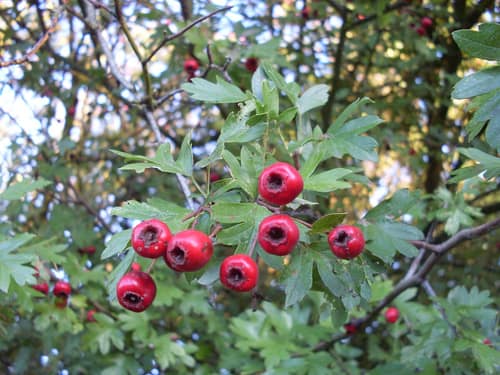
Host Plant Elstro / CC BY 3.0 · cc-by Image unavailable
Close Relative 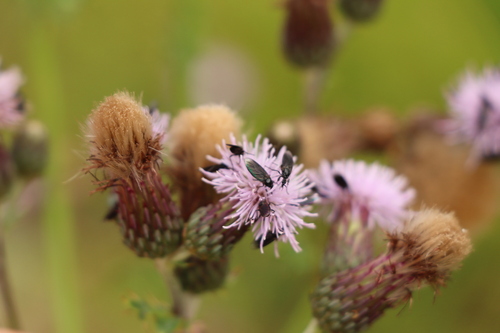
Close Relative (c) Dave, some rights reserved (CC BY) · cc-by
Help improve the field guideSomething wrong?
Checking your Fauna account…Report a name, category, or profile issue for review.