
Insect
Mouse Bot Fly
Cuterebra fontinellaAlso known as White-Footed Mouse Bot Fly, Rodent Botfly
Adult mouse bot flies resemble small bumblebees with stout, dark bodies dusted in pale hairs, designed solely to mate and reproduce during their brief adulthood. Females do not pursue hosts directly; instead, they deposit eggs near rodent burrows and runways, where host body heat triggers the larvae to hatch instantly and latch onto passing fur. After entering through a natural orifice, each larva settles under the skin of a small mammal, opening a small warble pore to breathe while feeding harmlessly on tissue fluids before exiting to pupate in the leaf litter.
ParasiticWoodlandBumblebee Mimic
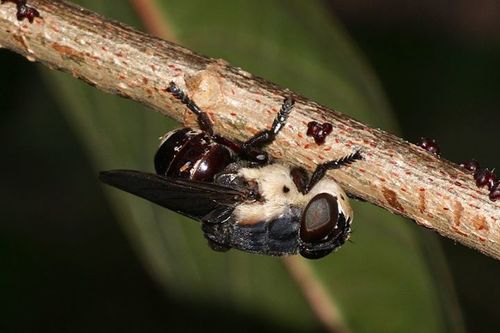
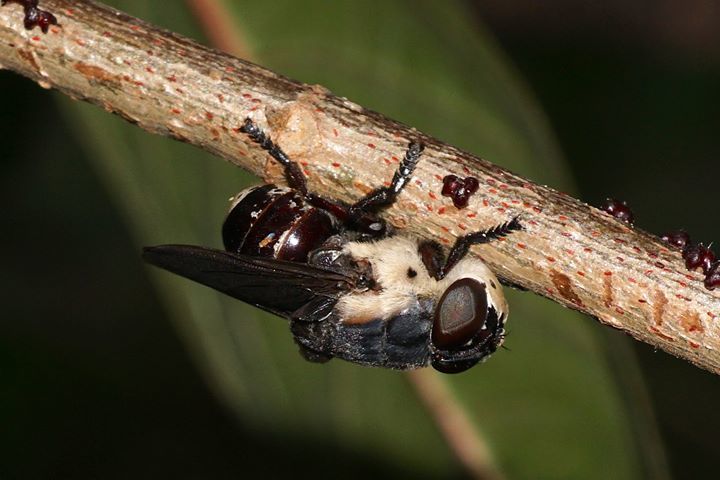
—observations
—countries
—peak records
Not EvaluatedConservation statusIUCN Red List categoriesLCNTVUENCREWEXNot Evaluated — not placed on the risk ladderRed List categories, explained →
Diet & preyNon-feeding adults (vestigial mouthparts); larvae consume host tissue fluids
Predators
- Insectivorous Birds
- Robber Flies
- Jumping Spiders
ThreatsWidespread insecticide application and habitat loss affecting rodent host populations
HabitatsTemperate deciduous woodlands, brushy fields, and forest margins
Life spanAdults live 9–14 days; total cycle from egg to adult takes roughly 1 year
Classification
- OrderDiptera
- FamilyOestridae
- GenusCuterebra
- SpeciesCuterebra fontinella
Range data is not available yet.
Interaction riskLow
- Low
- Moderate
- High
- Very high
- Why interaction risk is low
- Adults cannot bite or sting, making them safe to observe at close range.
Responsible observation
- Spotting Adults: Watch sunlit tree trunks and low leaves in midsummer where territorial males perch.
- Wildlife Ethics: Never attempt to squeeze or pull warble larvae from wild mice, which risks fatal shock.
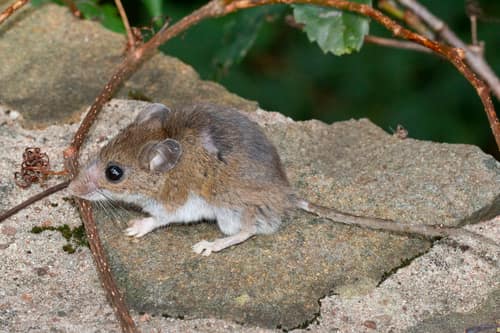
Primary Host (c) Kristof Zyskowski, some rights reserved (CC BY), uploaded by Kristof Zyskowski · cc-by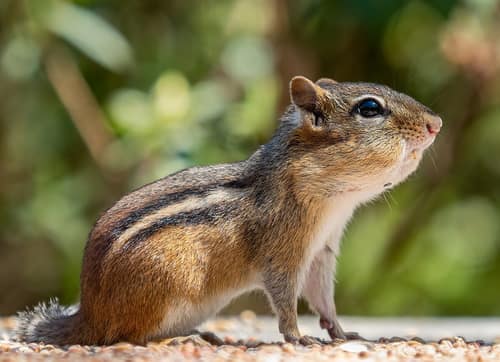
Incidental Host Rhododendrites / CC BY-SA 4.0 · cc-by-sa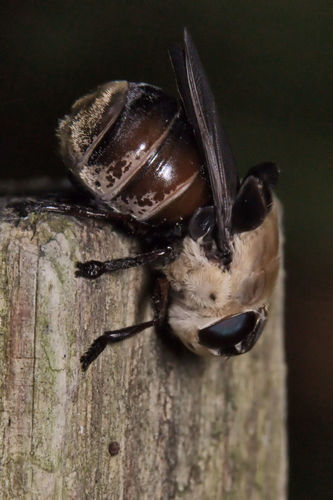
Close Relative no rights reserved, uploaded by Dennis White · cc0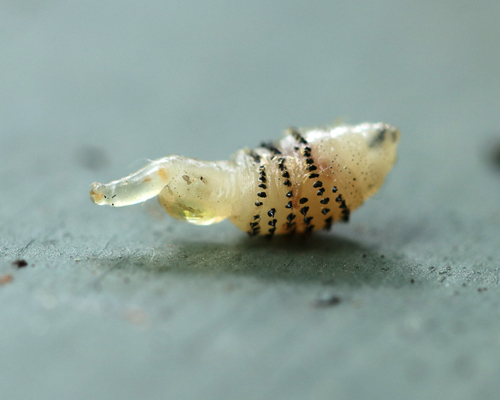
Close Relative no rights reserved, uploaded by Paula Romano · cc0
Help improve the field guideSomething wrong?
Checking your Fauna account…Report a name, category, or profile issue for review.