
Insect · GBIF taxon 1540826
Large-tailed Aphideater
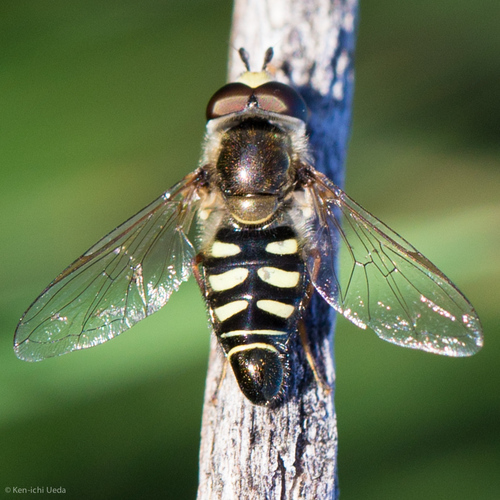
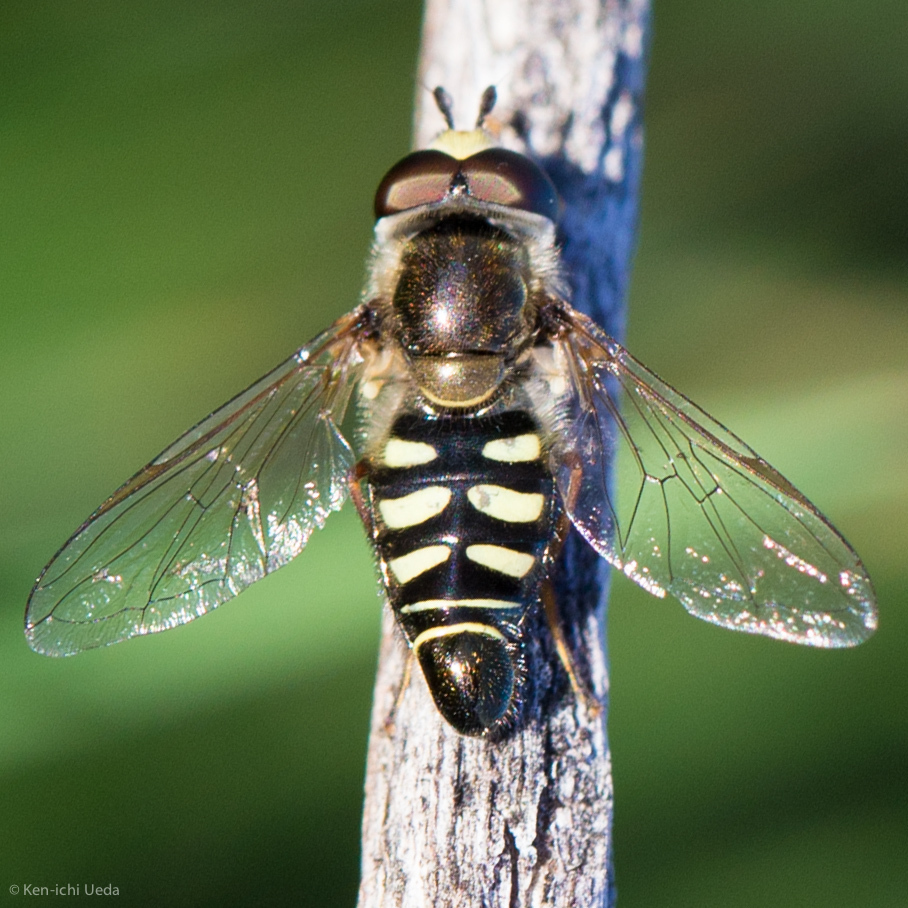
Eupeodes volucrisAlso known as Bird Hover Fly
Large-tailed aphideaters are nimble flower visitors that mimic yellowjackets to ward off predators while posing zero threat to humans. Female flies deposit single eggs directly into dense aphid colonies, unleashing voracious legless larvae that consume hundreds of crop pests before pupating. Adults display impressive aerial control, hovering motionless in midair before darting away in the blink of an eye.
PollinatorBeneficial InsectHovering
 1 / 7
1 / 7—observations
—countries
—peak records
Not EvaluatedConservation statusIUCN Red List categoriesLCNTVUENCREWEXNot Evaluated — not placed on the risk ladderRed List categories, explained →
Diet & prey
- Aphids
- Scale Insects
- Thrips
Predators
- Jumping Spiders
- Insectivorous Birds
- Dragonflies
ThreatsBroad-spectrum pesticide application and agricultural intensification
HabitatsGardens, agricultural fields, meadows, and open woodlands
Life span1–3 months
Classification
- FamilySyrphidae
- SpeciesEupeodes volucris
Range data is not available yet.
Interaction riskLow
- Low
- Moderate
- High
- Very high
- Why interaction risk is low
- Safe to observe at a normal distance.
Responsible observation
- Approach Slowly: Pause near blooming flowers and move gently to photograph adults while they hover motionless.
- Garden Friend: Avoid broad-spectrum insecticides to allow these native predators to keep garden aphids in check.
- Check Leaves: Look on the undersides of aphid-infested leaves to spot translucent, pale green larvae at work.
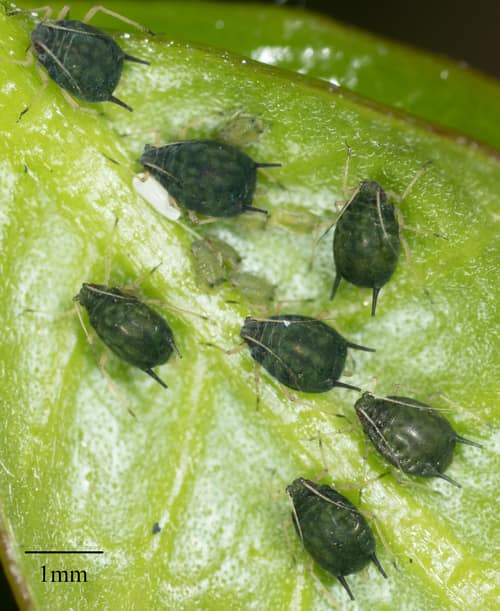
Prey no rights reserved, uploaded by Jesse Rorabaugh · cc0 Image unavailable
Close Relative Family Member 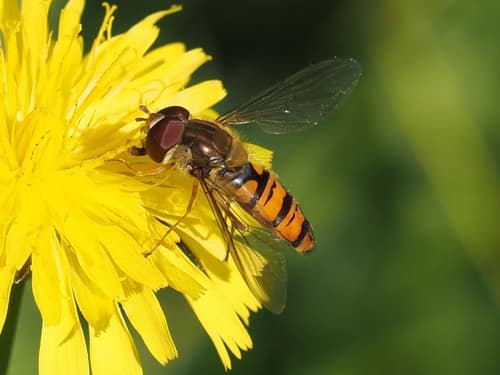
Family Member (c) Michael Knapp, some rights reserved (CC BY), uploaded by Michael Knapp · cc-by
Help improve the field guideSomething wrong?
Checking your Fauna account…Report a name, category, or profile issue for review.