
Insect
Salpingogaster nigra
Salpingogaster nigraSalpingogaster nigra is a slender, wasp-mimicking hoverfly native to the Neotropics, widely recognized as a beneficial natural predator in agricultural ecosystems. Adult females seek out frothy spittle masses on grasses, laying eggs directly alongside sap-sucking nymphs. The voracious maggot larvae burrow straight into the protective foam to consume destructive pasture and sugarcane froghoppers before transforming into pupae.
Beneficial PredatorWasp MimicPollinator
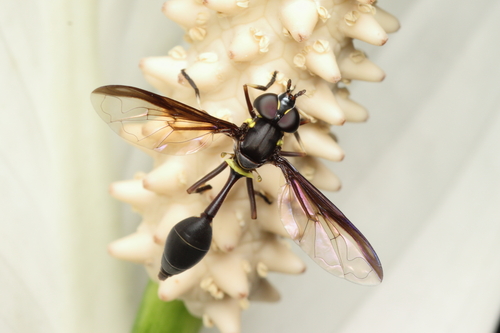
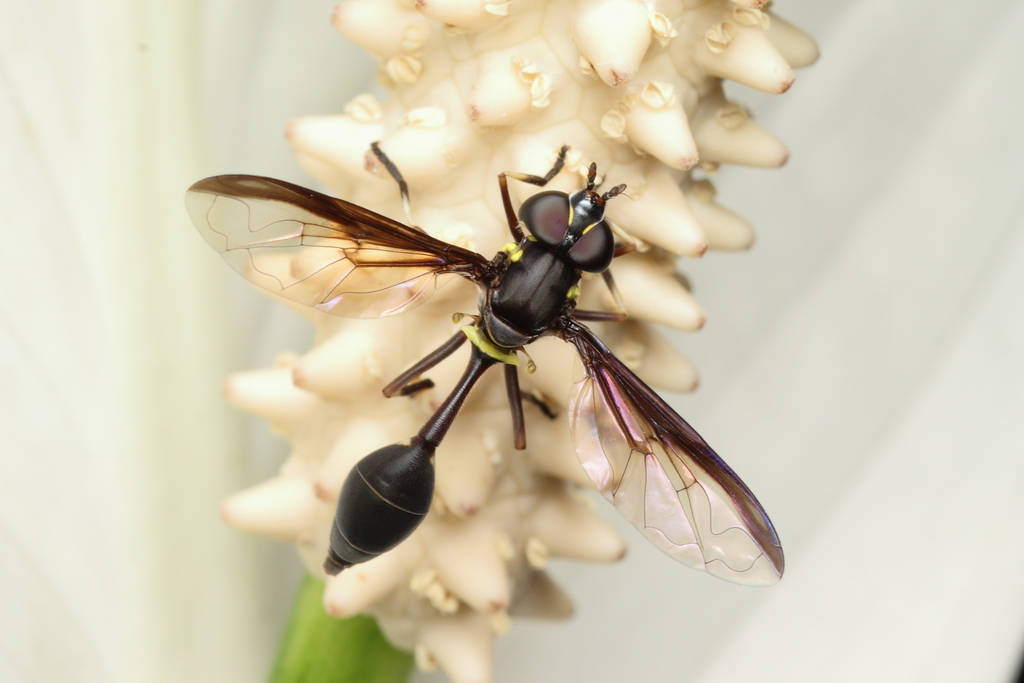
—observations
—countries
—peak records
Not EvaluatedConservation statusIUCN Red List categoriesLCNTVUENCREWEXNot Evaluated — not placed on the risk ladderRed List categories, explained →
Diet & preySugarcane spittlebug nymphs, Pasture froghopper nymphs, Floral nectar
Predators
- Insectivorous birds
- Robber flies
- Jumping spiders
ThreatsBroad-spectrum agricultural insecticides and habitat clearance
HabitatsPastures, grasslands, sugarcane fields, and tropical forest edges
Life span3–6 weeks
Classification
- OrderDiptera
- FamilySyrphidae
- GenusSalpingogaster
- SpeciesSalpingogaster nigra
Range data is not available yet.
Interaction riskLow
- Low
- Moderate
- High
- Very high
- Why interaction risk is low
- Harmless pollinator and beneficial predator; safe to observe at close range.
Responsible observation
- Host Plants: Inspect sugarcane stalks and pasture grasses harboring spittle masses to spot hunting females.
- Approach Quietly: Hoverflies startle easily from sudden movements but readily return to favorite perches.
 Image unavailable
Prey Prey 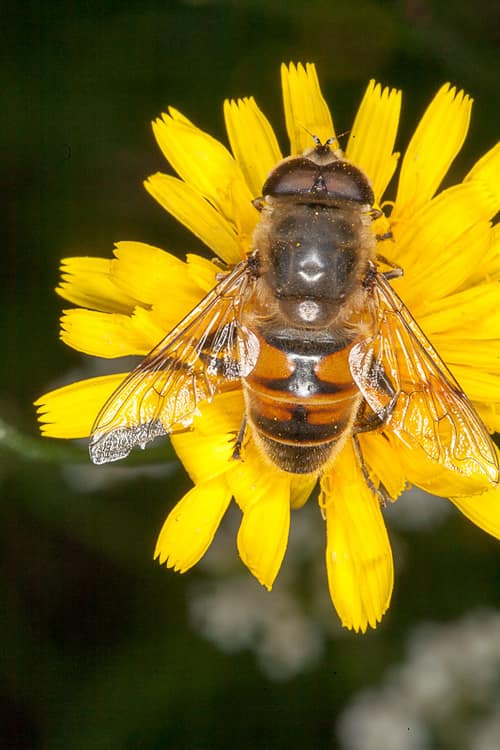
Same Family (c) Drepanostoma, some rights reserved (CC BY), uploaded by Drepanostoma · cc-by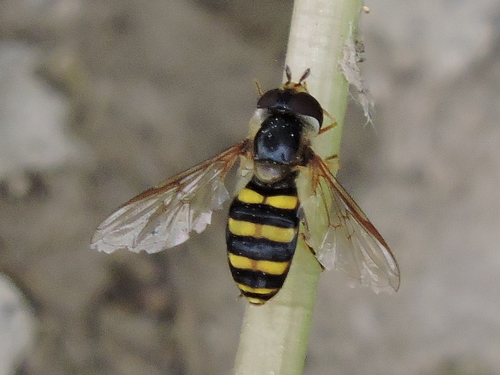
Same Family (c) Sam Kieschnick, some rights reserved (CC BY), uploaded by Sam Kieschnick · cc-by
Help improve the field guideSomething wrong?
Checking your Fauna account…Report a name, category, or profile issue for review.