
Insect · GBIF taxon 1529707
Moose Fly
Haematobosca alcisMoose flies are specialized blood-feeding insects that live in intimate association with their massive cervid hosts across northern North America. Hundreds or even thousands of these small flies cluster along the lower belly, hindquarters, and legs of an individual moose to pierce the skin and feed. Females briefly depart the living host only to lay eggs in freshly dropped moose droppings, ensuring their developing larvae have immediate access to nutrient-rich dung.
ParasiteBitingBoreal
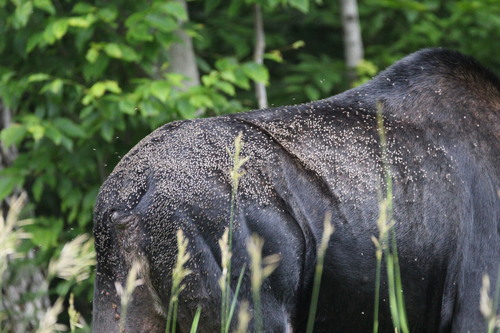
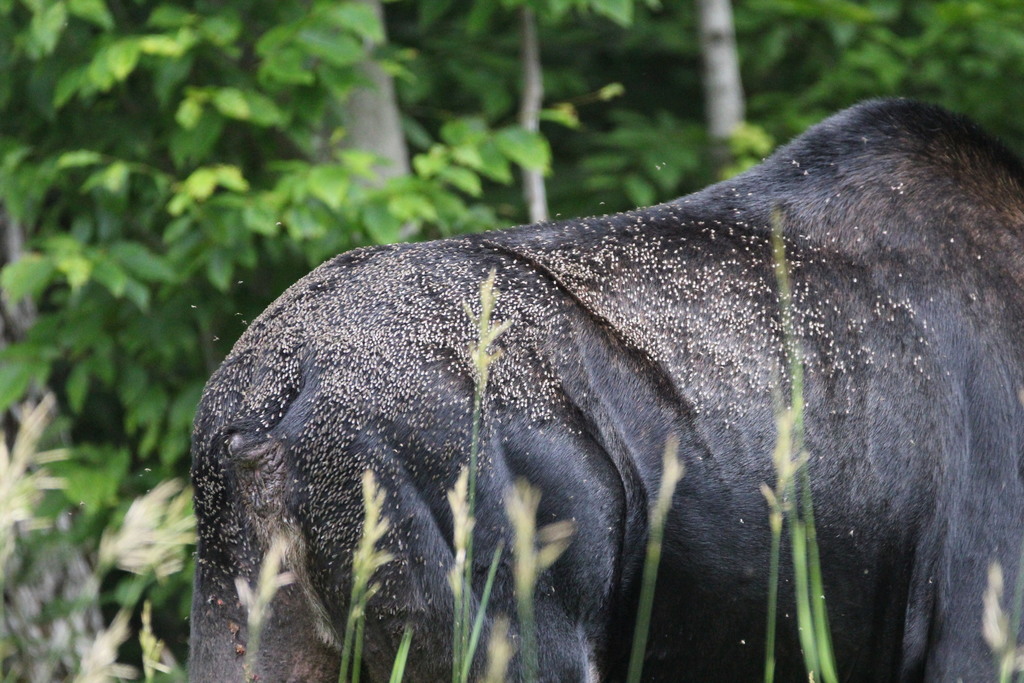 1 / 2
1 / 2—observations
—countries
—peak records
Not EvaluatedConservation statusIUCN Red List categoriesLCNTVUENCREWEXNot Evaluated — not placed on the risk ladderRed List categories, explained →
Diet & prey
- Moose blood
- Moose dung organic matter
Predators
- Insectivorous birds
- Dragonflies
- Robber flies
ThreatsDecline of host populations, pesticide runoff, severe winter weather
HabitatsBoreal forests, montane valleys, subalpine wetlands
Life span3–5 weeks as adult; up to 1 year lifecycle
Classification
- FamilyMuscidae
- SpeciesHaematobosca alcis
Range data is not available yet.
Interaction riskLow
- Low
- Moderate
- High
- Very high
- Why interaction risk is low
- Safe to observe, though their primary moose hosts are large and volatile wild ungulates.
Responsible observation
- Host Spotting: Scan the lower belly and flanks of wild moose through binoculars during midsummer.
- Maintain Distance: Never approach a moose to view feeding flies, as moose charge unpredictably when stressed.
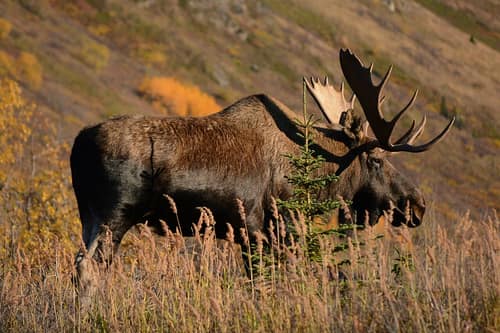
Host Paxson Woelber / CC BY-SA 4.0 · cc-by-sa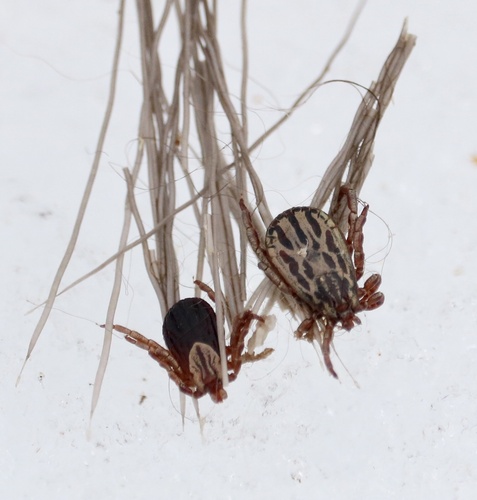
Co-parasite (c) Dustin Snider, certains droits réservés (CC BY), publiées par Dustin Snider · cc-by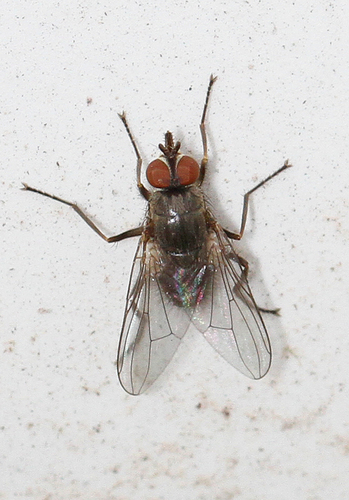
Close Relative (c) Judy Gallagher, some rights reserved (CC BY-SA), uploaded by Judy Gallagher · cc-by-sa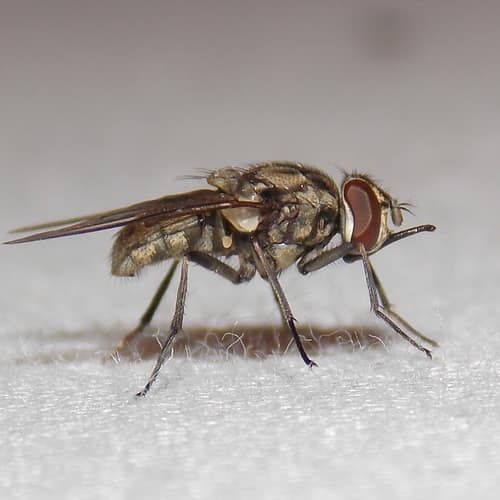
Family Member (c) Fyn Kynd, some rights reserved (CC BY-SA), uploaded by Fyn Kynd · cc-by-sa
Help improve the field guideSomething wrong?
Checking your Fauna account…Report a name, category, or profile issue for review.