
Insect
Tipula trivittata
Tipula trivittataAlso known as Three-striped Crane Fly, Three-banded Crane Fly
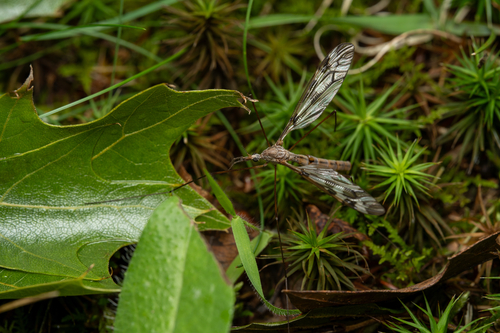
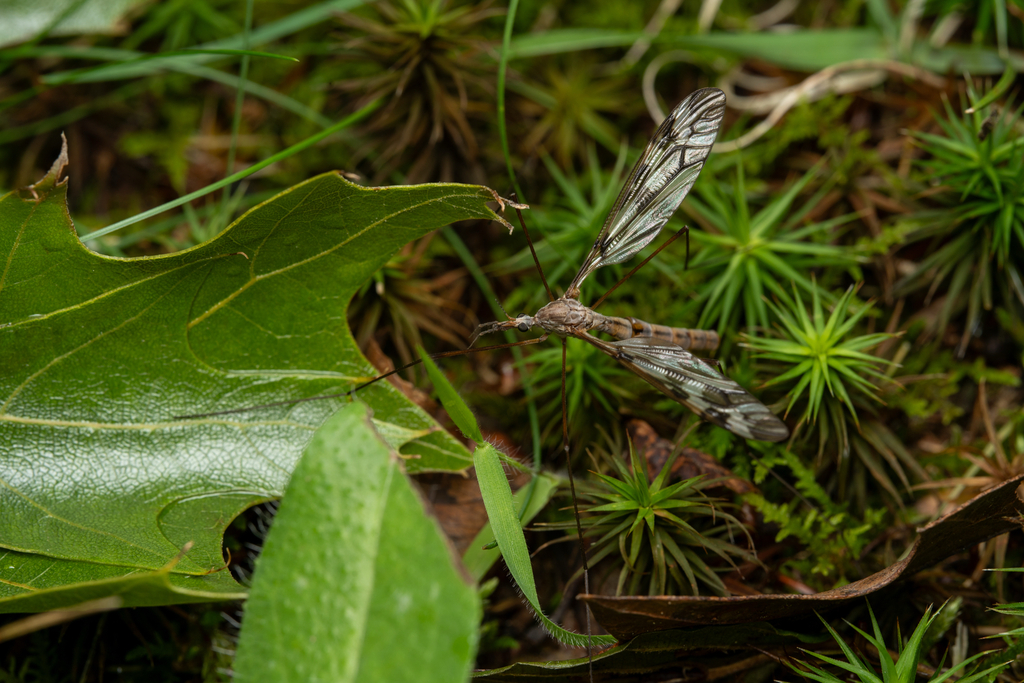
Three-striped crane flies spend most of their life cycles as soil-dwelling larvae, breaking down damp leaf litter and decaying wood on forest floors. Adult flies emerge during spring and summer, using their unusually long, fragile legs to balance on understory leaves and bark. They are weak flyers that play a crucial ecological role by transferring nutrients and serving as abundant prey for forest insectivores.
HarmlessWoodland InsectWeak Flier
—observations
—countries
—peak records
Not EvaluatedConservation statusIUCN Red List categoriesLCNTVUENCREWEXNot Evaluated — not placed on the risk ladderRed List categories, explained →
Diet & preyDecaying leaves, Rotting wood, Fungal hyphae
Predators
- Songbirds
- Bats
- Spiders
ThreatsHabitat loss, forest fragmentation, and broad-spectrum pesticide exposure
HabitatsDeciduous forests, damp woodlands, and stream corridors
Life spanUp to 1 year as larvae; adults live 3 to 10 days
Classification
- OrderDiptera
- FamilyTipulidae
- GenusTipula
- SpeciesTipula trivittata
Range data is not available yet.
Interaction riskLow
- Low
- Moderate
- High
- Very high
- Why interaction risk is low
- Safe to observe at a normal distance.
Responsible observation
- Nighttime viewing: Look for adults gathered near porch lights close to damp woods.
- Gentle observation: Avoid handling because their delicate legs snap off very easily.
Ecological Companion no rights reserved · cc0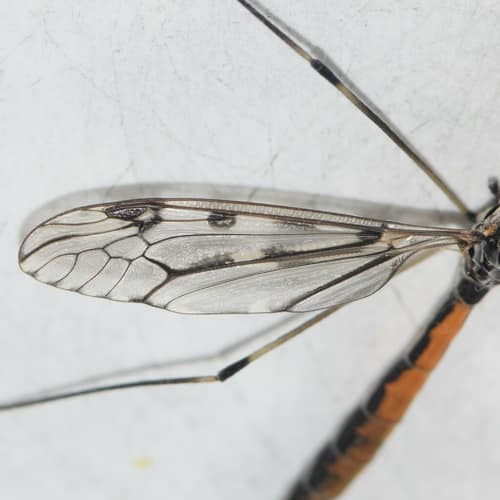
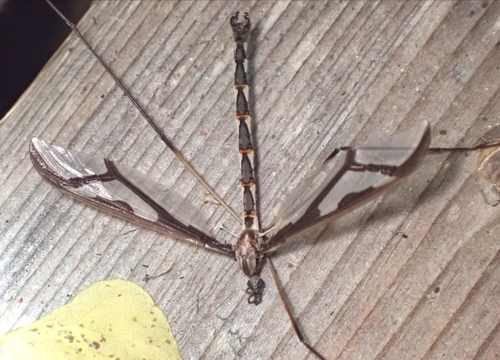
Close Relative (c) Douglas Hooper, some rights reserved (CC BY), uploaded by Douglas Hooper · cc-by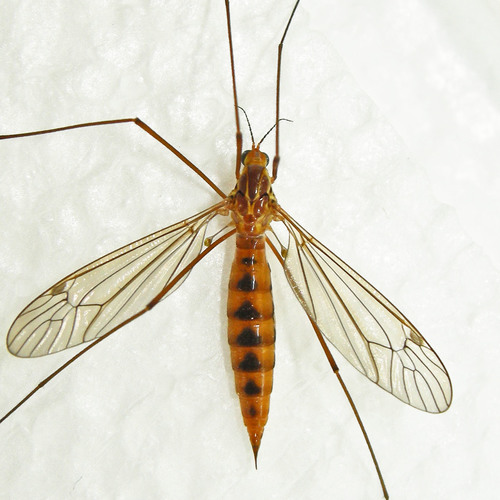
Family Member (c) Bill Keim, some rights reserved (CC BY) · cc-by
Help improve the field guideSomething wrong?
Checking your Fauna account…Report a name, category, or profile issue for review.