
Insect · GBIF taxon 1505603
Giant Crane Fly
Tipula abdominalisAlso known as Giant Tipula
Giant crane flies emerge near shaded streams and woodland seeps during warm months, fluttering clumsily through the understory on delicate, oversized wings. Despite their intimidating mosquito-like appearance, adults are completely harmless and lack mouthparts capable of biting. The aquatic larvae play a crucial ecological role in river ecosystems by shredding fallen leaves into nutrient-rich organic detritus.
HarmlessAquatic LarvaeNight Flying
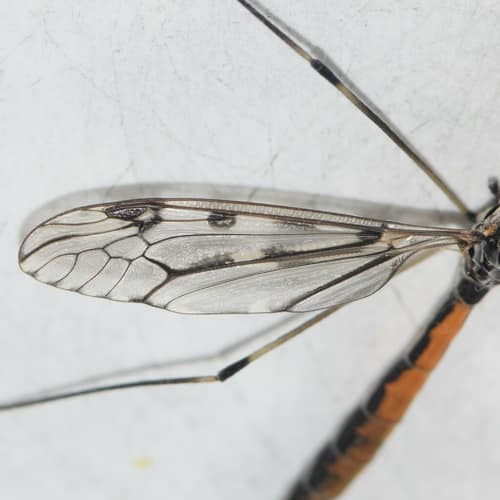
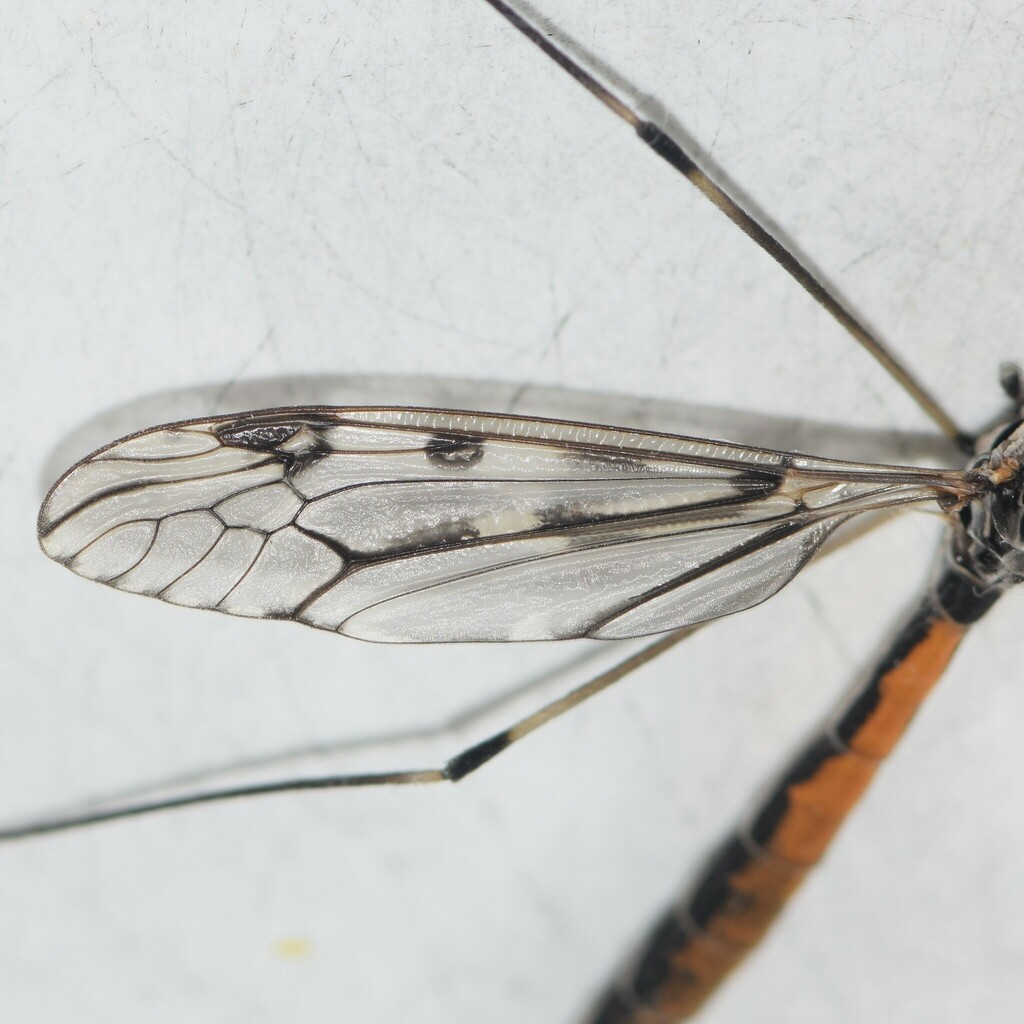 1 / 7
1 / 7—observations
—countries
—peak records
Not EvaluatedConservation statusIUCN Red List categoriesLCNTVUENCREWEXNot Evaluated — not placed on the risk ladderRed List categories, explained →
Diet & prey
- Decaying Leaves
- Aquatic Detritus
- Nectar
Predators
- Songbirds
- Bats
- Orb-weaver Spiders
ThreatsWater pollution, deforestation of riparian zones, and light pollution
HabitatsForest streams, riverbanks, damp woodlands, and suburban gardens
Life spanUp to 1 year total; adults survive only 3 to 7 days
Classification
- OrderDiptera
- FamilyTipulidae
- GenusTipula
- SpeciesTipula abdominalis
Range data is not available yet.
Interaction riskLow
- Low
- Moderate
- High
- Very high
- Why interaction risk is low
- Safe to observe at a normal distance.
Responsible observation
- Nighttime Viewing: Look around outdoor lights in late spring and summer where adults gather.
- Careful Relocation: Scoop up indoors using a cup and card, as their legs detach very easily.
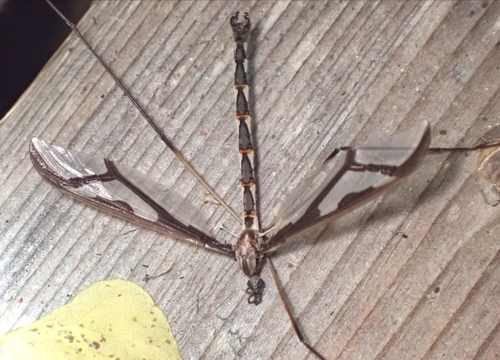
Close Relative no rights reserved · cc0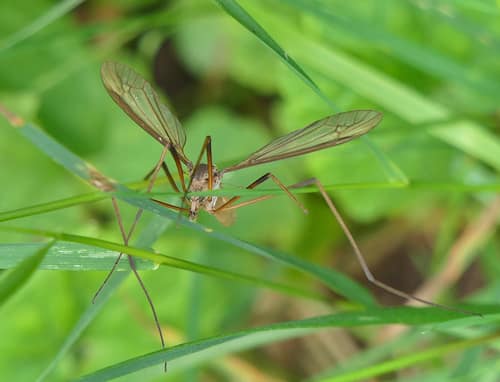
Close Relative no rights reserved · cc0
Help improve the field guideSomething wrong?
Checking your Fauna account…Report a name, category, or profile issue for review.