
Insect · GBIF taxon 1505543
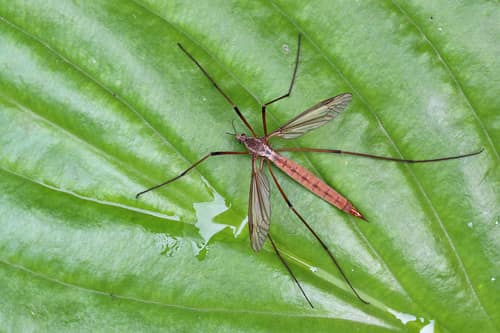
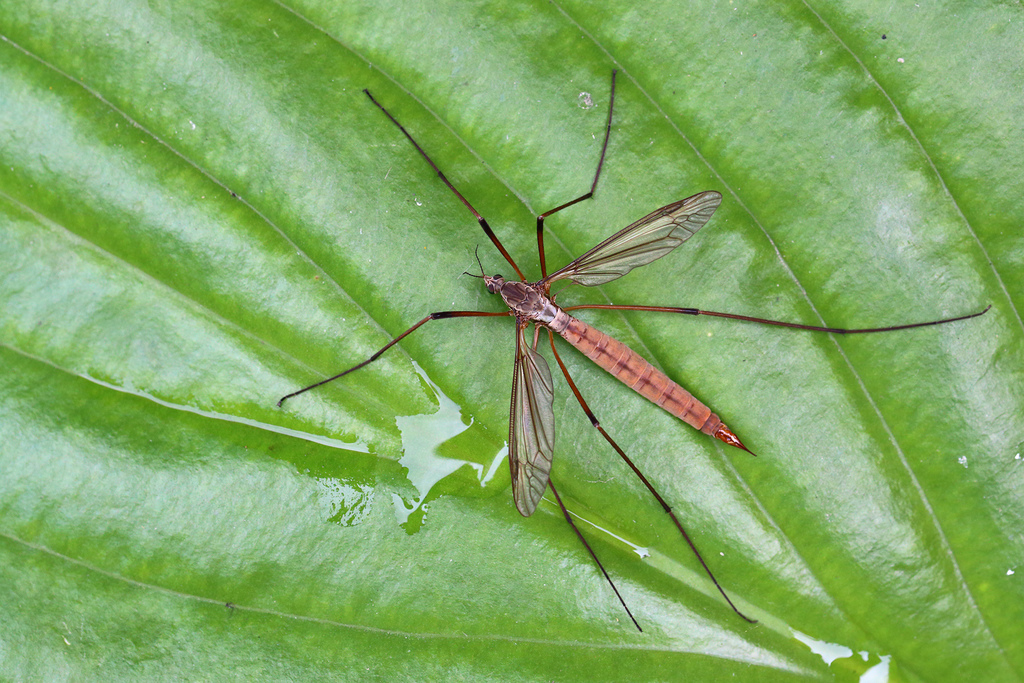
European Crane Fly
Tipula paludosaAlso known as Leatherjacket, Marsh Crane Fly, Common Crane Fly
European crane flies resemble oversized mosquitoes but are entirely harmless nectar-feeders with slender bodies and delicate, spindly legs. Female crane flies deposit hundreds of eggs into moist turf where the tough-skinned larvae, known as leatherjackets, overwinter while chewing on grass roots. Adults emerge en masse during late summer and early autumn, living just a few days to mate while providing a rich seasonal feast for insect-eating birds and bats.
NocturnalTurf PestFlying Insect
—observations
—countries
—peak records
Not EvaluatedConservation statusIUCN Red List categoriesLCNTVUENCREWEXNot Evaluated — not placed on the risk ladderRed List categories, explained →
Diet & prey
- Grass Roots
- Seedlings
- Plant Matter
Predators
- European Starling
- American Robin
- Ground Beetles
ThreatsTargeted pesticide applications and habitat drying
HabitatsLawns, pastures, meadows, turfgrass, moist fields
Life span1–2 weeks (adults); 1 year total life cycle
Size / weightNot available
Classification
- OrderDiptera
- FamilyTipulidae
- GenusTipula
- SpeciesTipula paludosa
Range data is not available yet.
Interaction riskLow
- Low
- Moderate
- High
- Very high
- Why interaction risk is low
- Safe to observe at a normal distance.
Responsible observation
- Night Lights: Turn off porch lights on late-summer evenings to reduce indoor visits.
- Garden Care: Aerate lawn soil and avoid overwatering to discourage larval survival.
- Gentle Rescue: Cup stray indoor adults gently in hands or glasses to release outdoors.
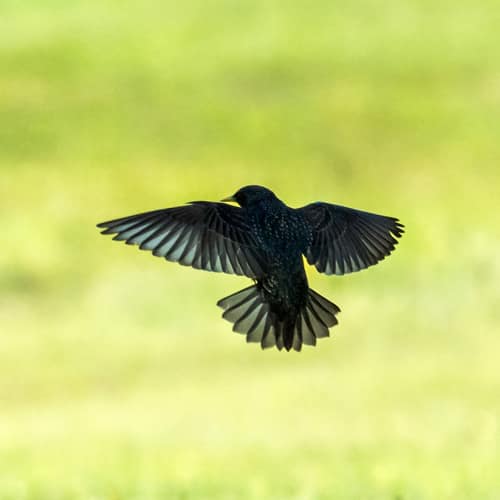
Predator (c) Shiva Shenoy, some rights reserved (CC BY), uploaded by Shiva Shenoy · cc-by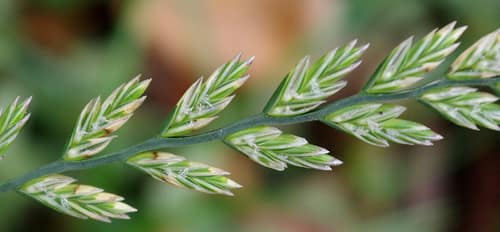
Host Plant (c) Георгий Виноградов (Georgy Vinogradov), some rights reserved (CC BY), uploaded by Георгий Виноградов (Georgy Vinogradov) · cc-by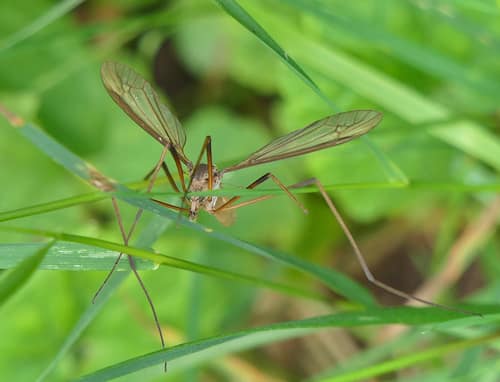
Close Relative no rights reserved · cc0
Help improve the field guideSomething wrong?
Checking your Fauna account…Report a name, category, or profile issue for review.