
Insect
Three-spotted Horse Fly
Tabanus trimaculatusAlso known as Three-spotted Horsefly, Trimaculate Horse Fly
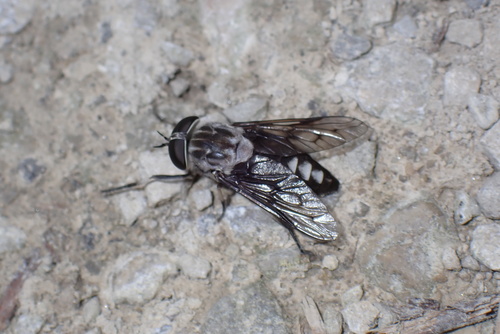
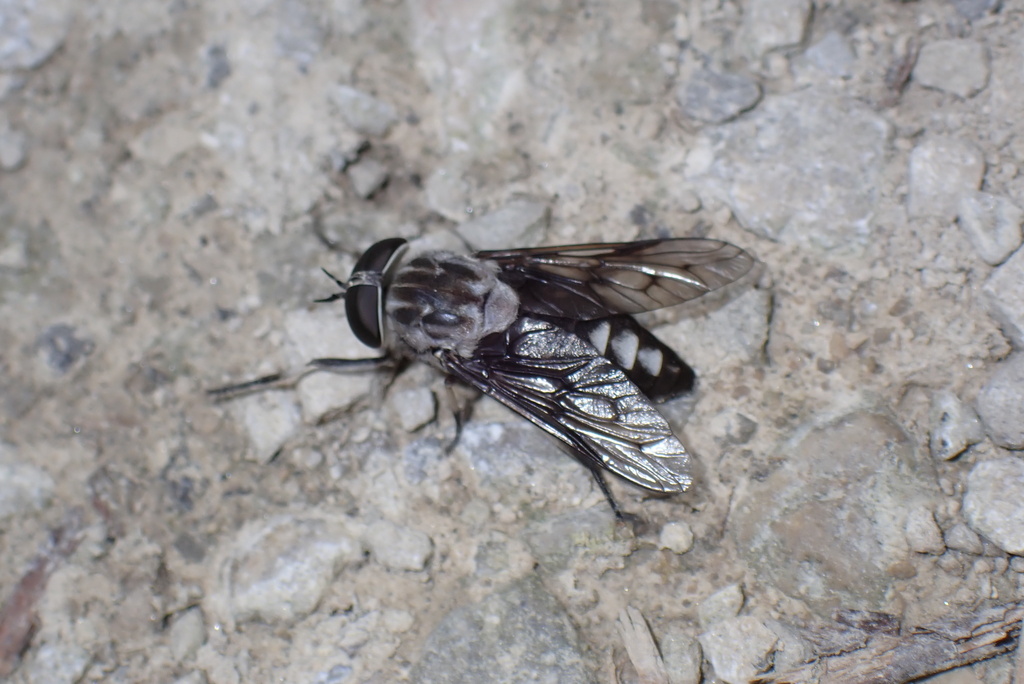
Three-spotted horse flies are robust insects easily identified by the trio of prominent white triangles running down the midline of their dark abdomen. Females use specialized blade-like mouthparts to slice skin for the blood meal necessary to develop eggs, while males feed strictly on nectar and plant juices. Their carnivorous larvae inhabit saturated mud along stream margins and swamp edges where they actively hunt soft-bodied invertebrates.
DiurnalBiting InsectWetland Insect
—observations
—countries
—peak records
Not EvaluatedConservation statusIUCN Red List categoriesLCNTVUENCREWEXNot Evaluated — not placed on the risk ladderRed List categories, explained →
Diet & preyMammal blood, Floral nectar, Insect larvae
Predators
- Dragonflies
- Songbirds
- Orb-weaver spiders
ThreatsWetland drainage, aquatic pollution, and broad-spectrum pesticide application
HabitatsWetlands, stream margins, wet pastures, and moist deciduous woodlands
Life span1 to 2 years (mostly as larvae; adult phase lasts 3 to 4 weeks)
Classification
- OrderDiptera
- FamilyTabanidae
- GenusTabanus
- SpeciesTabanus trimaculatus
Range data is not available yet.
Interaction riskLow
- Low
- Moderate
- High
- Very high
- Why interaction risk is low
- Females deliver a painful bite; wear long sleeves and pants in humid or marshy woods.
- Why it is dangerous
- Females possess blade-like mouthparts that slice skin to ingest blood, causing sharp localized pain and itchy swelling.
- How to recognize a risky encounter
- Look for three distinct white or pale triangular spots along the center of a dark brown to black abdomen.
- What to do
- Avoid approaching swarming individuals near livestock or water, and move away steadily if targeted.
Responsible observation
- Dress defensively: Wear light-colored, loosely fitted long sleeves and pants near wetland habitats.
- Observe resting males: Males gather on sunny leaves near water and pose no bite risk.
- Use insect repellent: Apply EPA-registered repellents containing DEET or Picaridin to deter biting females.
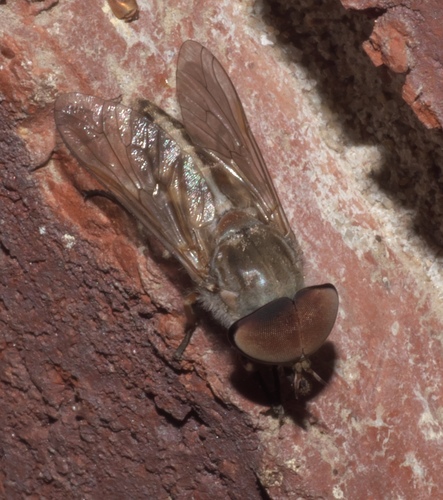
Close Relative (c) Robert Webster, some rights reserved (CC BY-SA), uploaded by Robert Webster · cc-by-sa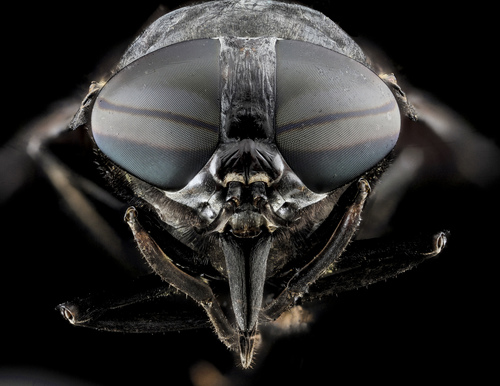
Close Relative no rights reserved, uploaded by USGS Bee Inventory and Monitoring Lab · cc0 Image unavailable
Family Member
Keep collecting in Fauna
Found in Collections
Ecosystem chain Pro
Mystic Meadows
Three-spotted Horse Fly is found in this collection. Identify it in Fauna to fill this slot and continue your progress.
Unlock to track progress
Help improve the field guideSomething wrong?
Checking your Fauna account…Report a name, category, or profile issue for review.