
Insect
Winsome Fly
Istocheta aldrichiAlso known as Japanese Beetle Parasite Fly
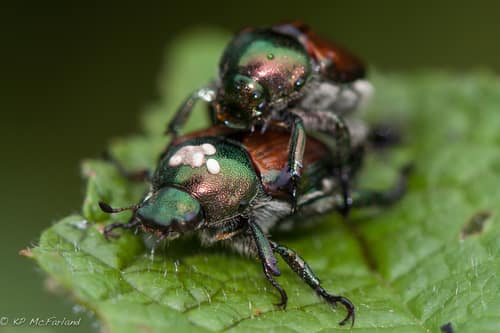
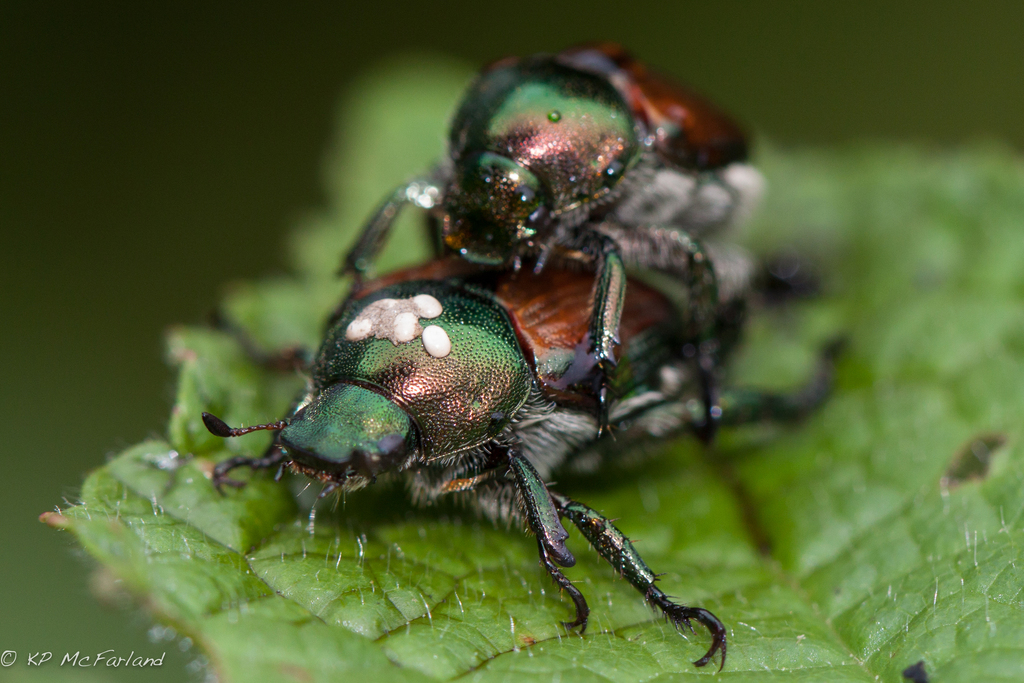
Winsome flies are solitary parasitoid tachinids celebrated as vital allies in controlling invasive garden pests. Females actively hunt adult Japanese beetles, landing swiftly on their backs to cement a single conspicuous white egg directly onto the beetle's pronotum. Within a few days, the maggot burrows into the living beetle, consuming its internal tissues and causing it to burrow underground to die before pupation.
ParasitoidBeneficialIntroduced
—observations
—countries
—peak records
Not EvaluatedConservation statusIUCN Red List categoriesLCNTVUENCREWEXNot Evaluated — not placed on the risk ladderRed List categories, explained →
Diet & preyJapanese beetle, Floral nectar, Aphid honeydew
Predators
- Orb-weaver spiders
- Assassin bugs
- Insectivorous songbirds
ThreatsBroad-spectrum insecticide spraying and climate shifts disrupting host emergence synchrony.
HabitatsAgricultural fields, gardens, orchards, and sunny meadows with beetle hosts.
Life span1–2 months as adults; up to 1 year total life cycle.
Classification
- FamilyTachinidae
- SpeciesIstocheta aldrichi
Range data is not available yet.
Interaction riskLow
- Low
- Moderate
- High
- Very high
- Why interaction risk is low
- Safe to observe at a normal distance.
Responsible observation
- Inspect Beetles: Look closely at Japanese beetles on garden foliage for tiny, oval white eggs on the thorax.
- Plant Nectar Sources: Cultivate small umbel flowers like dill and sweet alyssum to sustain adult flies.
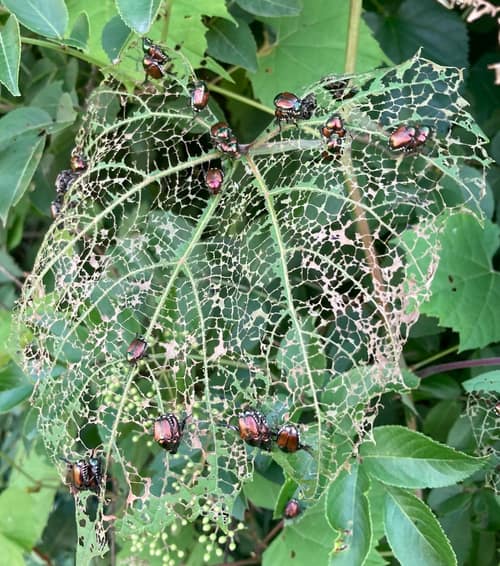
Host no rights reserved, uploaded by bgirardot · cc0 Image unavailable
Biocontrol Ally 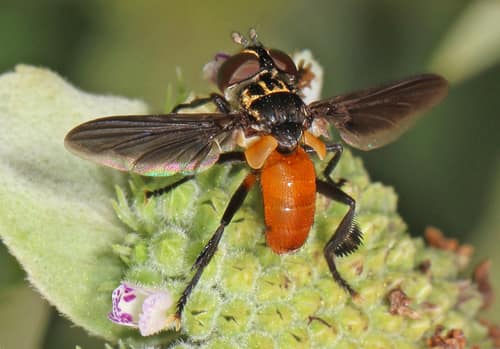
Same Family (c) Judy Gallagher, some rights reserved (CC BY-SA), uploaded by Judy Gallagher · cc-by-sa
Help improve the field guideSomething wrong?
Checking your Fauna account…Report a name, category, or profile issue for review.