
Insect
New Zealand Midge
Chironomus zealandicusAlso known as Common Midge, Non-Biting Midge
Adults gather in massive twilight mating swarms along lake shores and slow-moving waterways, hovering like undulating clouds above marginal vegetation. The bright red, worm-like aquatic larvae produce hemoglobin, allowing them to burrow into poorly oxygenated mud and silty lake beds where they construct tubular silk retreats. They serve as a foundational pillar in freshwater food webs, processing benthic organic waste while nourishing native waterfowl and fish.
EndemicAquatic LarvaSwarming
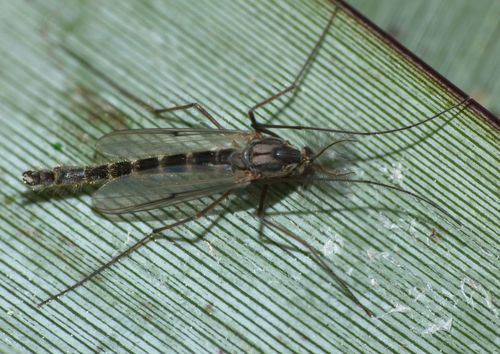
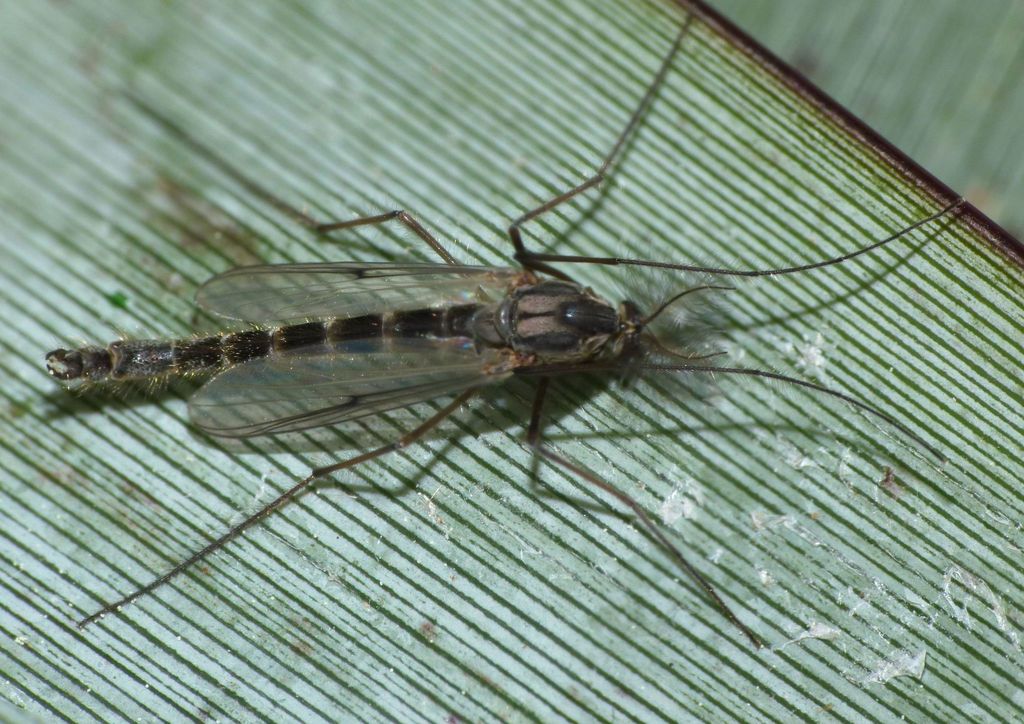
—observations
—countries
—peak records
Not EvaluatedConservation statusIUCN Red List categoriesLCNTVUENCREWEXNot Evaluated — not placed on the risk ladderRed List categories, explained →
Diet & preyFreshwater Algae, Detritus, Aquatic Microbes
Predators
- Inanga
- Grey Duck
- Dragonfly Nymph
ThreatsChemical pollution, aquatic pesticides, and severe wetland habitat loss
HabitatsFreshwater lakes, ponds, slow-flowing rivers, and nutrient-rich wetlands
Life span1–3 months as larvae; adults live only 3–7 days
Classification
- FamilyChironomidae
- SpeciesChironomus zealandicus
Range data is not available yet.
Interaction riskLow
- Low
- Moderate
- High
- Very high
- Why interaction risk is low
- Safe to observe at a normal distance.
Responsible observation
- Look for Swarms: Watch over water margins on warm, still evenings when adults dance in tight aerial columns.
- Inspect the Larvae: Search organic sediment along dock edges to spot the distinctive red bloodworms.
- Distinguish from Mosquitoes: Note that resting midges hold their front legs high and completely lack biting mouthparts.
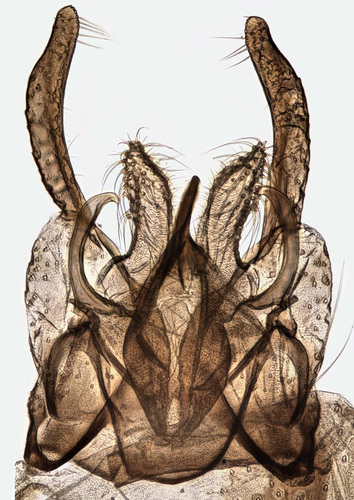
Same Genus (c) Janet Graham, some rights reserved (CC BY) · cc-by Image unavailable
Look-alike 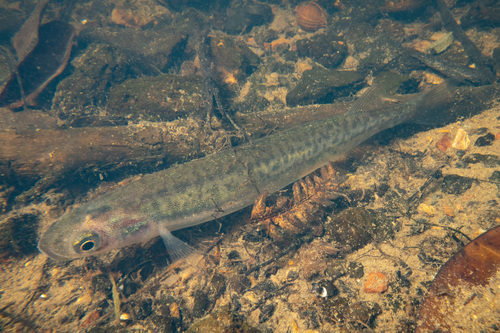
Predator (c) Shaun Lee, some rights reserved (CC BY-SA) · cc-by-sa
Help improve the field guideSomething wrong?
Checking your Fauna account…Report a name, category, or profile issue for review.