
Insect · GBIF taxon 1446616
Antarctic Midge
Belgica antarcticaAlso known as Wingless Antarctic Midge
Antarctic midges spend two full years as larvae buried beneath snow and moss, feeding on algae, decaying organic matter, and penguin guano before emerging for just a few days of adult life. Lacking wings, they crawl along exposed rocks and coastal vegetation, an adaptation that prevents them from being blown into the ocean by fierce polar winds. They survive freezing, extreme dehydration, and high ultraviolet exposure by drying out their tissues and suspending metabolic activity during harsh winter months.
FlightlessExtremophileEndemic
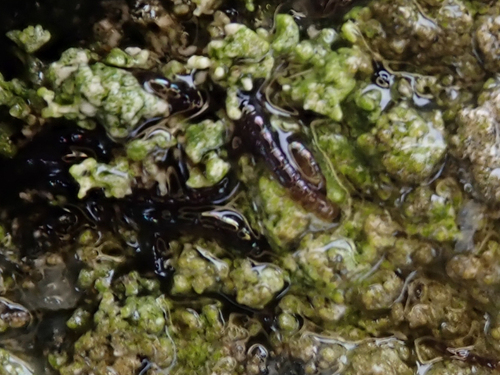
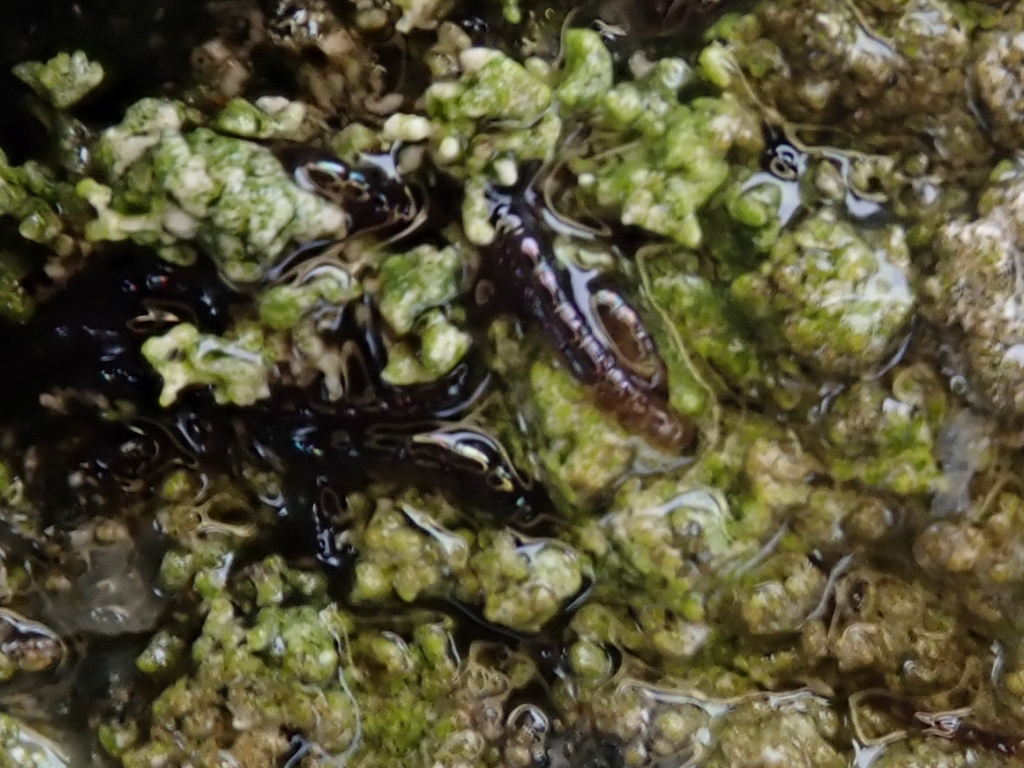
Licensed reference(c) Julien Renoult, some rights reserved (CC BY) · cc-by
—observations
—countries
—peak records
Not EvaluatedConservation statusIUCN Red List categoriesLCNTVUENCREWEXNot Evaluated — not placed on the risk ladderRed List categories, explained →
Diet & prey
- Green algae
- Mosses
- Penguin guano
Predators
- Mites
- Seabirds
ThreatsClimate change, temperature fluctuations, and invasive alien species
HabitatsCoastal rocks, moss turf, and seabird colonies on the Antarctic Peninsula
Life span2 years
Size / weightNot available
Classification
- FamilyChironomidae
- SpeciesBelgica antarctica
Range data is not available yet.
Interaction riskLow
- Low
- Moderate
- High
- Very high
- Why interaction risk is low
- Safe to observe at a normal distance.
Responsible observation
- Habitat Care: Tread carefully on fragile moss beds and lichens where larvae develop.
- Observation: Search damp coastal rocks near penguin colonies during the brief summer months.
 Image unavailable
Polar Relative 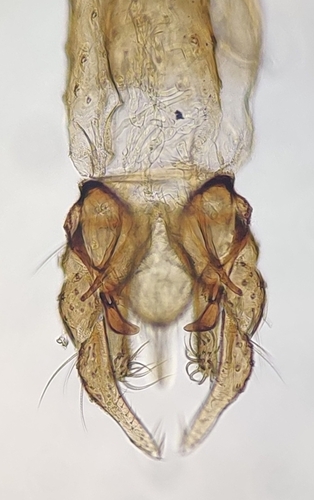
Family Relative (c) Svavar Martin Andreasen, some rights reserved (CC BY), uploaded by Svavar Martin Andreasen · cc-by
Help improve the field guideSomething wrong?
Checking your Fauna account…Report a name, category, or profile issue for review.