
Insect · GBIF taxon 1442758
Pycnopsyche scabripennis
Pycnopsyche scabripennisLarvae of the giant red sedge inhabit swift, cool forested streams across eastern North America, where they construct heavy architectural protective cases from fallen leaves, bark fragments, and mineral grains. Late in the season, mature larvae transition their cases almost exclusively to stone ballast to withstand autumn currents before pupating underwater. Adults emerge in great numbers from late August into October, fluttering through the riparian canopy at dusk and mating before females deposit gelatinous egg masses along damp riverbanks.
FreshwaterNocturnalBioindicator
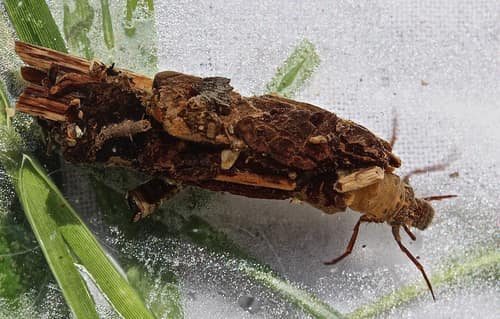
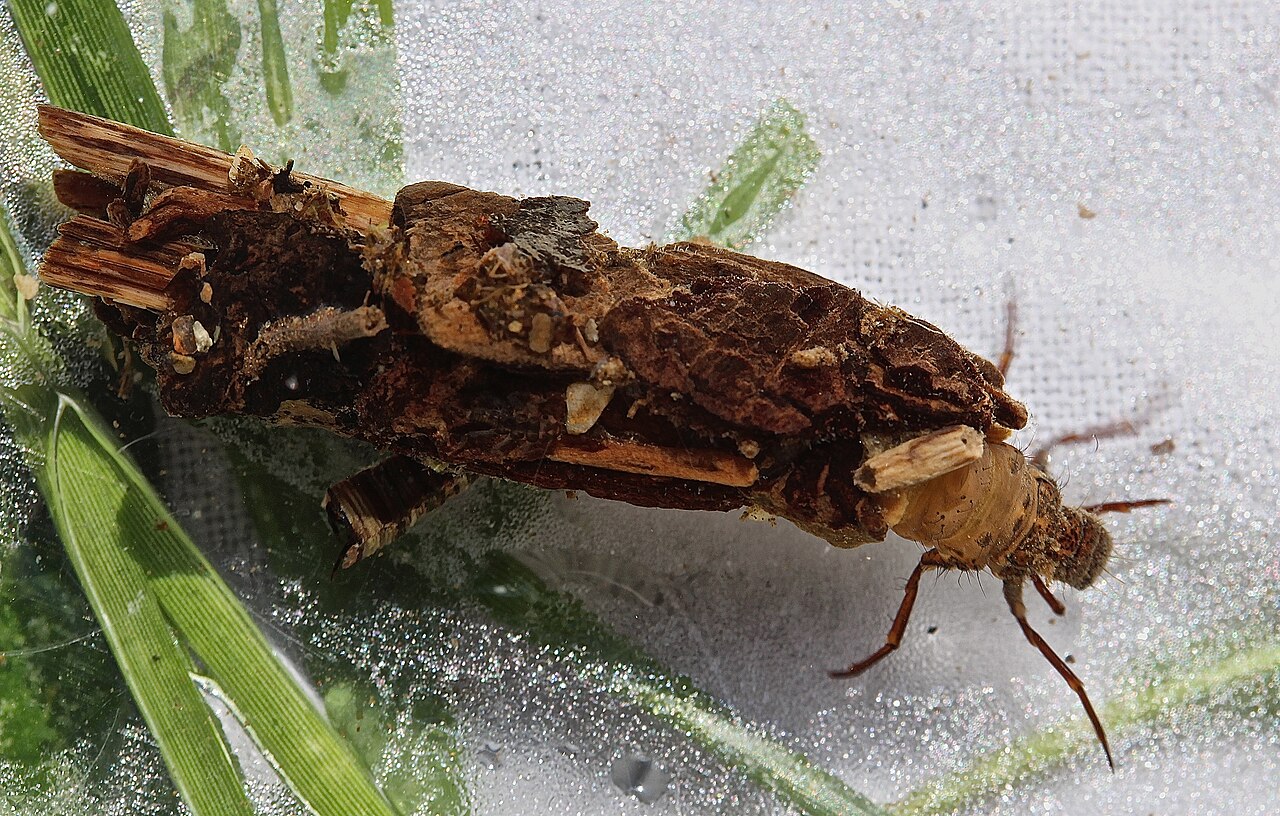
—observations
—countries
—peak records
Not EvaluatedConservation statusIUCN Red List categoriesLCNTVUENCREWEXNot Evaluated — not placed on the risk ladderRed List categories, explained →
Diet & prey
- Decaying hardwood leaf litter
- Aquatic biofilm
- Periphyton
Predators
- Brook Trout
- Little Brown Bat
- Eastern Phoebe
ThreatsDeforestation of riparian zones, stream sedimentation, acid precipitation, and warming waters.
HabitatsCold temperate streams, headwater brooks, and adjacent deciduous riparian woodlands.
Life spanApproximately 1 year, with adults surviving for 3 to 6 weeks.
Size / weightNot available
Classification
- OrderTrichoptera
- FamilyLimnephilidae
- GenusPycnopsyche
- SpeciesPycnopsyche scabripennis
Range data is not available yet.
Interaction riskLow
- Low
- Moderate
- High
- Very high
- Why interaction risk is low
- Safe to observe at a normal distance.
Responsible observation
- Night Lighting: Hang a white sheet illuminated by a light near forested streams in autumn to observe visiting adults.
- Stream Surveying: Examine submerged decaying branch piles in clean headwaters to spot their distinctive flattened leaf cases.
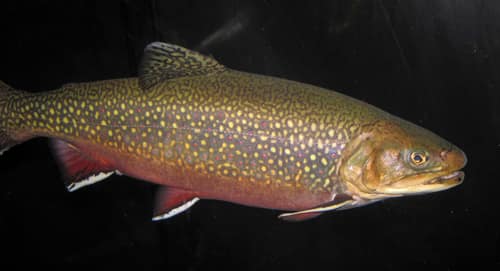
Predator (c) James St. John, some rights reserved (CC BY) · cc-by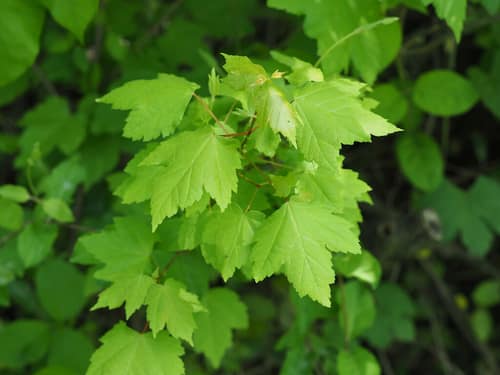
Food Resource no rights reserved, uploaded by mefisher · cc0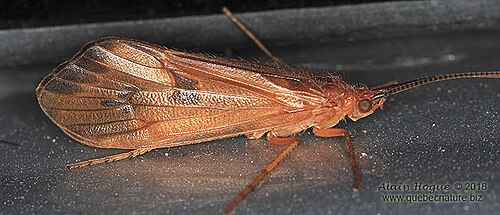
Close Relative Alain Hogue / CC BY-SA 4.0 · cc-by-sa
Help improve the field guideSomething wrong?
Checking your Fauna account…Report a name, category, or profile issue for review.