
Insect
Crimson Marsh Glider
Trithemis auroraAlso known as Crimson Glider
Males display a striking violet-crimson abdomen with crimson wing veins, while females feature an olivaceous brown body with yellowish wing bases. They frequently perch on exposed reeds and vegetation near slow-moving water, darting out to snatch flying prey before returning to the same perch. Aquatic larvae inhabit stream edges and ponds, acting as crucial regulators of mosquito populations before emerging as adults.
DragonflyVibrantFreshwater
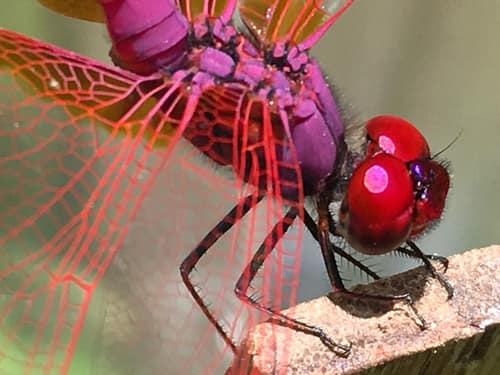
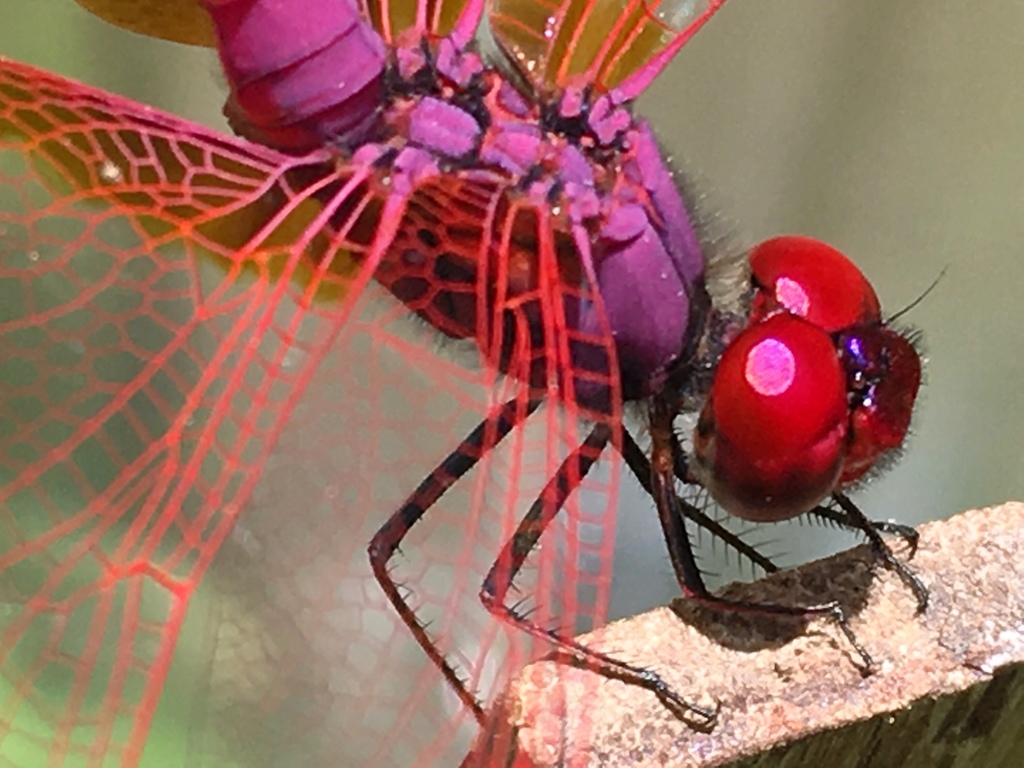
—observations
—countries
—peak records
Least ConcernConservation statusIUCN Red List categoriesLCNTVUENCREWEXLeast ConcernRed List categories, explained →
Diet & preyMosquitoes, Midges, Small flies
Predators
- Birds
- Frogs
- Spiders
ThreatsHabitat loss, water pollution, and pesticide contamination
HabitatsWetlands, marshes, streams, ponds, and paddy fields
Life span1–2 months as adult; up to 1 year including aquatic nymph stage
Classification
- FamilyLibellulidae
- SpeciesTrithemis aurora
Range data is not available yet.
Interaction riskLow
- Low
- Moderate
- High
- Very high
- Why interaction risk is low
- Safe to observe at a normal distance.
Responsible observation
- Best Viewing Time: Look for perching males on sunny mornings near open water bodies.
- Approach Strategy: Move slowly along water margins without casting a shadow across their perches.
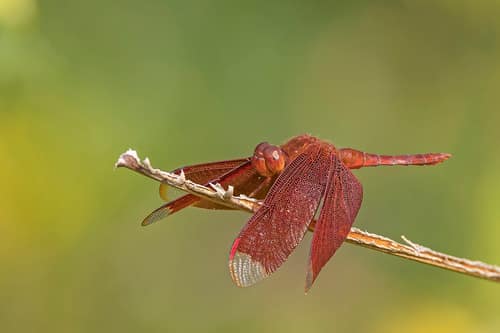
Co-occurring Skimmer Charles J. Sharp / CC BY-SA 4.0 · cc-by-sa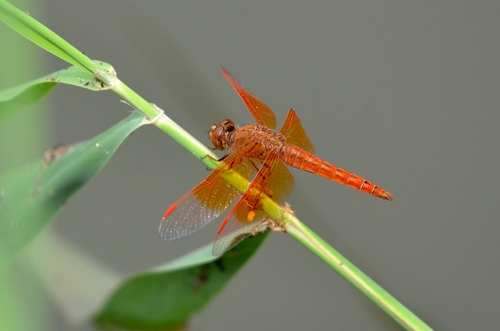
Habitat Competitor (c) Zinogre, some rights reserved (CC BY-SA), uploaded by Zinogre · cc-by-sa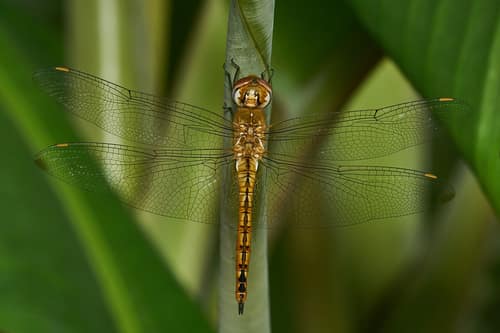
Fellow Skimmer Jeevan Jose, Kerala, India / CC BY-SA 4.0 · cc-by-sa Image unavailable
Close Relative
Help improve the field guideSomething wrong?
Checking your Fauna account…Report a name, category, or profile issue for review.