
Insect
Vagrant Darter
Sympetrum vulgatumAlso known as Moustached Darter
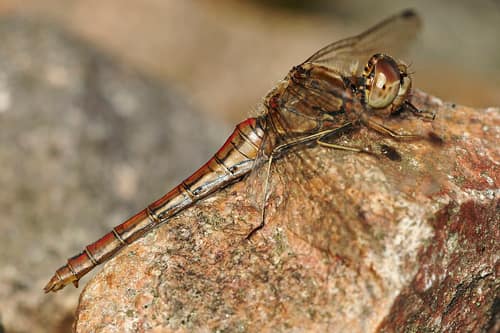
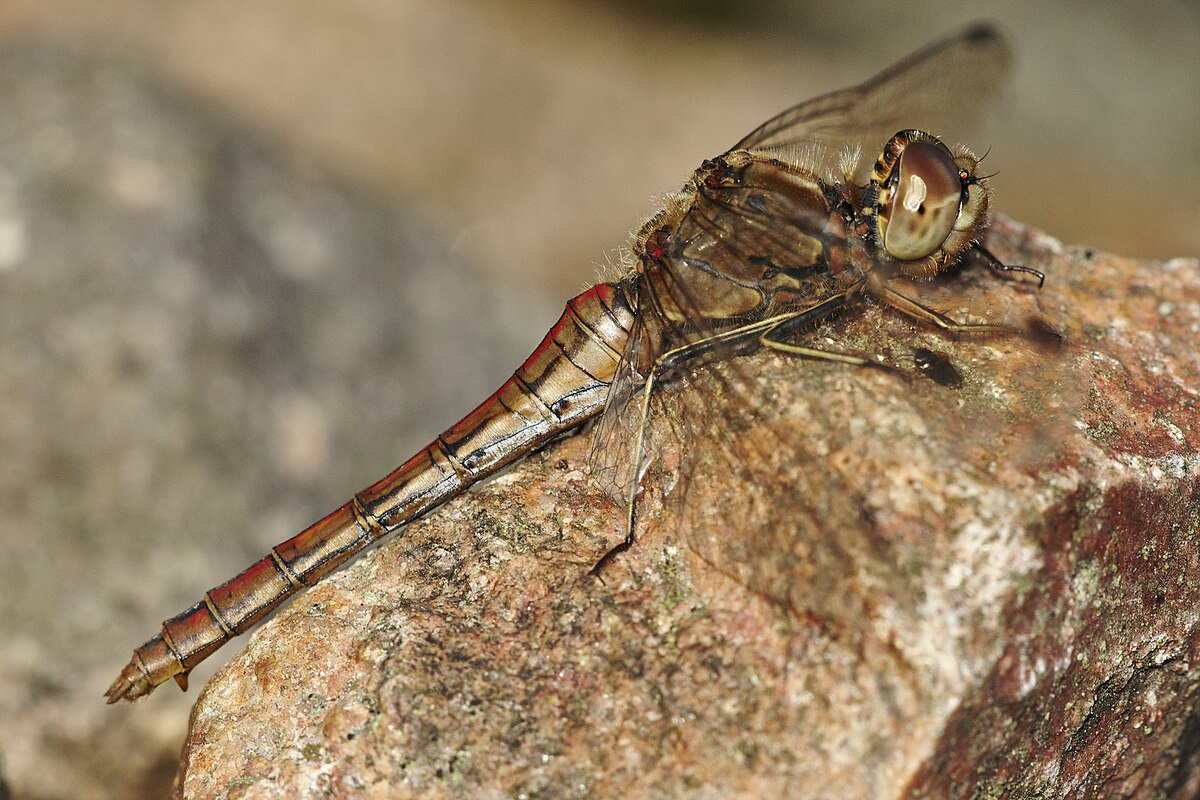
Vagrant darters spend warm late summer and autumn afternoons perched on exposed stones, fences, or low vegetation, darting into the air to ambush passing midges before returning to the exact same resting spot. Distinctive black facial stripes run down along the sides of the eyes like a moustache, separating them from closely matching relatives. Pairs often fly in tandem while ovipositing, dipping their abdomen tips rhythmically into vegetated shallows to release eggs.
DragonflyWetlandPredatory
—observations
—countries
—peak records
Least ConcernConservation statusIUCN Red List categoriesLCNTVUENCREWEXLeast ConcernRed List categories, explained →
Diet & preyMidges, Mosquitoes, Flies
Predators
- Insectivorous birds
- Frogs
- Spiders
ThreatsWetland drainage, agricultural pesticide runoff, and climate-induced drought
HabitatsStill and slow-moving freshwaters such as ponds, lakes, ditches, and adjacent meadows
Life span1–2 years (mostly as aquatic nymphs; adults live 1–3 months)
Classification
- OrderOdonata
- FamilyLibellulidae
- GenusSympetrum
- SpeciesSympetrum vulgatum
Range data is not available yet.
Interaction riskLow
- Low
- Moderate
- High
- Very high
- Why interaction risk is low
- Safe to observe at a normal distance.
Responsible observation
- Perch Patience: Approach slowly when an individual takes flight, as darters routinely return to the exact same sunny perch within seconds.
- Binocular Inspection: Focus optics on the frons to check if the black bar extends downward along the eye margins, confirming its identity.
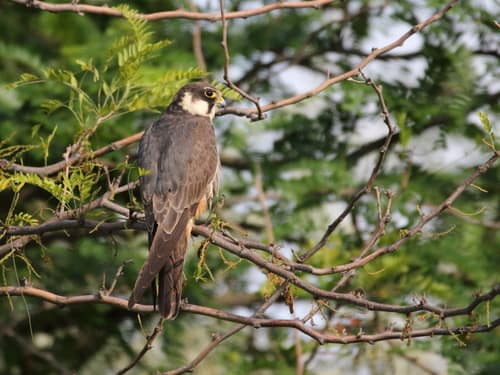
Predator (c) Ani Sarkisyan, some rights reserved (CC BY), uploaded by Ani Sarkisyan · cc-by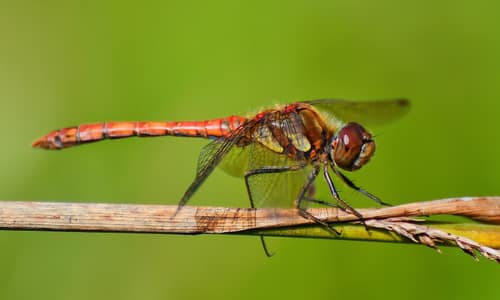
Close Relative (c) Frank Sengpiel, some rights reserved (CC BY), uploaded by Frank Sengpiel · cc-by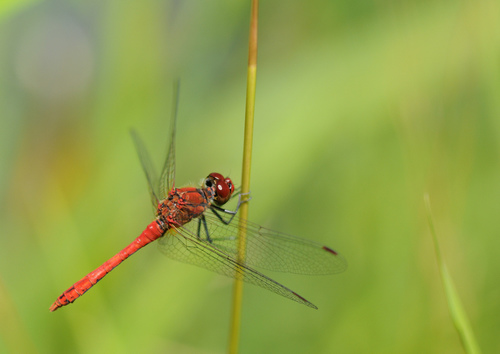
Close Relative (c) Thomas Bresson, some rights reserved (CC BY) · cc-by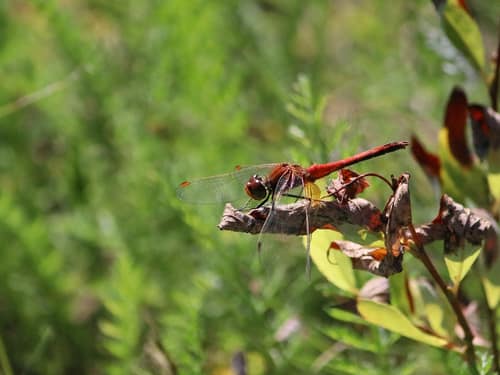
Close Relative no rights reserved · cc0
Keep collecting in Fauna
Found in Collections
Ecosystem chain
Wetland Territory
Vagrant Darter is found in this collection. Identify it in Fauna to fill this slot and continue your progress.
—/12
Help improve the field guideSomething wrong?
Checking your Fauna account…Report a name, category, or profile issue for review.