
Insect · GBIF taxon 1427883
Broad-bodied Chaser
Libellula depressaAlso known as Broad-bodied Darter
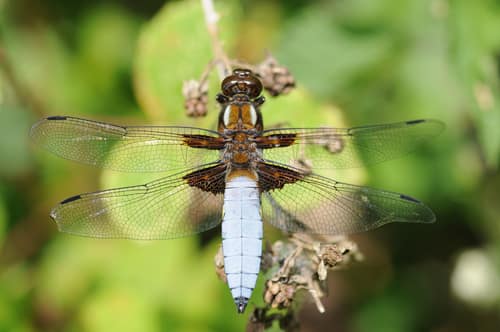
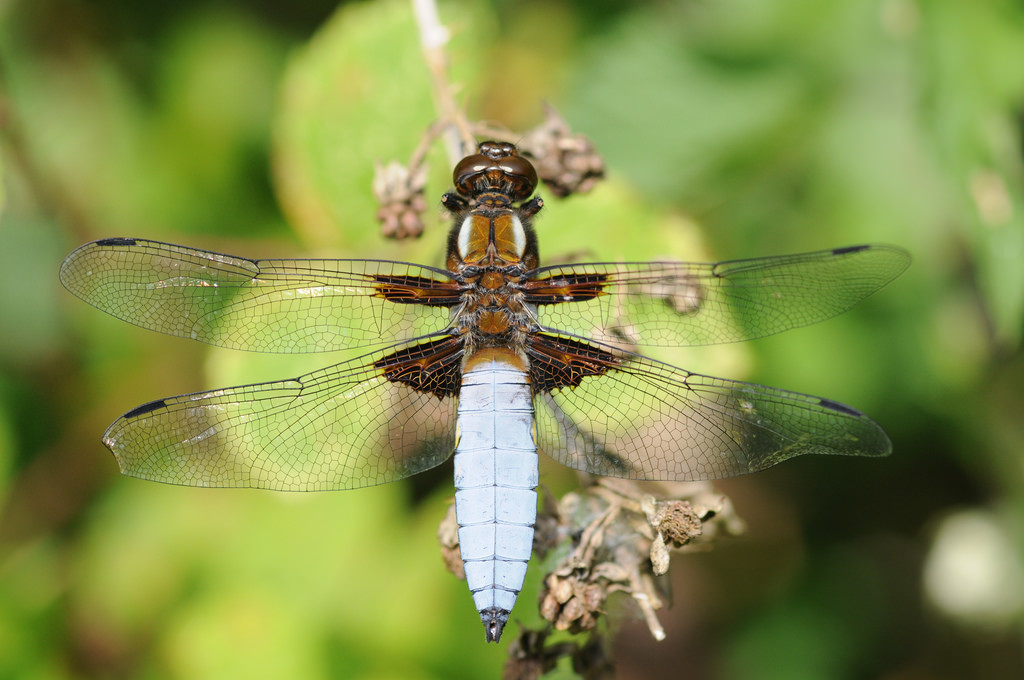
Broad-bodied chasers are aggressive aerial predators that readily colonize newly dug ponds and quiet wetland margins. Males defend sunny perches along the water edge, darting out in high-speed pursuit of passing insects before returning to the exact same stem. Their strikingly broad, flattened abdomens and prominent dark patches at the base of all four wings easily distinguish them from other European dragonflies.
InsectPredatorFreshwater
—observations
—countries
—peak records
Least ConcernConservation statusIUCN Red List categoriesLCNTVUENCREWEXLeast ConcernRed List categories, explained →
Diet & prey
- Flies
- Mosquitoes
- Midges
Predators
- Birds
- Frogs
- Spiders
ThreatsWetland loss, pesticide runoff, aquatic vegetation clearing
HabitatsPonds, garden pools, gravel pits, slow streams
Life span1–2 years (1–2 months as adult)
Size / weightNot available
Classification
- OrderOdonata
- FamilyLibellulidae
- GenusLibellula
- SpeciesLibellula depressa
Range data is not available yet.
Interaction riskLow
- Low
- Moderate
- High
- Very high
- Why interaction risk is low
- Safe to observe at a normal distance.
Responsible observation
- Pond Watching: Scan sunlit perches like reeds or sticks near water margins where males routinely return after short territorial flights.
- Approach Slowly: Move calmly without sudden gestures to get close-up photographs while they rest on vegetation.
- Identify Sex: Look for powdery light-blue abdomens on mature males, contrasting with golden-brown females and juveniles.
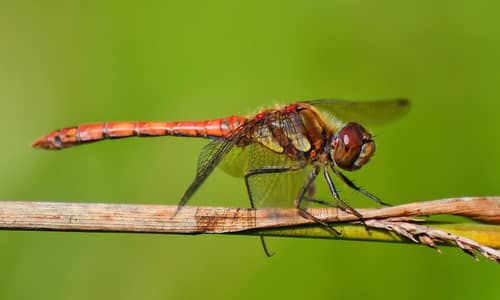
Competitor (c) Frank Sengpiel, some rights reserved (CC BY), uploaded by Frank Sengpiel · cc-by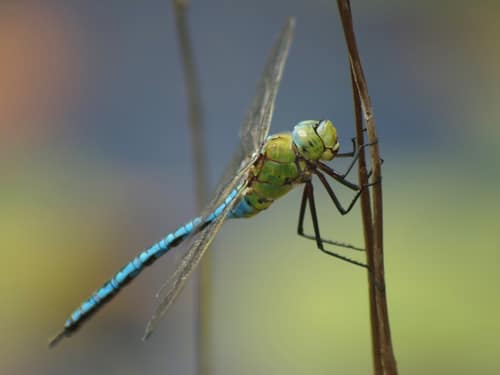
Competitor (c) Ludivine Lamare, some rights reserved (CC BY), uploaded by Ludivine Lamare · cc-by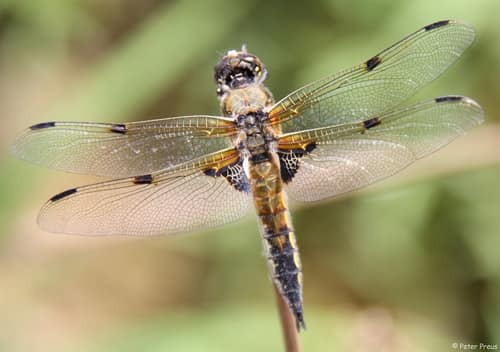
Close Relative (c) Peter Preus, some rights reserved (CC BY), uploaded by Peter Preus · cc-by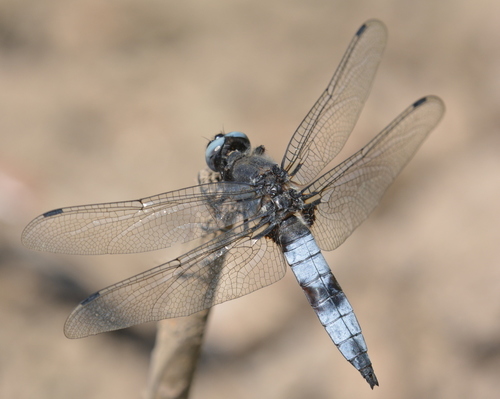
Close Relative no rights reserved, uploaded by Simon Tonge · cc0
Keep collecting in Fauna
Found in Collections
Ecosystem chain
Wetland Territory
Broad-bodied Chaser is found in this collection. Identify it in Fauna to fill this slot and continue your progress.
—/12
Help improve the field guideSomething wrong?
Checking your Fauna account…Report a name, category, or profile issue for review.