
Insect
Ancient Greenling
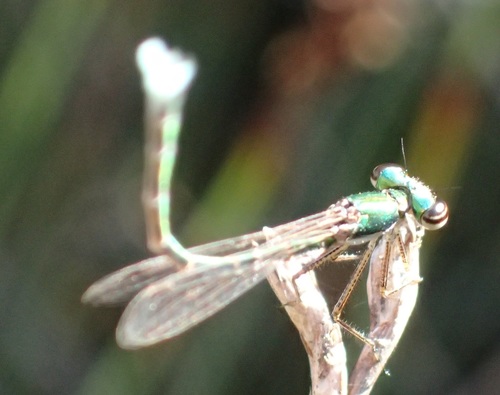
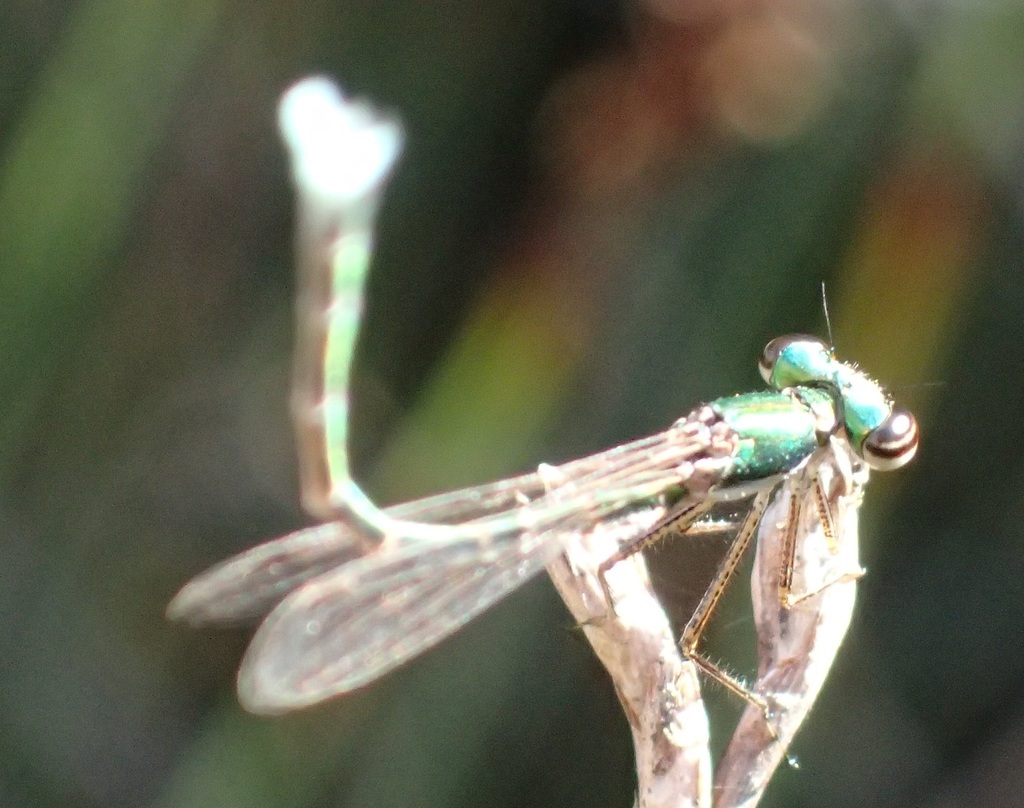
Hemiphlebia mirabilisAncient greenlings are tiny, primitive damselflies renowned for retaining skeletal and wing features largely unchanged since the Jurassic period. Adults exhibit a curious abdominal flicking display, curling and waving their prominent white tail appendages to signal mates or deter rivals among dense reed beds. Weak fliers by nature, they rarely venture into open air, spending their lives threading through emergent vegetation in temporary or shallow wetland depressions.
Living FossilWetland SpecialistMetallic
—observations
—countries
—peak records
Near ThreatenedConservation statusIUCN Red List categoriesLCNTVUENCREWEXNear ThreatenedRed List categories, explained →
Diet & preyMidges, Mosquitoes, Aphids
Predators
- Orb-weaver spiders
- Wetland frogs
- Larger dragonflies
ThreatsWetland drainage, altered fire regimes, grazing impacts, and climate change drying out habitats
HabitatsDense, shallow freshwater wetlands, ephemeral swamps, and sedge-lined lagoons
Life spanAround 1 year (mostly spent in the aquatic larval stage)
Classification
- FamilyHemiphlebiidae
- SpeciesHemiphlebia mirabilis
Range data is not available yet.
Interaction riskLow
- Low
- Moderate
- High
- Very high
- Why interaction risk is low
- Harmless to humans; safe to observe at a normal distance.
- What to notice
- Recognizable by its metallic green body, minuscule size, and prominent white ribbon-like appendages at the abdominal tip.
- Support conservation
- Remain on established tracks or boardwalks to avoid trampling sensitive swamp vegetation and muddy larval microhabitats.
Responsible observation
- Search technique: Scan low among dense stands of twig-rushes and swamp paperbarks on calm, sunny mornings.
- Watching displays: Watch for bright white abdominal tips wagging upward against the green stems.
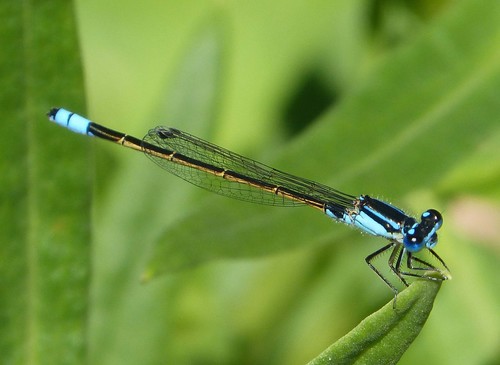
Competitor (c) gailhampshire, some rights reserved (CC BY) · cc-by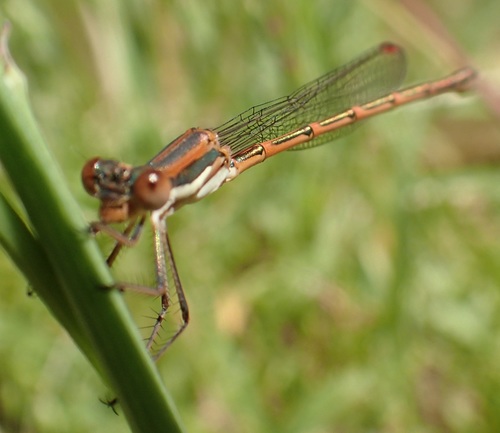
Neighbor no rights reserved · cc0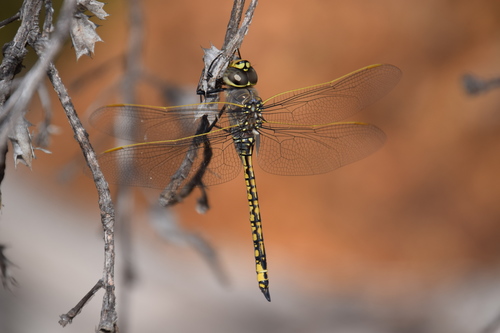
Predator (c) Thomas Mesaglio, some rights reserved (CC BY), uploaded by Thomas Mesaglio · cc-by
Help improve the field guideSomething wrong?
Checking your Fauna account…Report a name, category, or profile issue for review.