
Insect · GBIF taxon 1425221
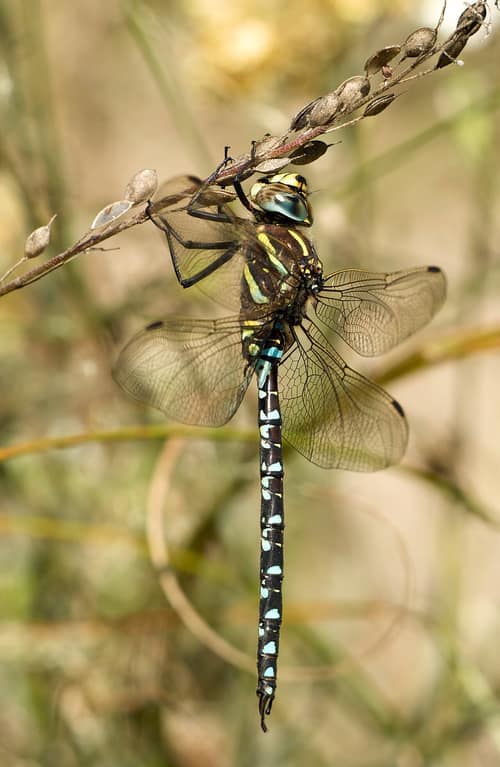
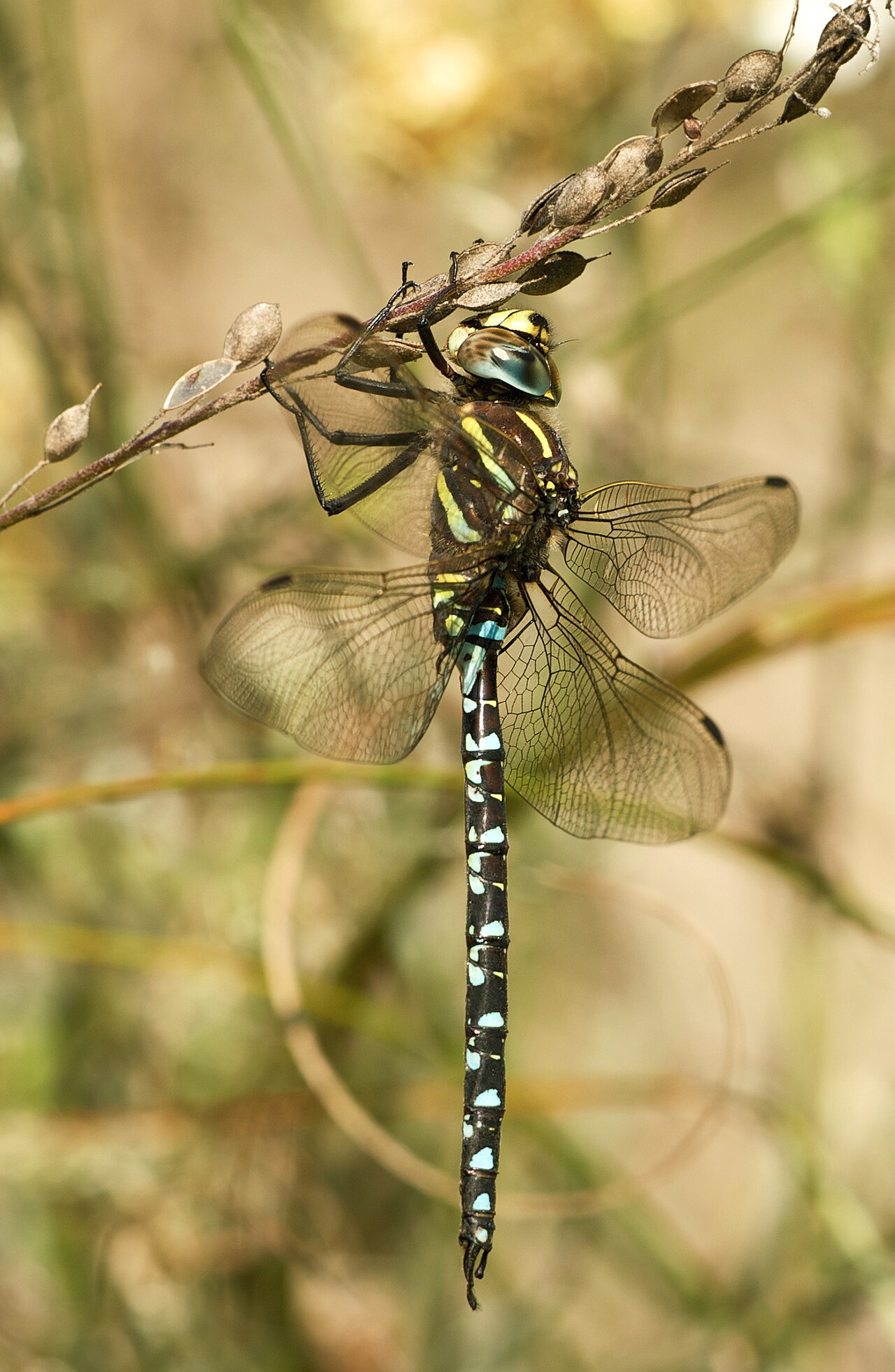
Sedge Darner
Aeshna junceaAlso known as Common Hawker, Moorland Hawker
Sedge darners patrol open water bodies across northern peatlands and taiga, maintaining regular, rhythmic flight beats while hunting flying insects on the wing. Females display a remarkable defensive tactic known as thanatosis, dropping dramatically from the sky into dense heather or moss to feign death and deter persistent suitors. Nymphs spend multiple cold winters stalking aquatic invertebrates beneath the ice of acidic pools before emerging in early summer.
WetlandAerial HunterHigh Latitude
—observations
—countries
—peak records
Least ConcernConservation statusIUCN Red List categoriesLCNTVUENCREWEXLeast ConcernRed List categories, explained →
Diet & prey
- Midges
- Mosquitoes
- Damselflies
Predators
- Eurasian Hobby
- Frogs
- Trout
ThreatsPeatland destruction, wetland drainage, and climate-driven drying of alpine pools
HabitatsAcidic peat bogs, moorlands, boreal forest pools, and alpine tarns
Life spanAdults 2–3 months; larval stage 2–4 years
Size / weightNot available
Classification
- FamilyAeshnidae
- SpeciesAeshna juncea
Range data is not available yet.
Interaction riskLow
- Low
- Moderate
- High
- Very high
- Why interaction risk is low
- Safe to observe at a normal distance.
Responsible observation
- Sunny Margins: Stand quietly beside sheltered bog pools on warm afternoons where males patrol predictable beats.
- Binocular Viewing: Inspect vertical tree trunks and low heather with close-focus optics to view resting individuals.
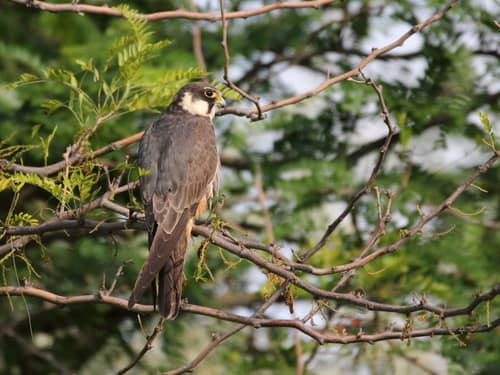
Predator (c) Ani Sarkisyan, some rights reserved (CC BY), uploaded by Ani Sarkisyan · cc-by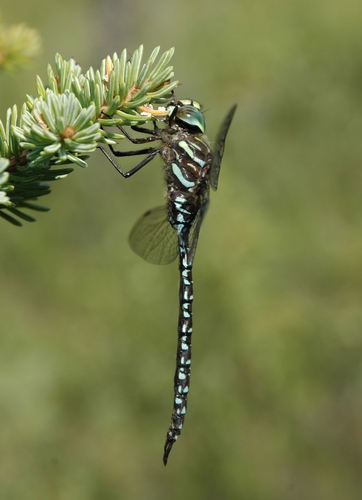
Close Relative (c) Syd Cannings, some rights reserved (CC BY), uploaded by Syd Cannings · cc-by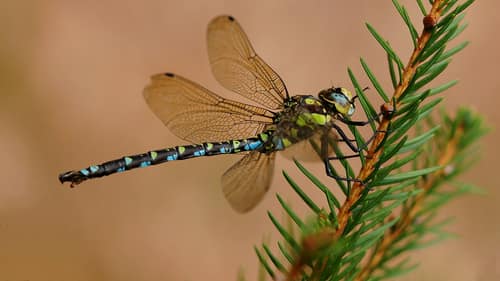
Close Relative Ebertakis / CC BY-SA 3.0 · cc-by-sa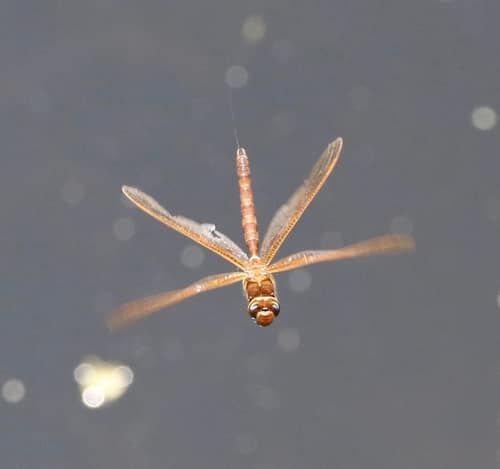
Close Relative (c) Jerry Lanfear, some rights reserved (CC BY), uploaded by Jerry Lanfear · cc-by
Help improve the field guideSomething wrong?
Checking your Fauna account…Report a name, category, or profile issue for review.