
Insect · GBIF taxon 1424980
California Darner
Rhionaeschna californicaCalifornia darners are among the earliest darners to emerge in spring, often patrolling sunny clearings and pond edges long before other large dragonflies appear. Males are striking with vivid blue eyes, pale blue thoracic stripes, and bright blue spots along a dark abdomen. Females display brownish or pale green markings, spending their adult lives hunting flying insects and depositing eggs into submerged aquatic vegetation.
Aquatic PredatorEarly EmergerFast Flyer
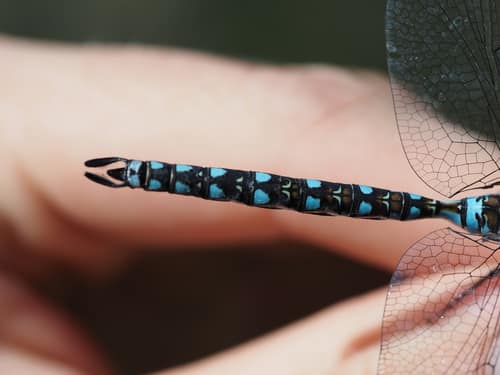
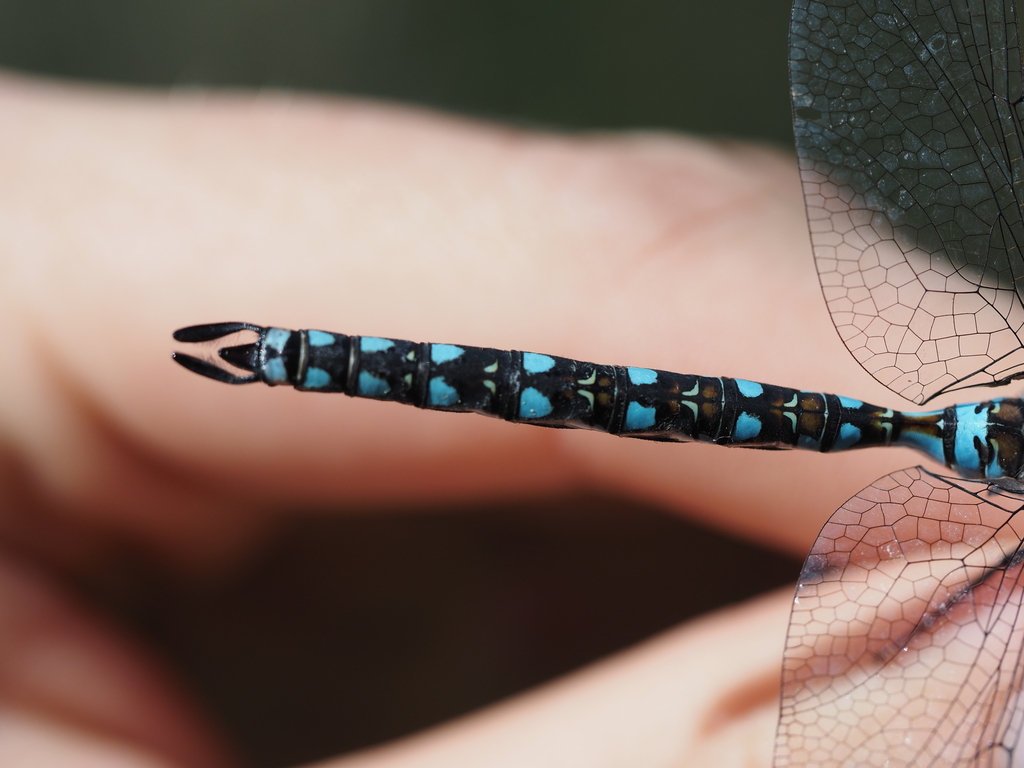 1 / 7
1 / 7—observations
—countries
—peak records
Least ConcernConservation statusIUCN Red List categoriesLCNTVUENCREWEXLeast ConcernRed List categories, explained →
Diet & prey
- Mosquitoes
- Midges
- Small Flying Insects
Predators
- Insectivorous Birds
- Frogs and Toads
- Spiders
ThreatsWetland destruction, water pollution, and pesticide runoff
HabitatsLakes, ponds, marshes, alkaline wetlands, and slow stream pools
Life span1 to 2 years (mostly spent as aquatic nymph)
Size / weightNot available
Classification
- FamilyAeshnidae
- SpeciesRhionaeschna californica
Range data is not available yet.
Interaction riskLow
- Low
- Moderate
- High
- Very high
- Why interaction risk is low
- Safe to observe at a normal distance.
Responsible observation
- Spring Timing: Search around quiet pond edges and marshes in spring when adults first emerge.
- Perching Habits: Look for them resting vertically on tall reeds or sunny tree trunks nearby.
- Binocular Viewing: Use close-focusing binoculars to admire the male's striking blue eyes without startling them.
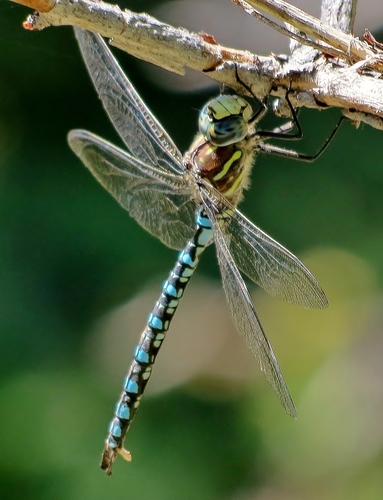
Competitor (c) Paul Bedell, some rights reserved (CC BY-SA), uploaded by Paul Bedell · cc-by-sa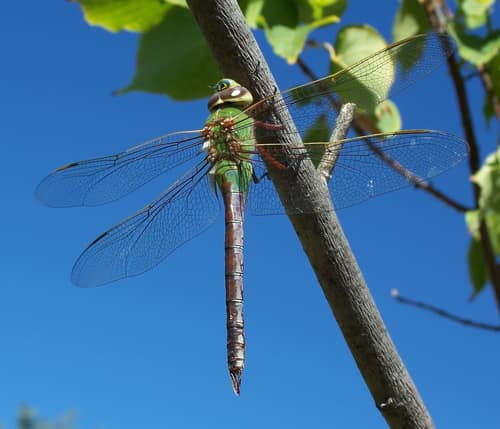
Co-occurring Darner (c) Eugene Zelenko, some rights reserved (CC BY-SA) · cc-by-sa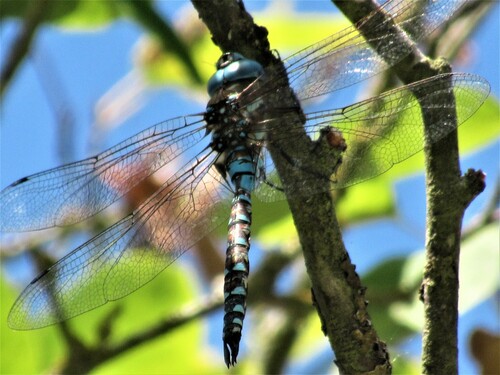
Close Relative (c) sprcrkwild, some rights reserved (CC BY) · cc-by
Help improve the field guideSomething wrong?
Checking your Fauna account…Report a name, category, or profile issue for review.