
Insect · GBIF taxon 1422077
Orangeblack Hawaiian Damselfly
Megalagrion xanthomelasAlso known as Orange-black Hawaiian Damselfly, Yellow-winged Hawaiian Damselfly
Orangeblack Hawaiian damselflies patrol calm lowland streams and coastal anchialine ponds across the Hawaiian archipelago. Male damselflies establish small territories on overhanging vegetation, darting out to snatch midges and mosquitoes mid-flight. Introduced aquatic predators like mosquitofish severely impact their aquatic nymphs, restricting surviving populations to isolated microhabitats.
EndemicAquatic
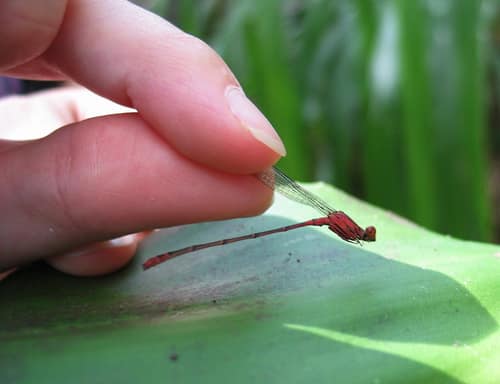
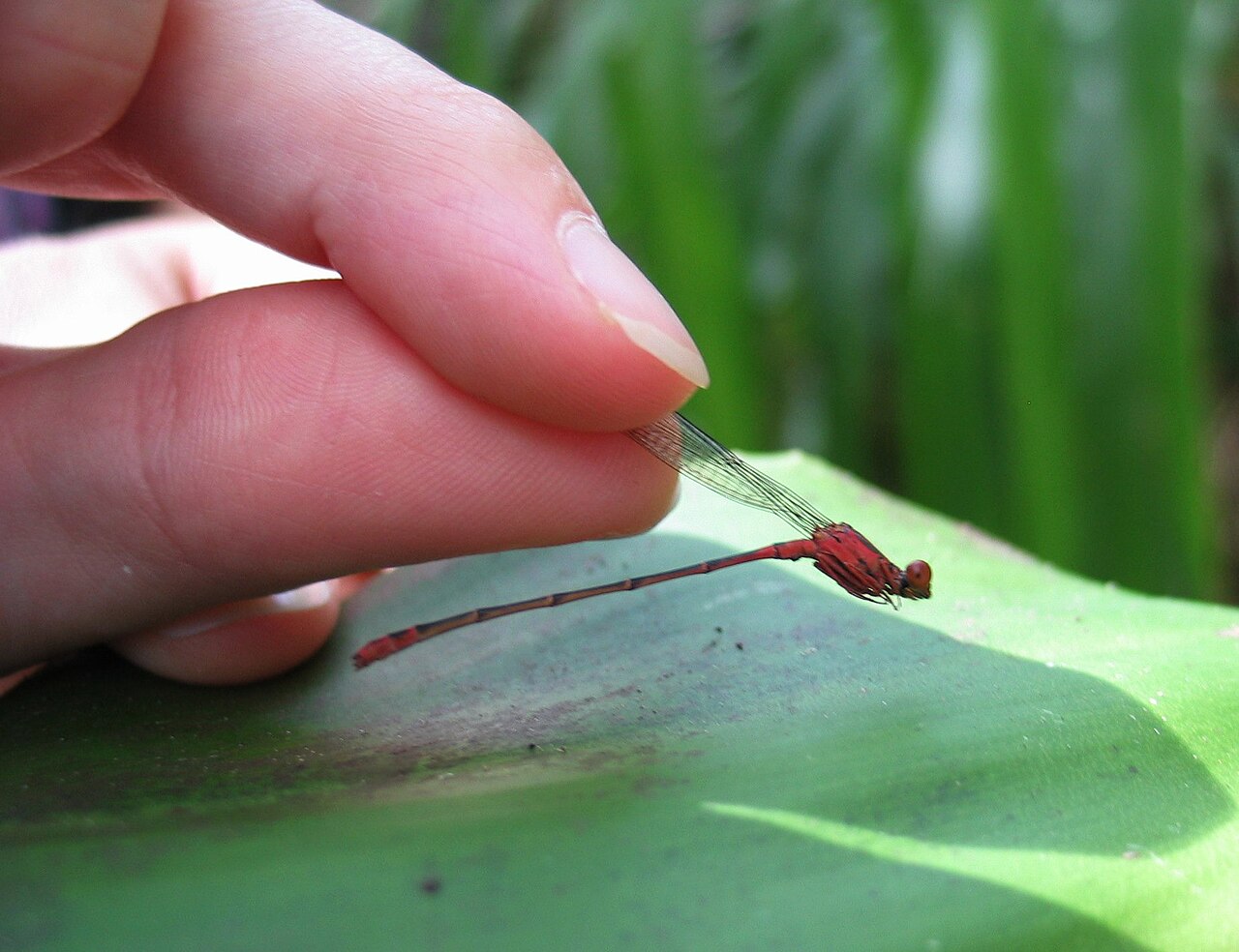
Licensed referenceDavid Eickhoff from Pearl City, Hawaii, USA / CC BY 2.0 · cc-by
—observations
—countries
—peak records
EndangeredConservation statusIUCN Red List categoriesLCNTVUENCREWEXEndangeredRed List categories, explained →
Diet & prey
- Mosquito larvae
- Midges
- Small flies
Predators
- Western mosquitofish
- Dragonflies
- Native wetland birds
ThreatsInvasive predatory fish, stream diversion, habitat destruction
HabitatsLowland streams, anchialine ponds, coastal marshes
Life span1–2 years
Size / weightNot available
Classification
- FamilyCoenagrionidae
- SpeciesMegalagrion xanthomelas
Range data is not available yet.
Interaction riskLow
- Low
- Moderate
- High
- Very high
- Why interaction risk is low
- Safe to observe at a normal distance.
- What to notice
- Small slender damselfly with striking orange-red and black body markings perched near quiet lowland waters.
- Support conservation
- Observe from stream banks and refrain from entering delicate anchialine pools or trampling coastal marsh vegetation.
Responsible observation
- Best Viewing: Look for adults perching on sunlit foliage along calm stream margins during warm mornings.
- Habitat Respect: Avoid disturbing fragile anchialine pool edges where aquatic nymphs develop.
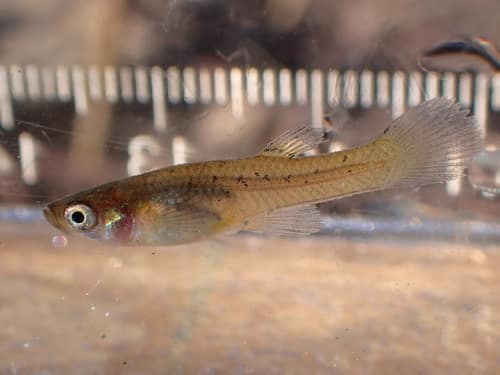
Invasive Predator (c) Zakqary Roy, some rights reserved (CC BY), uploaded by Zakqary Roy · cc-by Image unavailable
Close Relative
Help improve the field guideSomething wrong?
Checking your Fauna account…Report a name, category, or profile issue for review.