
Insect
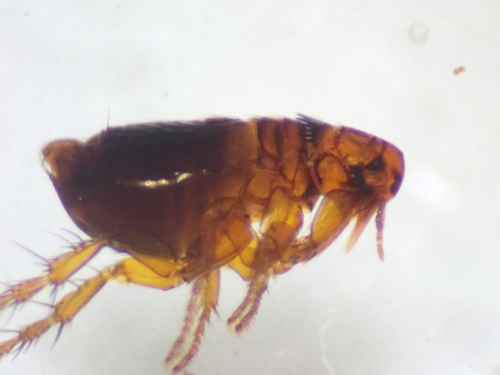
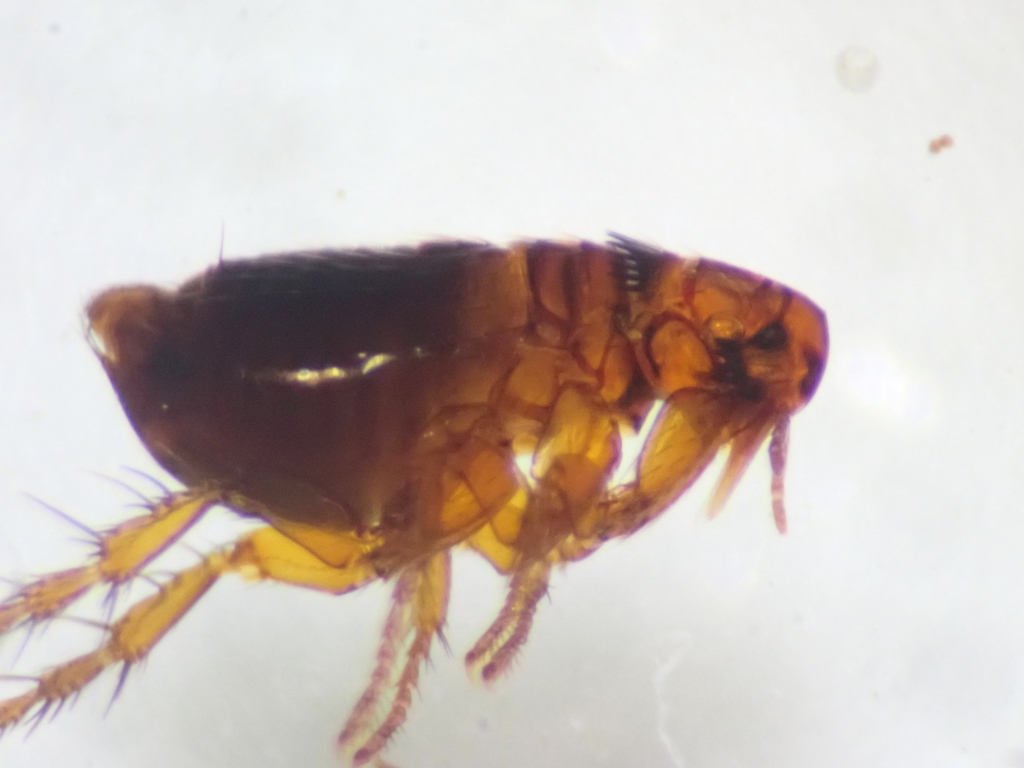
European Rabbit Flea
Spilopsyllus cuniculiAlso known as Rabbit Flea
European rabbit fleas are specialized ectoparasites whose reproductive cycle synchronizes tightly with the reproductive hormones of female rabbits. Adults cluster in large numbers around the ears, face, and eyelids of their host, piercing the thin skin to feed on blood. They serve as the primary vector of the myxoma virus in Europe and Australia, playing a pivotal historical role in the biological control of wild rabbit populations.
ParasiteFlightlessVector
—observations
—countries
—peak records
Not EvaluatedConservation statusIUCN Red List categoriesLCNTVUENCREWEXNot Evaluated — not placed on the risk ladderRed List categories, explained →
Diet & preyMammalian blood (primarily lagomorphs)
Predators
- European Rabbit
- Predatory mites
- Pseudoscorpions
ThreatsHost grooming, insecticides, burrow flooding
HabitatsRabbit warrens, underground burrows, host fur and ears
Life spanSeveral months up to 1 year
Classification
- FamilyPulicidae
- SpeciesSpilopsyllus cuniculi
Range data is not available yet.
Interaction riskLow
- Low
- Moderate
- High
- Very high
- Why interaction risk is low
- Harmless to humans, though occasionally causes mild, itchy bites if handling infested wild rabbits.
Responsible observation
- Observation: Look closely along the margins of wild rabbit ears where adults cluster tightly.
- Hygiene: Wash hands and brush clothing after handling wild lagomorphs to prevent stray bites.
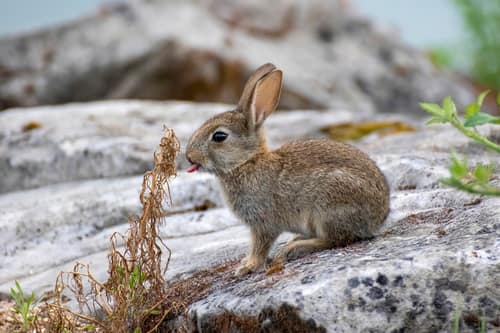
Primary Host (c) Alexis Lours, some rights reserved (CC BY), uploaded by Alexis Lours · cc-by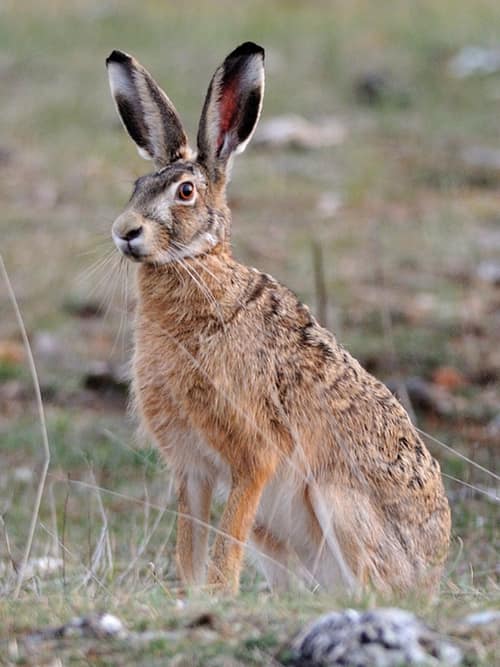
Secondary Host Jean-Jacques Boujot from Paris, France / CC BY-SA 2.0 · cc-by-sa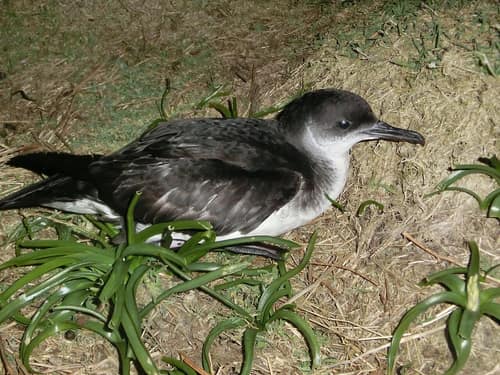
Casual Host Martin Reith / CC BY-SA 3.0 · cc-by-sa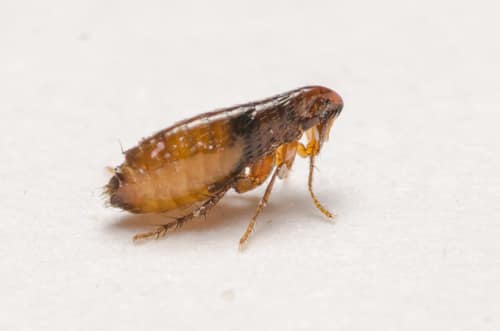
Same Family (c) Justin Williams, some rights reserved (CC BY), uploaded by Justin Williams · cc-by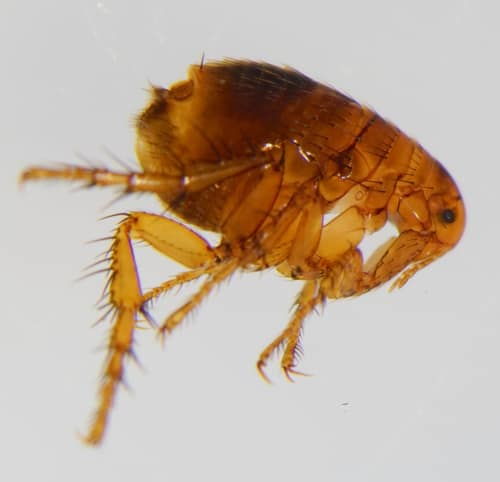
Same Family (c) carnifex, some rights reserved (CC BY), uploaded by carnifex · cc-by
Help improve the field guideSomething wrong?
Checking your Fauna account…Report a name, category, or profile issue for review.