
Insect
Human Flea
Pulex irritansAlso known as House Flea
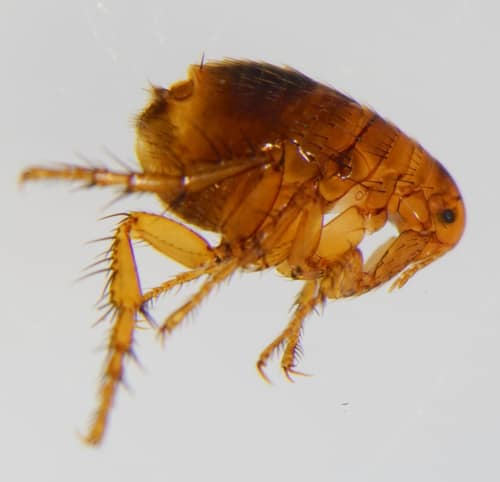
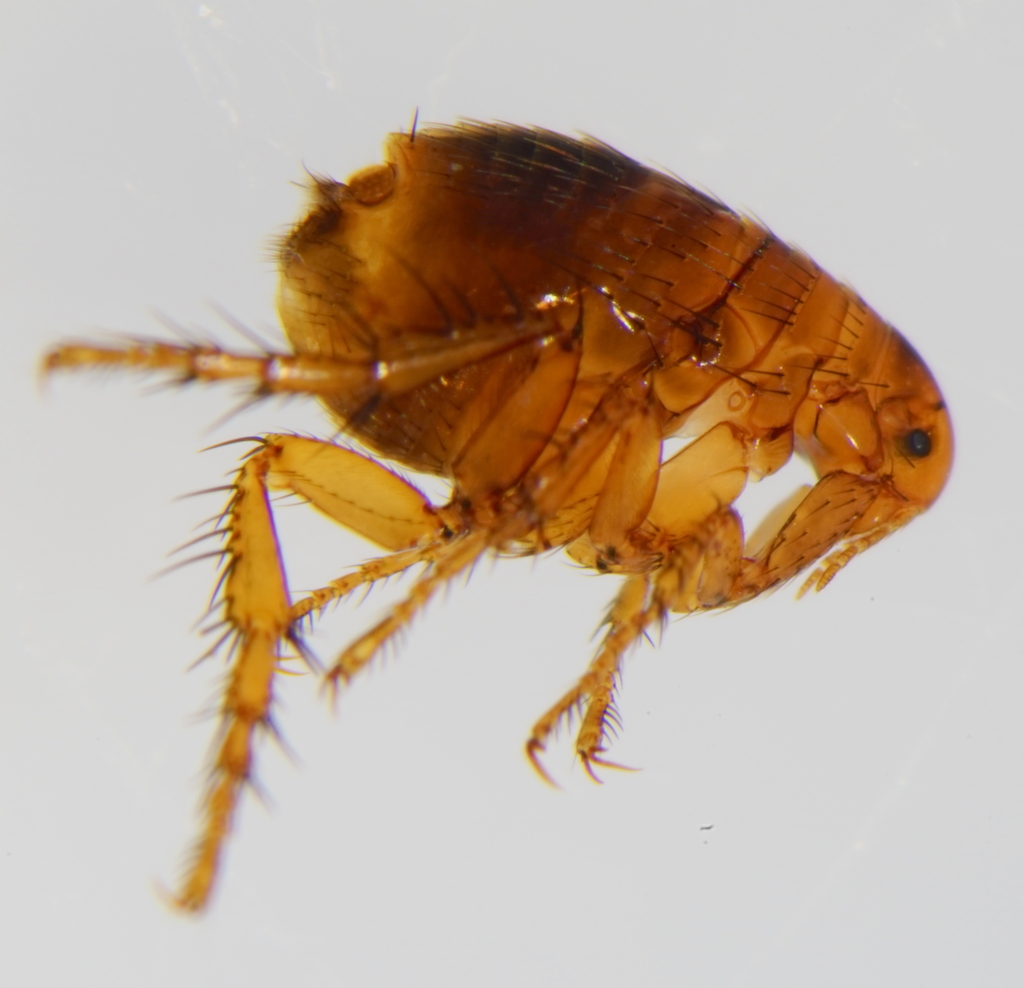
Human fleas are wingless, laterally flattened insects built for maneuvering effortlessly through host fur, feathers, or human hair. Equipped with specialized hind legs, they can jump nearly a hundred times their body height to switch between hosts. Although historically associated with domestic environments, they maintain a remarkably wide host spectrum across mammals and birds around the world.
ParasiteJumpingCosmopolitan
—observations
—countries
—peak records
Not EvaluatedConservation statusIUCN Red List categoriesLCNTVUENCREWEXNot Evaluated — not placed on the risk ladderRed List categories, explained →
Diet & preyMammal blood, Bird blood
Predators
- Ants
- Spiders
- Pseudoscorpions
ThreatsPesticides, vacuuming, high heat laundering, groomers
HabitatsHuman dwellings, animal dens, farms, bird nests
Life span1–3 months
Classification
- FamilyPulicidae
- SpeciesPulex irritans
Range data is not available yet.
Interaction riskModerate
- Low
- Moderate
- High
- Very high
- Why interaction risk is moderate
- Bites cause itchy skin reactions and can transmit pathogens; maintain hygiene and avoid contact with infested bedding or animals.
- Why it is dangerous
- Transmits bacterial pathogens like Rickettsia typhi while its saliva triggers localized dermatitis and intense itching.
- How to recognize a risky encounter
- Reddish-brown, wingless, laterally flattened insect lacking the genal and pronotal combs seen on cat and dog fleas.
- What to do
- Avoid touching directly, wash exposed linens in hot water, and treat infested areas with targeted pest management.
Responsible observation
- Observation: Inspect white bedding or clothing with magnification to spot small, dark reddish-brown jumping insects.
- Sanitation: Wash infested bedding in hot water and vacuum carpets regularly to destroy flea eggs and larvae.
- Bite Care: Clean bites with soap and water and avoid scratching to prevent secondary skin infections.
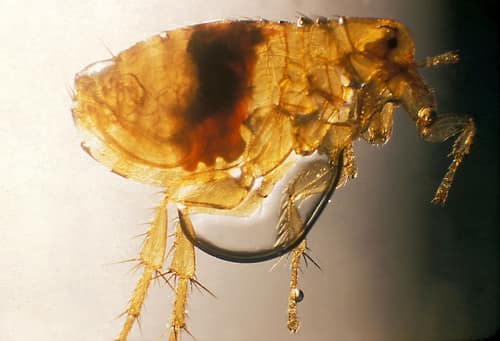
Vector Competitor CDC/Dr. Pratt / Public domain · cc0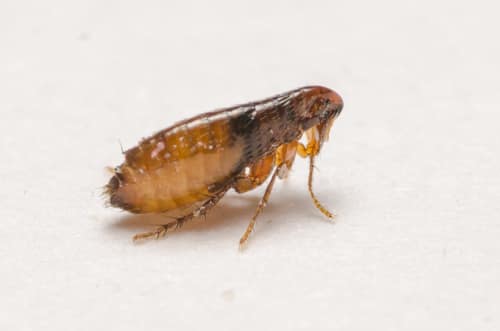
Close Relative (c) Justin Williams, some rights reserved (CC BY), uploaded by Justin Williams · cc-by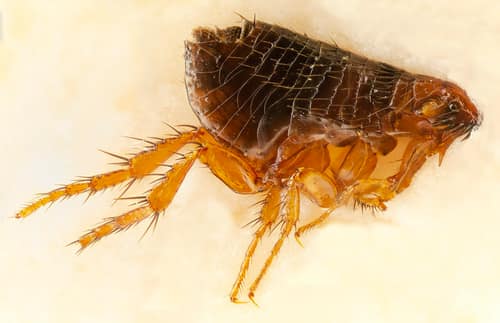
Close Relative Fedaro / CC BY-SA 4.0 · cc-by-sa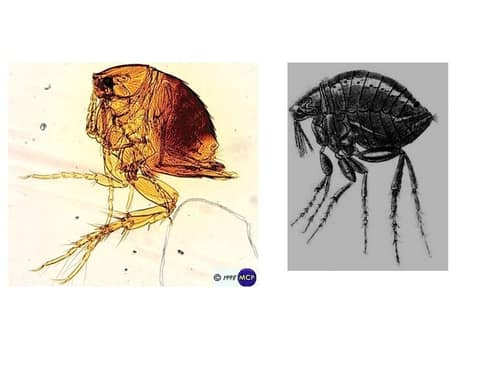
Order Relative (c) Michael Wunderli, some rights reserved (CC BY) · cc-by
Help improve the field guideSomething wrong?
Checking your Fauna account…Report a name, category, or profile issue for review.