
Insect · GBIF taxon 1419468
Dog Flea
Ctenocephalides canisAlso known as Canine Flea
Dog fleas are small, wingless, laterally compressed parasites specialized for navigating dense mammalian fur with row-like head combs called ctenidia. Adult fleas feed exclusively on blood from dogs and other mammals, while legless larvae develop in bedding and floor crevices consuming adult droppings and organic debris. Although less common globally than the closely related cat flea, infestations trigger intense itching, flea allergy dermatitis, and tapeworm transmissions.
ParasiteWinglessBlood-feeder
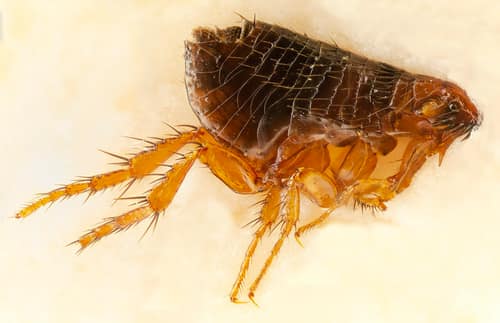
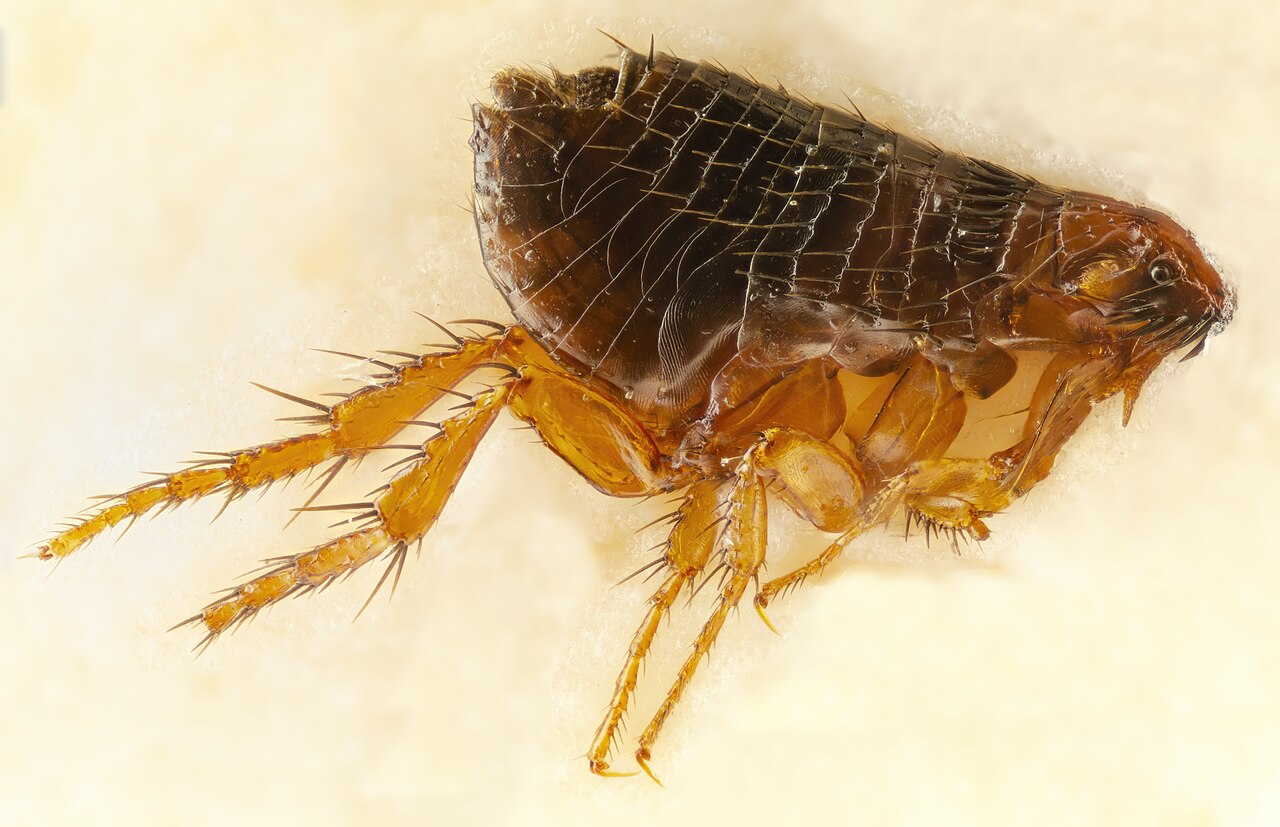
Licensed referenceFedaro / CC BY-SA 4.0 · cc-by-sa
—observations
—countries
—peak records
Not EvaluatedConservation statusIUCN Red List categoriesLCNTVUENCREWEXNot Evaluated — not placed on the risk ladderRed List categories, explained →
Diet & prey
- Mammalian blood
- Flea feces
- Organic debris
Predators
- Rove beetles
- Ants
- Pseudoscorpions
ThreatsFlea control medications, grooming, high heat, and desiccation
HabitatsPet fur, animal bedding, kennels, and residential carpets
Life span2–3 months
Size / weightNot available
Classification
- FamilyPulicidae
- SpeciesCtenocephalides canis
Range data is not available yet.
Interaction riskModerate
- Low
- Moderate
- High
- Very high
- Why interaction risk is moderate
- Bites trigger severe allergic itching and transmit tapeworms; keep pets treated with preventative veterinary medication.
- Why it is dangerous
- Salivary proteins injected during blood meals cause intense skin irritation and allergy dermatitis, while ingested fleas transmit tapeworms.
- How to recognize a risky encounter
- Look for tiny, reddish-brown wingless insects flattened side-to-side, or specks of black flea dirt in animal bedding.
- What to do
- Do not crush fleas with fingers; administer approved oral or topical treatments to pets and vacuum carpets thoroughly.
Responsible observation
- Pet Care: Apply veterinarian-approved monthly flea preventatives to all household pets.
- Hygiene: Wash pet bedding routinely in hot water to kill hidden eggs, larvae, and pupae.
- Inspection: Use a fine-toothed flea comb near the base of a pet's tail to check for dark flea dirt.
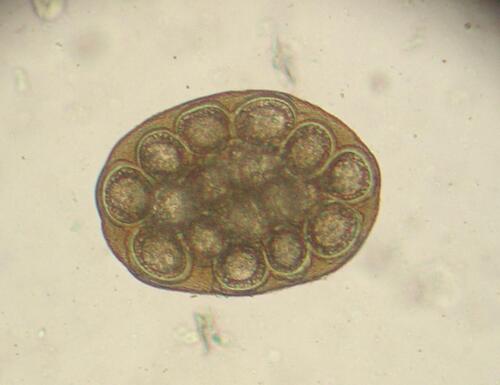
Parasite (c) Joel Mills, some rights reserved (CC BY-SA) · cc-by-sa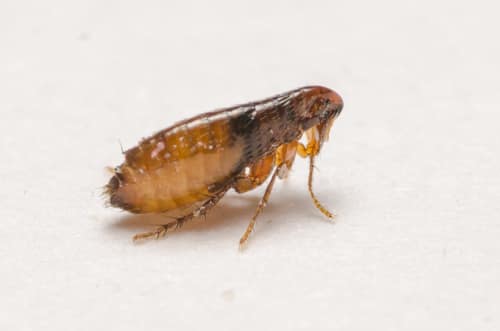
Close Relative (c) Justin Williams, some rights reserved (CC BY), uploaded by Justin Williams · cc-by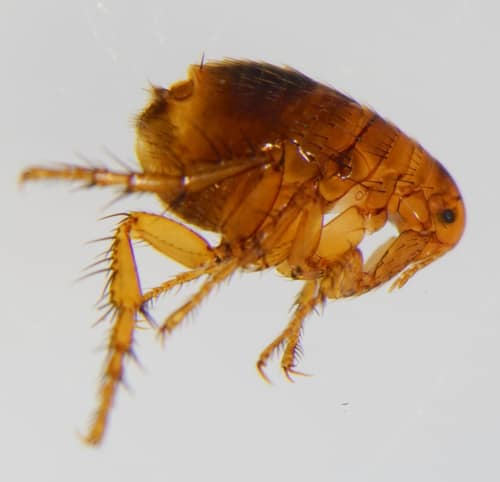
Close Relative (c) carnifex, some rights reserved (CC BY), uploaded by carnifex · cc-by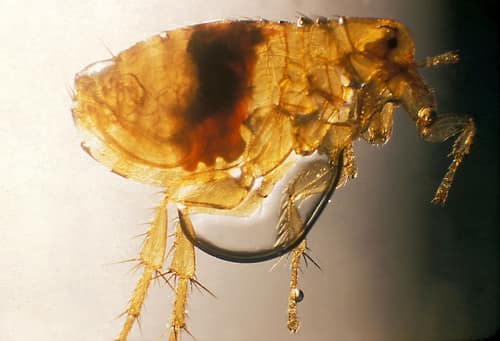
Family Member CDC/Dr. Pratt / Public domain · cc0
Help improve the field guideSomething wrong?
Checking your Fauna account…Report a name, category, or profile issue for review.