
Insect
European Chicken Flea
Ceratophyllus gallinaeAlso known as Hen Flea
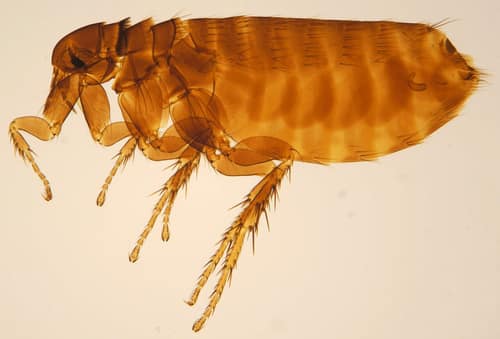
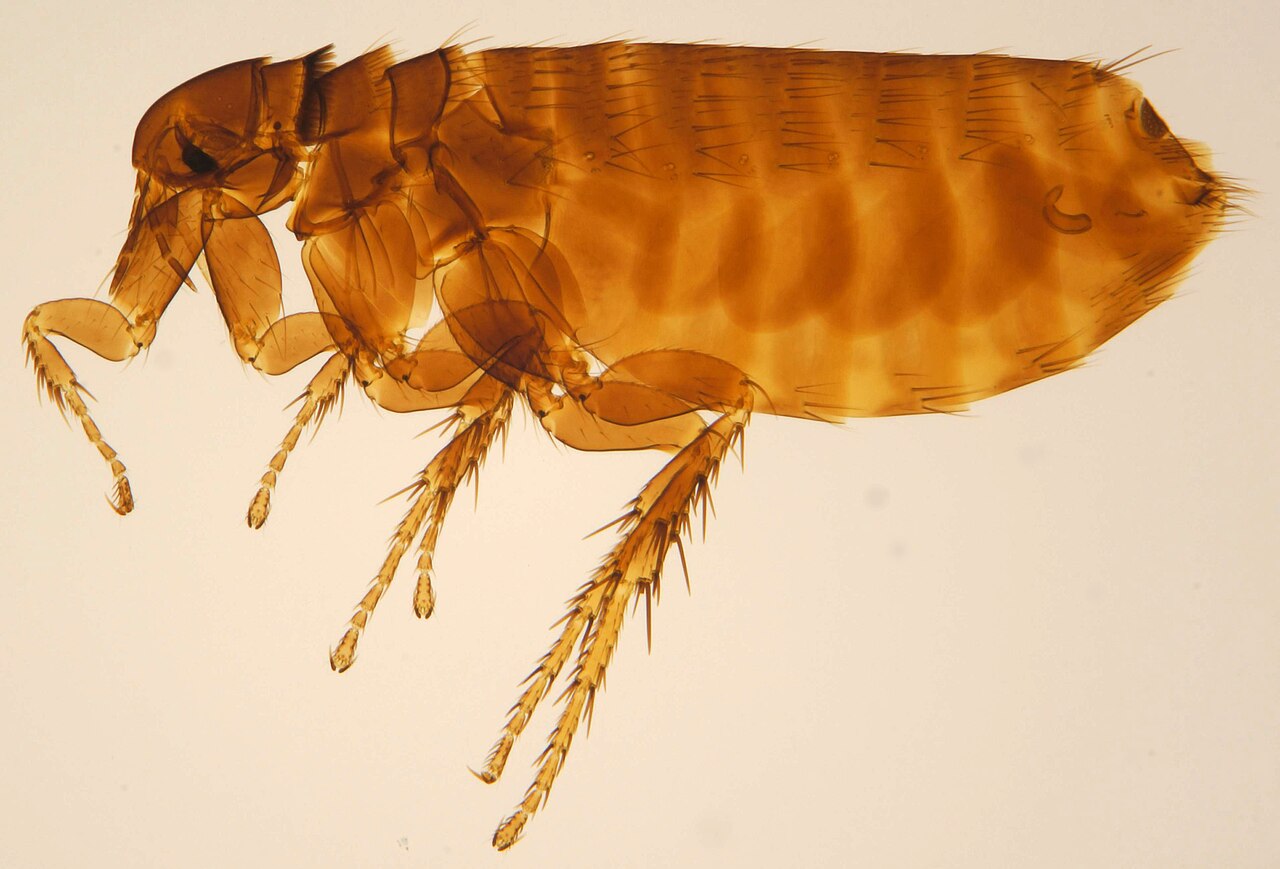
European chicken fleas are laterally flattened, wingless insects that thrive inside the nests of cavity-nesting songbirds and domestic poultry coops. Rather than living permanently on their hosts, adults hide in nest lining and leap onto brooding birds or chicks to feed on blood. Overwintering adults can wait in empty nest boxes for months, emerging in spring when warmth and carbon dioxide signal a returning host.
ParasiticNest-DwellingFlightless
—observations
—countries
—peak records
Not EvaluatedConservation statusIUCN Red List categoriesLCNTVUENCREWEXNot Evaluated — not placed on the risk ladderRed List categories, explained →
Diet & preyAvian blood, Nest organic debris, Adult flea feces
Predators
- Insectivorous birds
- Pseudoscorpions
- Predatory mites
ThreatsInsecticides, nest sanitation, extreme desiccation, and prolonged host absence
HabitatsBird nests, nest boxes, poultry coops, and woodlands with cavity-nesting birds
Life spanSeveral months to over a year as an adult
Classification
- FamilyCeratophyllidae
- SpeciesCeratophyllus gallinae
Range data is not available yet.
Interaction riskLow
- Low
- Moderate
- High
- Very high
- Why interaction risk is low
- Safe to observe at a normal distance; wear gloves when cleaning old bird nests or coops to avoid itchy bites.
Responsible observation
- Nest Box Timing: Clean out old bird nest boxes in late autumn or winter while wearing gloves before spring fleas emerge.
- Coop Inspection: Check cracks, roosts, and nesting bedding in chicken coops for tiny, fast-jumping dark brown insects.
- Magnification: Use a hand lens to spot the laterally flattened body and combs of spines behind the head.
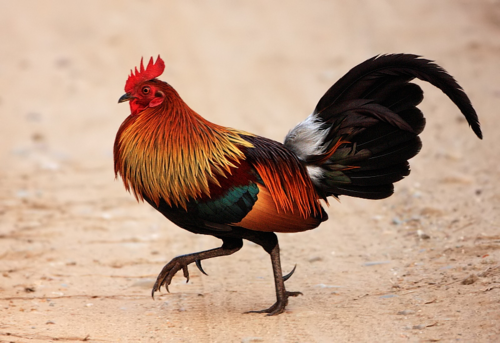
Primary Host Subramanya C K / CC BY-SA 3.0 · cc-by-sa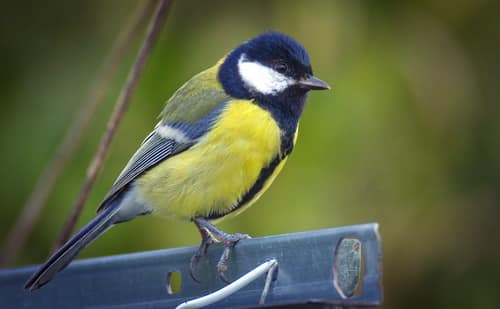
Wild Host (c) hedera.baltica, some rights reserved (CC BY-SA) · cc-by-sa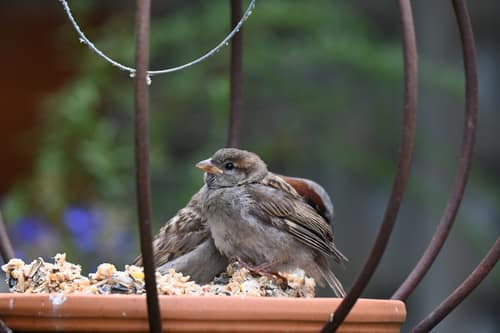
Wild Host (c) jraus, some rights reserved (CC BY-SA) · cc-by-sa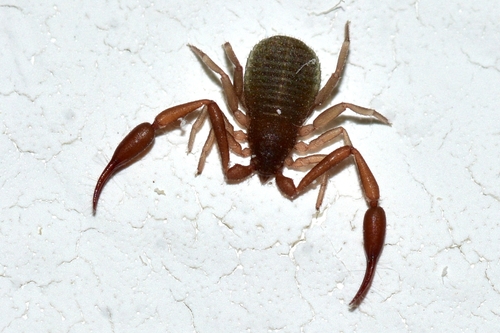
Predator (c) Andrés Romero Bravo, some rights reserved (CC BY) · cc-by Image unavailable
Close Relative
Help improve the field guideSomething wrong?
Checking your Fauna account…Report a name, category, or profile issue for review.