
Insect · GBIF taxon 1408970
Giant Mayfly
Hexagenia limbataAlso known as Burrowing Mayfly
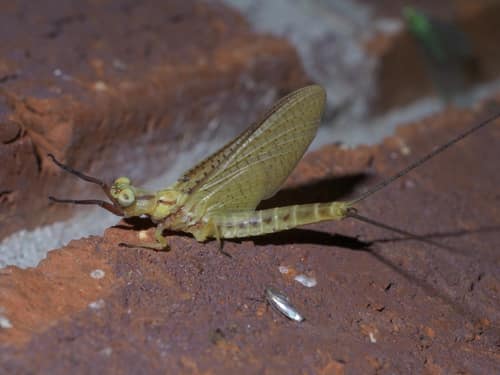
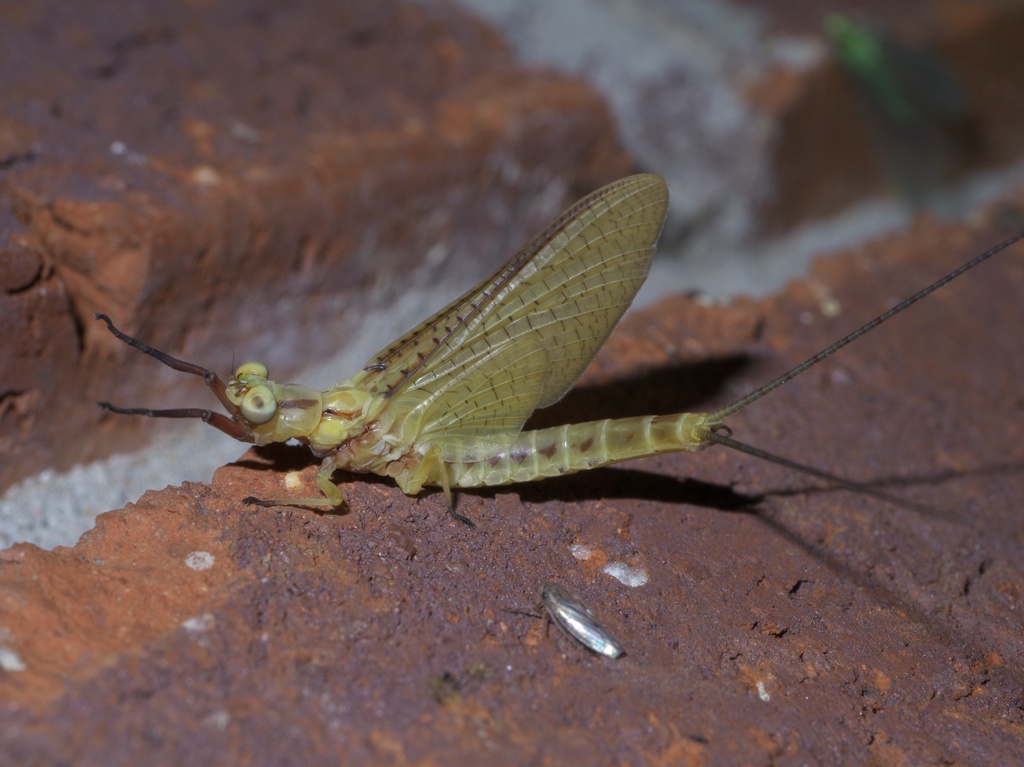
The Giant Mayfly spends most of its life as a burrowing aquatic nymph in soft lake and river sediments. Huge synchronized emergences produce pale, delicate adults with upright wings and long tail filaments that live only long enough to reproduce.
Aquatic NymphMass EmergenceShort-lived Adult
—observations
—countries
—peak records
Not EvaluatedConservation statusIUCN Red List categoriesLCNTVUENCREWEXNot Evaluated — not placed on the risk ladderRed List categories, explained →
Diet & prey
- Algae
- Detrital particles
- Microorganisms
Predators
- Freshwater fish
- Swallows
- Dragonflies
ThreatsLow dissolved oxygen, nutrient pollution, contaminated sediment, dredging, and altered flows
HabitatsLarge lakes and slow rivers with oxygenated water and soft silt or clay bottoms
Life spanAbout 1 to 2 years as a nymph; adults live roughly one or two days
Size / weightNot available
Classification
- OrderEphemeroptera
- FamilyEphemeridae
- GenusHexagenia
- SpeciesHexagenia limbata
Range data is not available yet.
Interaction riskLow
- Low
- Moderate
- High
- Very high
- Why interaction risk is low
- Emergence swarms are harmless but can make roads and walkways slippery.
Responsible observation
- Adult: Look for upright triangular wings and two long tail filaments.
- Habitat: Treat large emergences as signs of nearby productive fresh water.
Help improve the field guideSomething wrong?
Checking your Fauna account…Report a name, category, or profile issue for review.