
Insect
Golden Giant Asian Mantis
Hierodula membranaceaAlso known as Giant Asian Mantis, Green Giant Asian Mantis
Giant Asian mantises are formidable ambush predators that rely on exceptional binocular vision and cryptic coloration to blend seamlessly among tree foliage. Adult females display voracious appetites, regularly capturing prey nearly their own size and occasionally consuming courting males during or following copulation. Females eventually produce several spongy, foam-like egg cases called oothecae, which harden to protect hundreds of developing nymphs throughout the tropical seasons.
PredatoryCamouflageSolitary
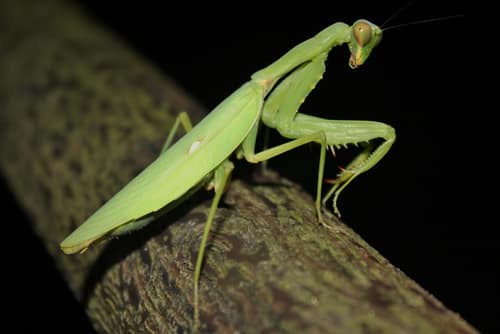
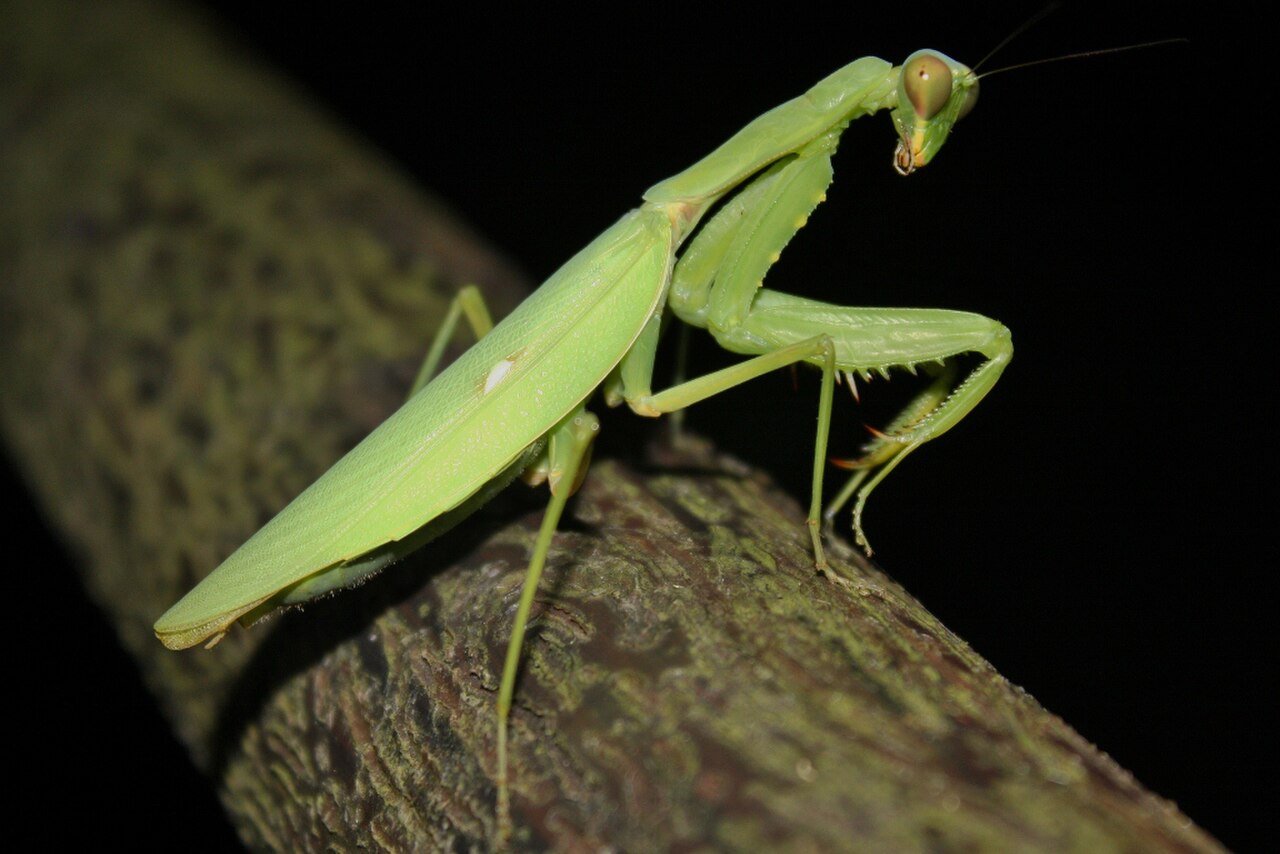
—observations
—countries
—peak records
Not EvaluatedConservation statusIUCN Red List categoriesLCNTVUENCREWEXNot Evaluated — not placed on the risk ladderRed List categories, explained →
Diet & preyGrasshoppers and crickets, Flies and moths, Bees and wasps
Predators
- Insectivorous birds
- Tree frogs
- Larger reptiles
ThreatsHabitat destruction, deforestation, and indiscriminate pesticide use
HabitatsTropical rainforest canopy, warm scrubland, and cultivated gardens
Life span8–12 months
Classification
- FamilyMantidae
- SpeciesHierodula membranacea
Range data is not available yet.
Interaction riskLow
- Low
- Moderate
- High
- Very high
- Why interaction risk is low
- Safe to observe at a normal distance; large adults can deliver a harmless pinch if mishandled.
Responsible observation
- Observation Distance: Watch from a few inches away to see their mobile, swiveling head track movements.
- Perch Etiquette: Avoid shaking branches, as sudden vibrations cause them to freeze or enter a defensive threat posture.
- Handling Caution: Allow them to walk onto a flat hand voluntarily rather than grasping their delicate thorax.
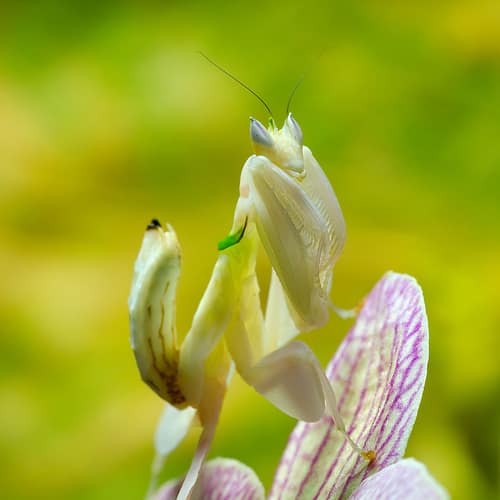
Neighbor Luc Viatour / CC BY-SA 3.0 · cc-by-sa Image unavailable
Close Relative 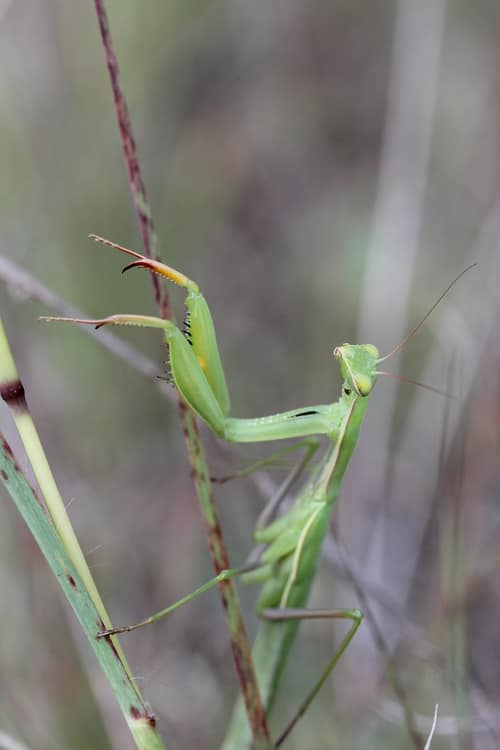
Same Family "European Mantis - Mantis religiosa" by Björn S... is licensed under CC BY-SA 2.0. To view a copy of this license, visit https://creativecommons.org/licenses/by-sa/2.0/. · cc-by-sa
Help improve the field guideSomething wrong?
Checking your Fauna account…Report a name, category, or profile issue for review.