
Insect
African Lined Mantis
Sphodromantis lineolaAlso known as African Mantis, African Praying Mantis
African lined mantises are formidable ambush predators that blend seamlessly into foliage while awaiting grasshoppers, moths, and other passing invertebrates. Females produce large, foamy oothecae that harden into tough protective capsules containing hundreds of eggs before the dry season. When threatened, adults flare their spiny forelegs and fan their wings in an imposing deimatic display to deter potential predators.
PredatoryCamouflageInvertebrate
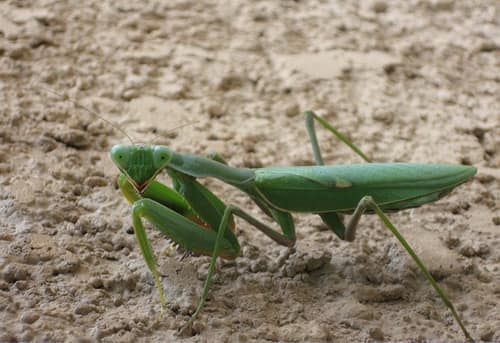
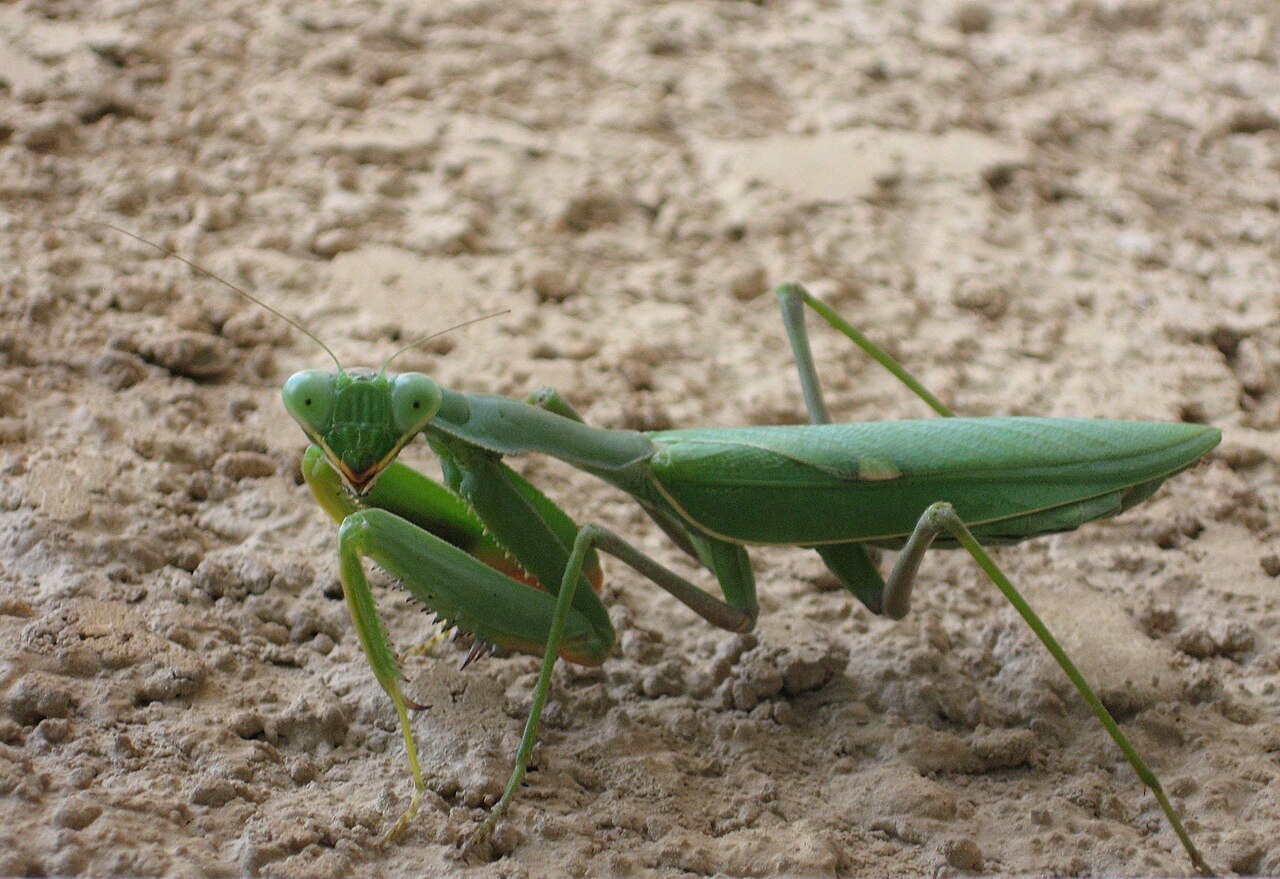
—observations
—countries
—peak records
Not EvaluatedConservation statusIUCN Red List categoriesLCNTVUENCREWEXNot Evaluated — not placed on the risk ladderRed List categories, explained →
Diet & preyGrasshoppers, Flies, Moths
Predators
- Insectivorous birds
- Lizards
- Chameleons
ThreatsHabitat destruction, pesticide application, and overcollection for the exotic pet trade
HabitatsTropical forests, savannas, shrublands, and cultivated gardens
Life span10–14 months
Classification
- FamilyMantidae
- SpeciesSphodromantis lineola
Range data is not available yet.
Interaction riskLow
- Low
- Moderate
- High
- Very high
- Why interaction risk is low
- Safe to observe at a normal distance.
Responsible observation
- Observation: Look closely along sunlit stems and beneath broad leaves where individuals wait motionless.
- Handling: Allow the insect to walk voluntarily onto an open hand rather than grasping its abdomen.
 Image unavailable
Close Relative 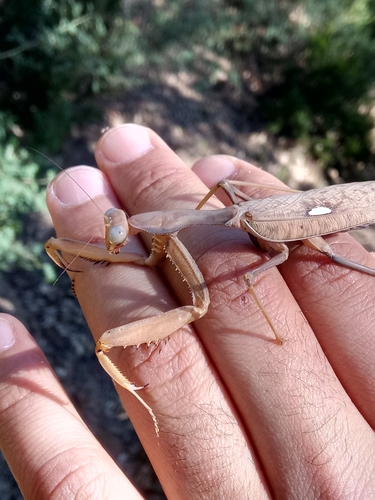
Close Relative (c) Karim Haddad, some rights reserved (CC BY) · cc-by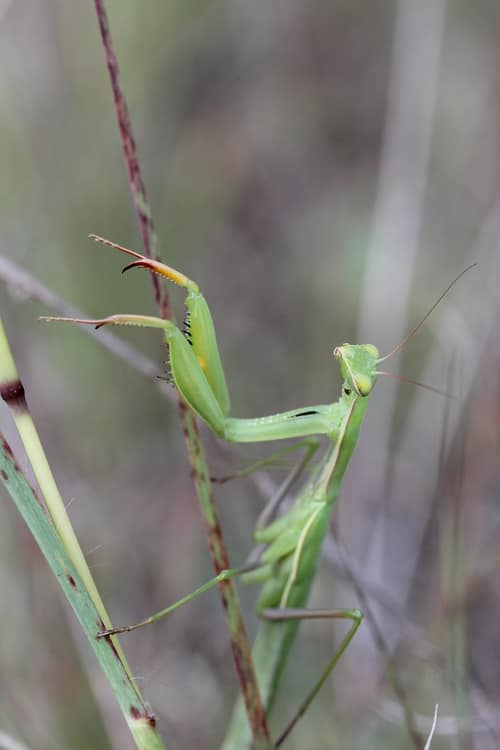
Same Family "European Mantis - Mantis religiosa" by Björn S... is licensed under CC BY-SA 2.0. To view a copy of this license, visit https://creativecommons.org/licenses/by-sa/2.0/. · cc-by-sa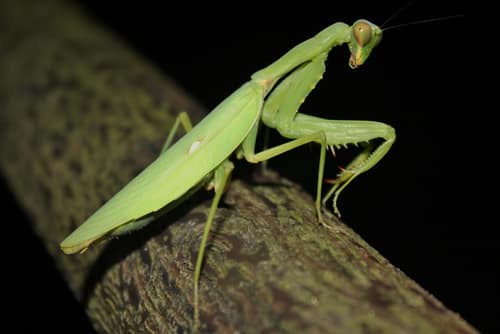
Same Family Thomas Brown / CC BY 2.0 · cc-by
Help improve the field guideSomething wrong?
Checking your Fauna account…Report a name, category, or profile issue for review.