
Insect
Giant African Mantis
Sphodromantis viridisAlso known as African Mantis, Bush Mantis
Giant African mantises are patient ambush predators that sway gently like windblown leaves while stalking insects through dense foliage. Their broad, bright green or tan bodies carry a small cream-colored spot on each forewing, helping them vanish among sunlit shrubs and tall grasses. Females grow noticeably larger and heavier than males, and after mating they attach frothy, walnut-sized egg cases to twigs where dozens of nymphs overwinter.
Ambush PredatorCamouflagedInsect
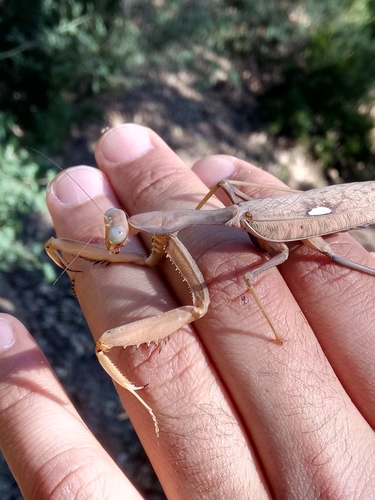
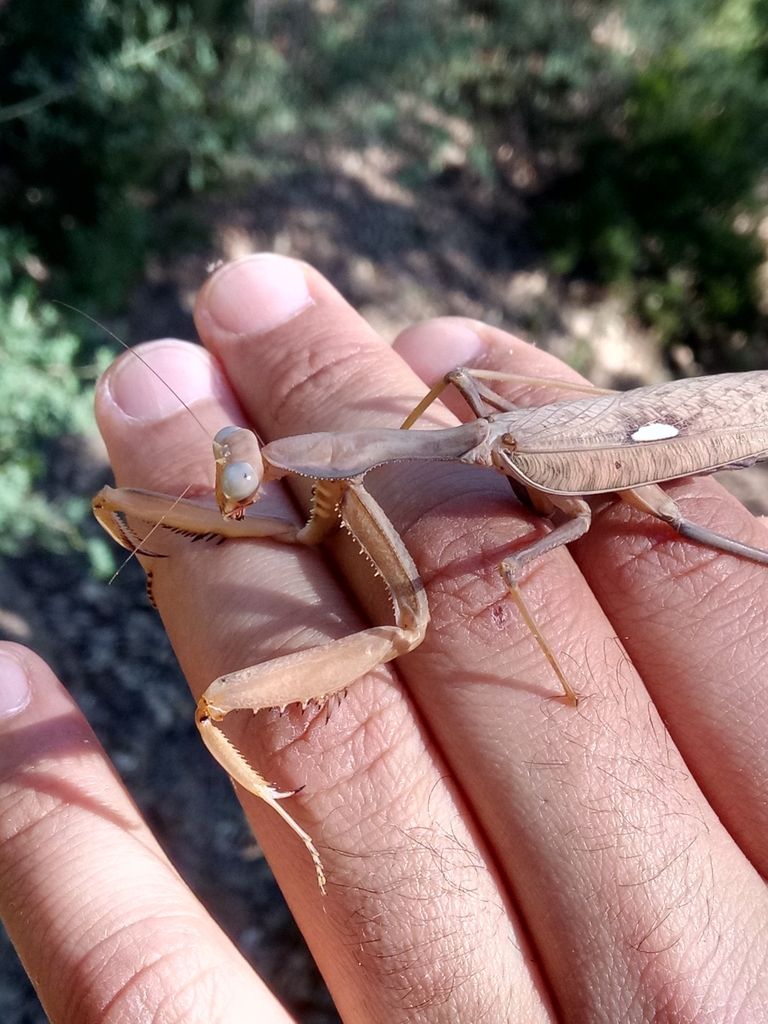
—observations
—countries
—peak records
Not EvaluatedConservation statusIUCN Red List categoriesLCNTVUENCREWEXNot Evaluated — not placed on the risk ladderRed List categories, explained →
Diet & preyGrasshoppers, Moths, Flies
Predators
- Insectivorous birds
- Lizards
- Spiders
ThreatsHabitat loss, pesticide use, and predation by birds and reptiles
HabitatsShrublands, savannas, forest edges, and gardens across Africa and parts of the Mediterranean
Life span6–12 months
Classification
- FamilyMantidae
- SpeciesSphodromantis viridis
Range data is not available yet.
Interaction riskLow
- Low
- Moderate
- High
- Very high
- Why interaction risk is low
- Safe to observe at a normal distance.
Responsible observation
- Observation: Scan sunlit shrubs and garden hedges slowly, as their green bodies blend seamlessly into leaves.
- Photography: Move smoothly and keep your camera a short distance away so you do not trigger a threat display.
- Etiquette: Leave wild mantises undisturbed on their perches, as rough handling can injure their legs or wings.
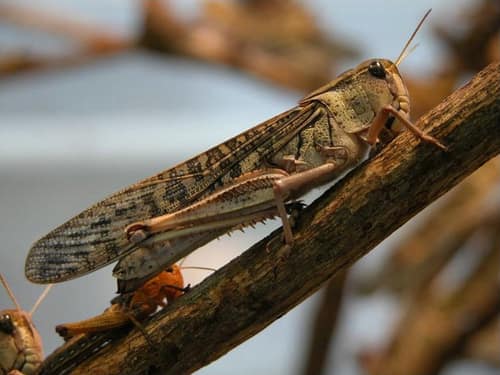
Prey Jonathan Hornung / CC BY-SA 2.0 de · cc-by-sa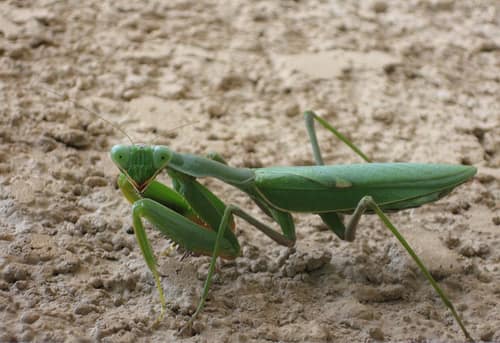
Close Relative Mintz_l / Public domain · cc0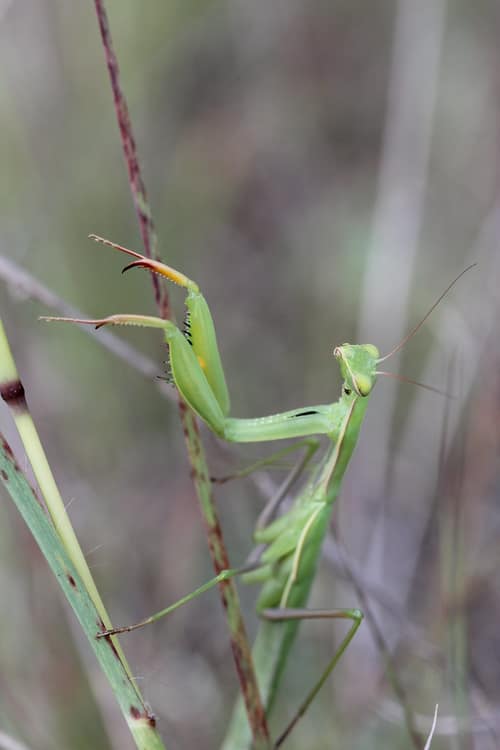
Same Family "European Mantis - Mantis religiosa" by Björn S... is licensed under CC BY-SA 2.0. To view a copy of this license, visit https://creativecommons.org/licenses/by-sa/2.0/. · cc-by-sa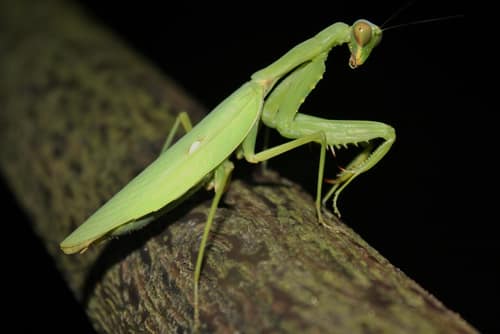
Same Family Thomas Brown / CC BY 2.0 · cc-by
Help improve the field guideSomething wrong?
Checking your Fauna account…Report a name, category, or profile issue for review.