
Insect
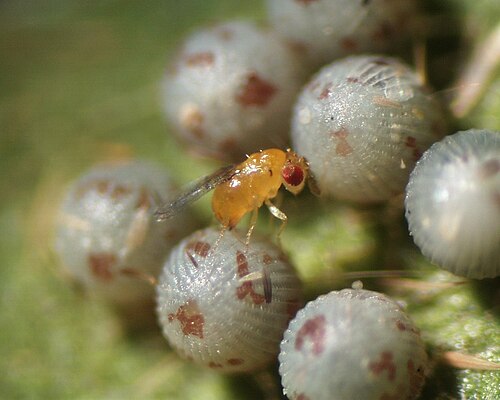
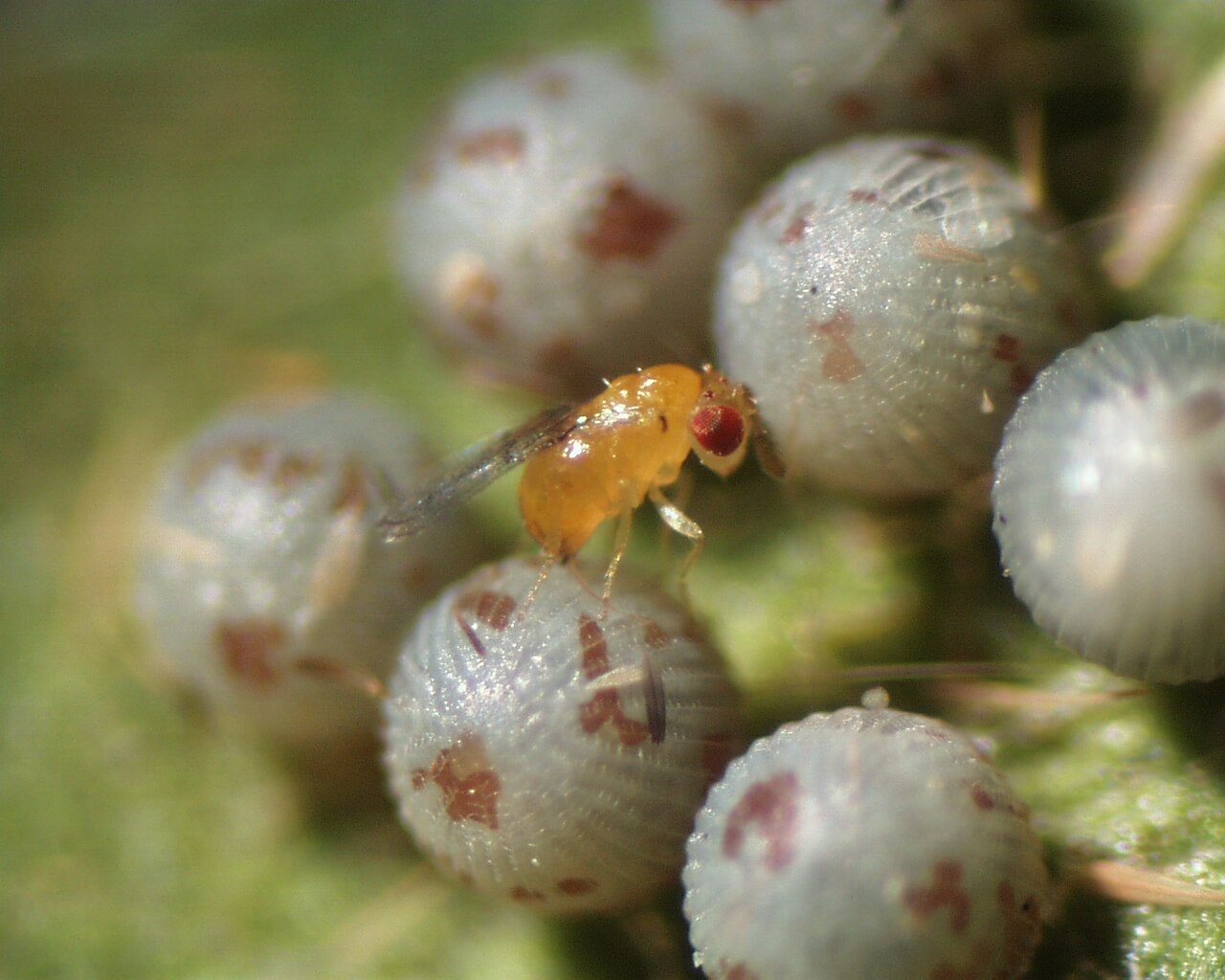
Trichogramma evanescens
Trichogramma evanescensAlso known as Egg Parasitoid Wasp
These minute parasitoid wasps are formidable natural regulators of moth and butterfly populations. Females detect chemical trails left by adult moths to locate fresh host eggs, inserting their own offspring inside to consume the host from within. Widely reared for commercial biological pest control, they help protect crops and stored grains without chemical pesticides.
ParasitoidMicroscopicBeneficial Insect
—observations
—countries
—peak records
Not EvaluatedConservation statusIUCN Red List categoriesLCNTVUENCREWEXNot Evaluated — not placed on the risk ladderRed List categories, explained →
Diet & preyMoth eggs, Butterfly eggs, Floral nectar
Predators
- Spiders
- Predatory mites
- Ants
ThreatsBroad-spectrum chemical insecticides
HabitatsAgricultural fields, gardens, orchards, and stored grain facilities
Life span7–14 days as adults
Classification
- FamilyTrichogrammatidae
- SpeciesTrichogramma evanescens
Range data is not available yet.
Interaction riskLow
- Low
- Moderate
- High
- Very high
- Why interaction risk is low
- Safe to observe at a normal distance.
Responsible observation
- Biological Control: Released commercially in greenhouses and gardens to suppress moth populations naturally.
- Magnification Needed: Examine host moth eggs with a hand lens to spot blackened, parasitized eggs.
- Pesticide Caution: Avoid broad-spectrum chemical sprays to protect these beneficial micro-wasps.
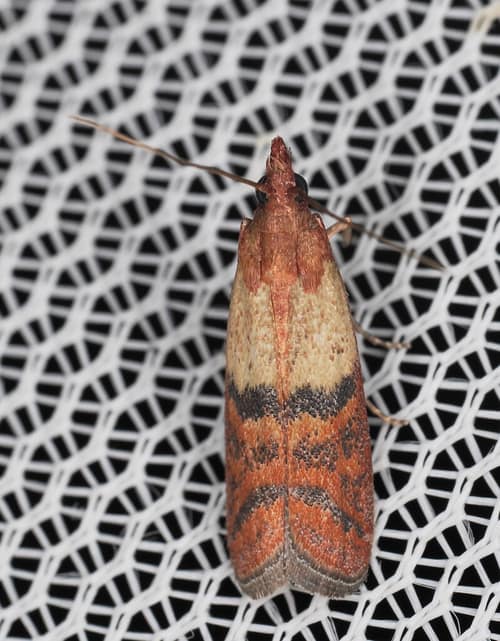
Host Species (c) Rosario Douglas, some rights reserved (CC BY), uploaded by Rosario Douglas · cc-by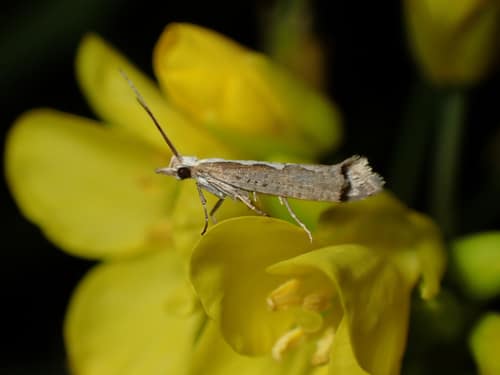
Host Species no rights reserved · cc0 Image unavailable
Close Relative Close Relative
Help improve the field guideSomething wrong?
Checking your Fauna account…Report a name, category, or profile issue for review.