
Insect
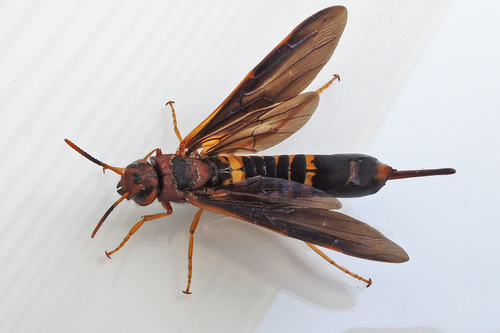
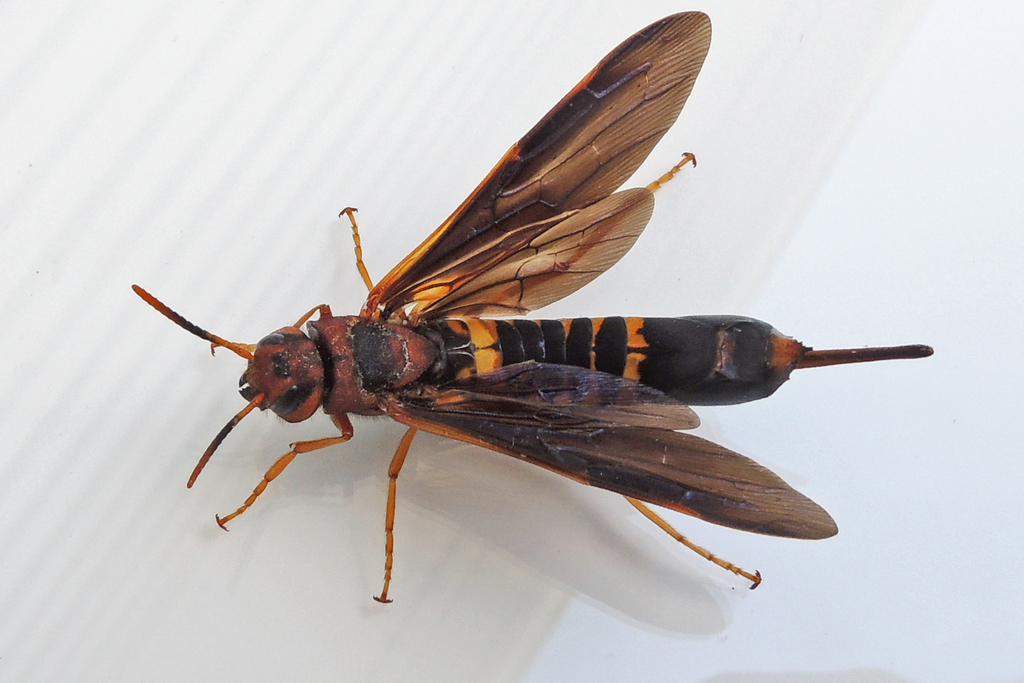
Pigeon Horntail
Tremex columbaAlso known as Pigeon Tremex
Pigeon horntails are large, cylindrical woodwasps recognized by their bold black, yellow, and reddish-brown abdominal bands and a spine-like tail plate. Females use a drill-like ovipositor to inject eggs alongside symbiotic wood-decaying fungus into weakened or dead hardwoods such as maples, beeches, and elms. The resulting grubs bore intricate galleries through the softened wood for up to two years, playing a crucial role in cycling dead timber back into forest soil.
WoodlandStinglessWood-Boring
—observations
—countries
—peak records
Not EvaluatedConservation statusIUCN Red List categoriesLCNTVUENCREWEXNot Evaluated — not placed on the risk ladderRed List categories, explained →
Diet & preyRotting Hardwood, Wood-Decaying Fungus, Tree Sap
Predators
- Giant Ichneumon Wasps
- Woodpeckers
- Nuthatches
ThreatsRemoval of deadwood snags, habitat fragmentation, and broad-spectrum insecticides
HabitatsDeciduous and mixed forests, suburban woodlots, and parks with standing dead trees
Life span1–2 years (adults live 2–3 weeks)
Classification
- OrderHymenoptera
- FamilySiricidae
- GenusTremex
- SpeciesTremex columba
Range data is not available yet.
Interaction riskLow
- Low
- Moderate
- High
- Very high
- Why interaction risk is low
- Safe to observe at a normal distance; the formidable tail spike cannot sting.
Responsible observation
- Check Dead Trees: Look along dying maple, beech, or elm trunks in late summer.
- Spot Oviposition Sites: Females sometimes become permanently stuck in bark while laying eggs.
- Observe Safely: The prominent rear spike is used only for wood boring and cannot sting.
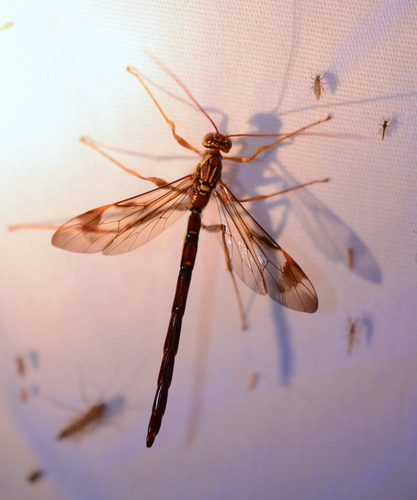
Parasitoid (c) Amber M. King, some rights reserved (CC BY), uploaded by Amber M. King · cc-by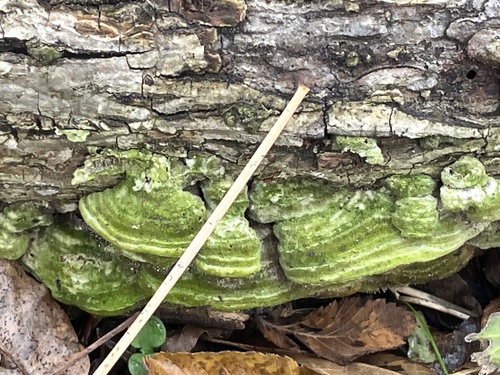
Symbiont no rights reserved · cc0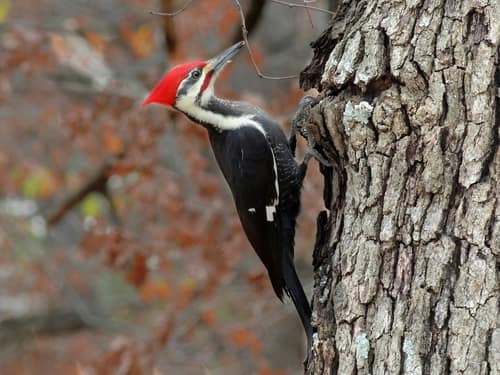
Predator (c) Joshlaymon, some rights reserved (CC BY-SA) · cc-by-sa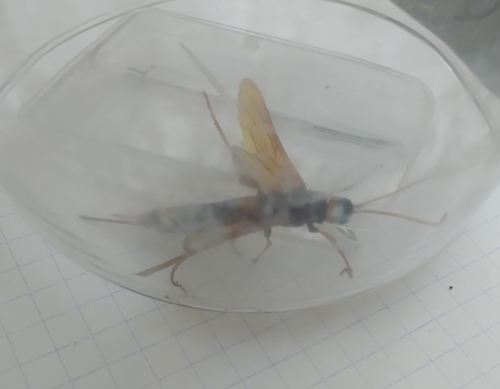
Close Relative (c) Julien Renoult, some rights reserved (CC BY) · cc-by
Help improve the field guideSomething wrong?
Checking your Fauna account…Report a name, category, or profile issue for review.