
Insect · GBIF taxon 1341979
Eastern Honey Bee
Apis ceranaAlso known as Asiatic Honey Bee, Asian Honey Bee, Eastern Bee
Eastern honey bees thrive across Asia in small cavity nests, building vertical beeswax combs to rear brood and store honey. To defend against predatory giant hornets, workers deploy a collective thermal balling defense, engulfing the invader and raising their body temperatures to cook the hornet alive. As the natural host of Varroa mites, these resilient bees have co-evolved effective grooming behaviors that keep parasite populations under control.
PollinatorEusocialVenomous
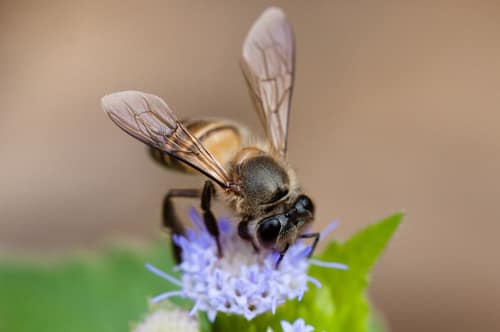
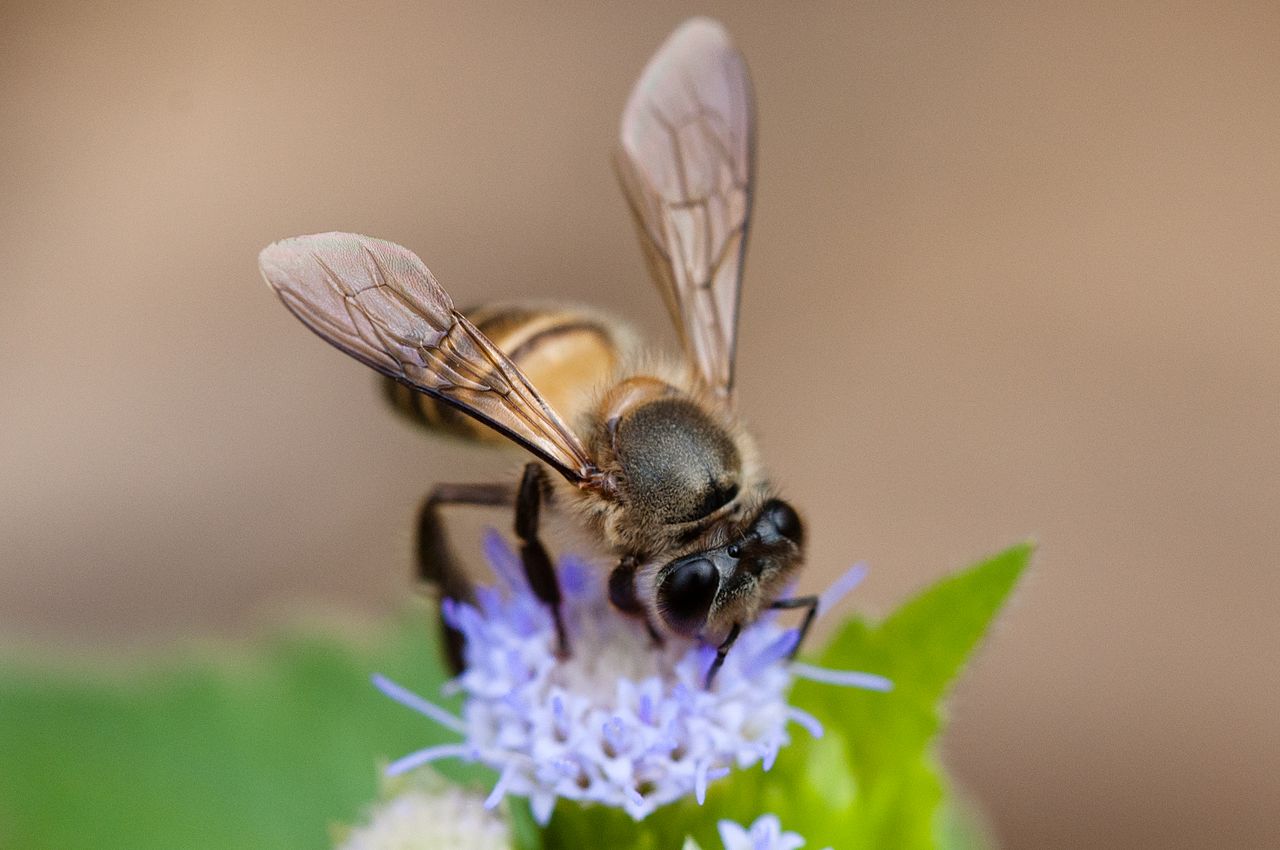
Licensed referenceRushenb / CC BY-SA 3.0 · cc-by-sa
—observations
—countries
—peak records
Not EvaluatedConservation statusIUCN Red List categoriesLCNTVUENCREWEXNot Evaluated — not placed on the risk ladderRed List categories, explained →
Diet & prey
- Floral Nectar
- Pollen
Predators
- Asian Giant Hornet
- Praying Mantis
- Bee-eater Birds
ThreatsHabitat loss, pesticide exposure, invasive pathogens, competition with managed honey bees
HabitatsTropical forests, temperate woodlands, agricultural fields, urban gardens
Life spanWorkers 1–2 months; queens 2–3 years
Size / weightNot available
Classification
- FamilyApidae
- SpeciesApis cerana
Range data is not available yet.
Interaction riskVery high
- Low
- Moderate
- High
- Very high
- Why interaction risk is very high
- Females deliver venomous stings when defending the nest; give wild colonies a wide berth.
- Why it is dangerous
- Delivers a venomous sting containing melittin and histamines, which cause acute local pain and can trigger severe anaphylaxis in allergic individuals.
- How to recognize a risky encounter
- Recognized by prominent white hair bands across a dark abdomen and a smaller overall size than western honey bees.
- What to do
- Do not approach active nests closely; back away slowly if workers begin buzzing loudly around you.
Responsible observation
- Nest Safety: Keep a respectful distance from wild colonies built in tree hollows or stone crevices.
- Observation Etiquette: Watch foragers quietly on flowers without blocking their direct line of flight.
- Sting Prevention: Avoid wearing dark, fuzzy clothing or swatting when bees fly nearby.
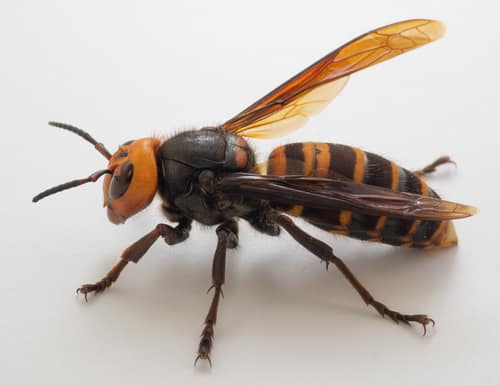
Predator (c) Yasunori Koide, some rights reserved (CC BY-SA) · cc-by-sa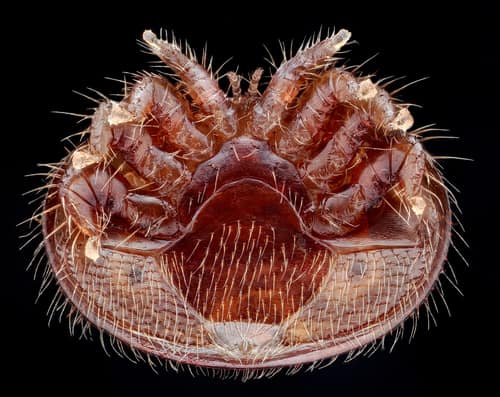
Parasite (c) Gilles San Martin, some rights reserved (CC BY-SA), uploaded by Gilles San Martin · cc-by-sa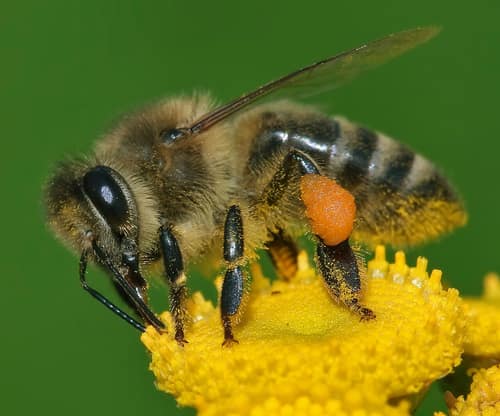
Close Relative Andreas Trepte / CC BY-SA 2.5 · cc-by-sa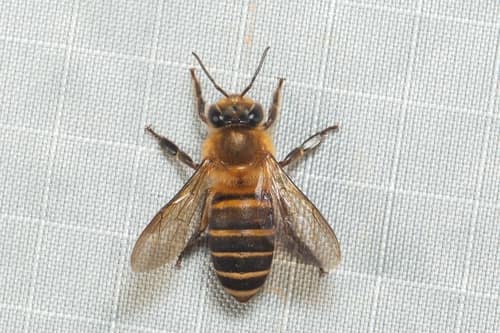
Close Relative (c) dhfischer, some rights reserved (CC BY), uploaded by dhfischer · cc-by
Help improve the field guideSomething wrong?
Checking your Fauna account…Report a name, category, or profile issue for review.