
Insect
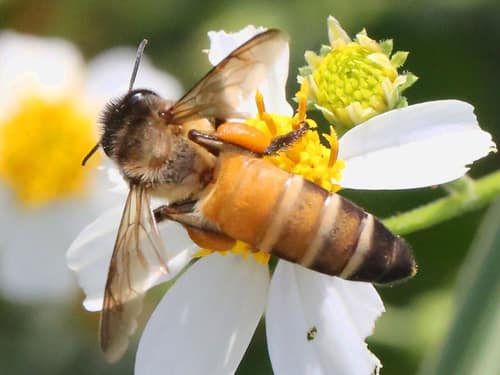
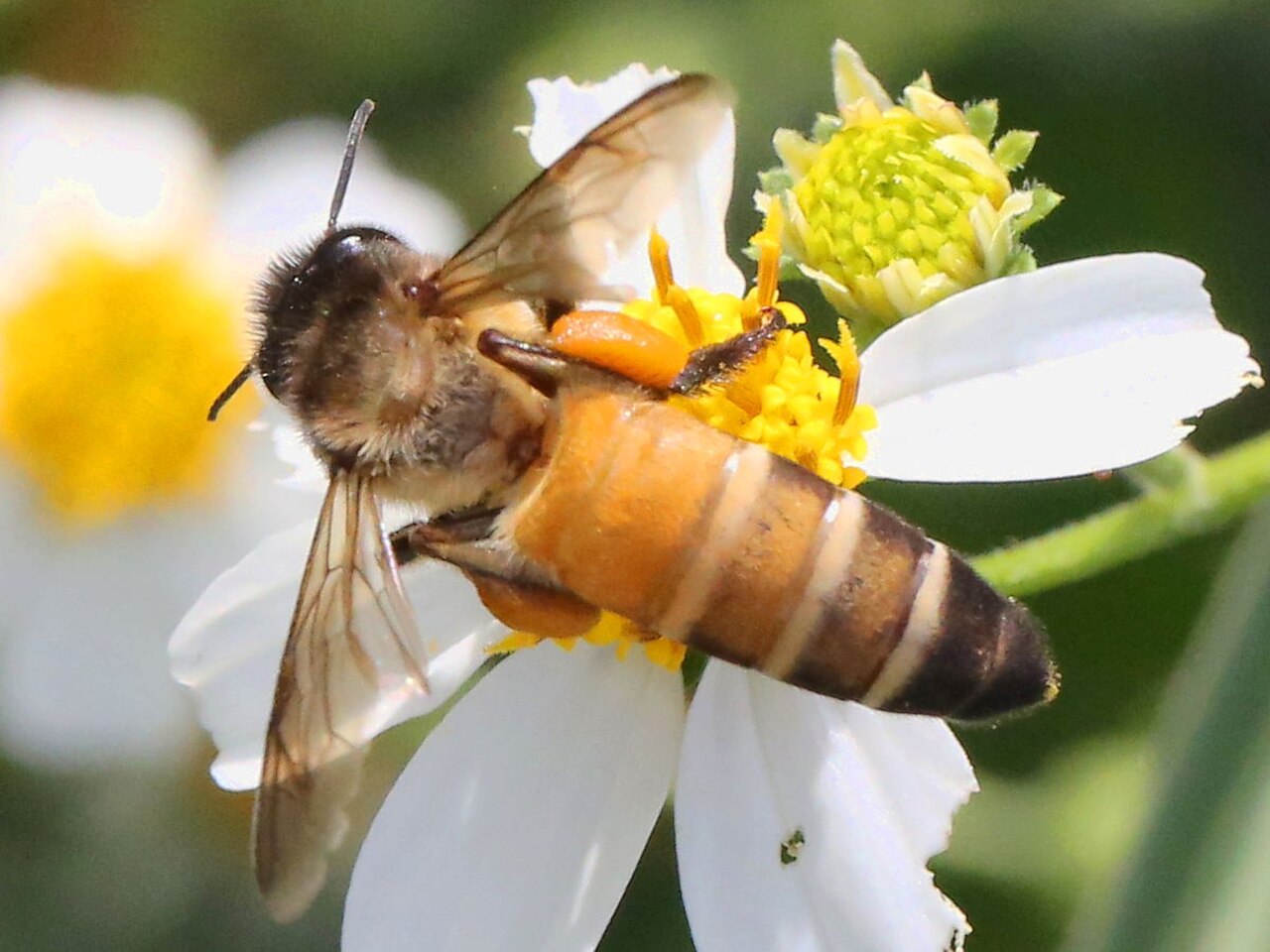
Giant Honey Bee
Apis dorsataAlso known as Rock Bee
The Giant Honey Bee is a large social bee that builds a single exposed comb beneath a high branch, cliff overhang, or structure. Thousands of workers can ripple across the comb in coordinated waves when a colony detects a threat.
Social BeeExposed CombLong-range Forager
—observations
—countries
—peak records
Not EvaluatedConservation statusIUCN Red List categoriesLCNTVUENCREWEXNot Evaluated — not placed on the risk ladderRed List categories, explained →
Diet & preyAdults gather flower nectar and pollen; larvae receive processed colony food
Predators
- Honey buzzards
- Bee-eaters
- Hornets
ThreatsDestructive honey harvest, pesticide exposure, loss of nesting trees, fire, and disturbance of colonies
HabitatsTropical and subtropical forest, cliffs, mangroves, farmland, gardens, and tall urban structures
Life spanWorkers live for weeks to months; queens can survive for several years
Classification
- OrderHymenoptera
- FamilyApidae
- GenusApis
- SpeciesApis dorsata
Range data is not available yet.
Interaction riskLow
- Low
- Moderate
- High
- Very high
- Why interaction risk is low
- Colonies defend exposed combs with mass stinging, and venom can trigger life-threatening anaphylaxis.
- Why it is dangerous
- A disturbed colony can release many stinging workers, and bee venom may cause severe allergic shock.
- How to recognize a risky encounter
- Look for unusually large honey bees covering one broad exposed comb high above the ground.
- What to do
- Never approach, strike, smoke, or harvest a colony; retreat indoors or to shelter if bees mass around you.
Responsible observation
- Distance: View any comb from far outside the bees' flight corridor.
- Behavior: Retreat calmly if workers begin coordinated shimmering or approach repeatedly.
- Emergency: After breathing trouble or widespread swelling, call emergency services immediately.
Keep collecting in Fauna
Found in Collections
Ecosystem chain Pro
Mystic Meadows
Giant Honey Bee is found in this collection. Identify it in Fauna to fill this slot and continue your progress.
Unlock to track progress
Help improve the field guideSomething wrong?
Checking your Fauna account…Report a name, category, or profile issue for review.