
Insect
Ancient Bumble Bee
Bombus senexAncient bumble bees inhabit tropical montane and lowland rainforests of Southeast Asia, representing an unusual evolutionary lineage adapted to warm, humid environments. Unlike their temperate counterparts that die back each winter, colonies in these stable climates can persist across multiple seasons and produce massive nests in the forest canopy or underground cavities. Workers forage diligently on canopy blossoms, using buzz pollination to release pollen from specialized tropical flora.
PollinatorTropicalSocial
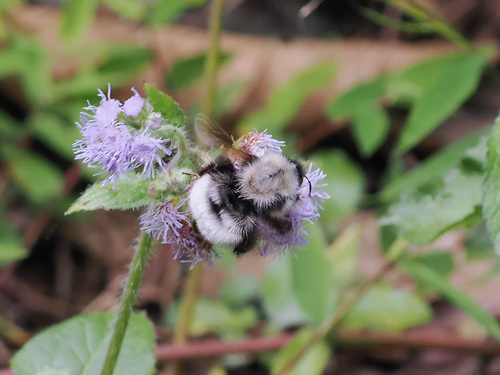
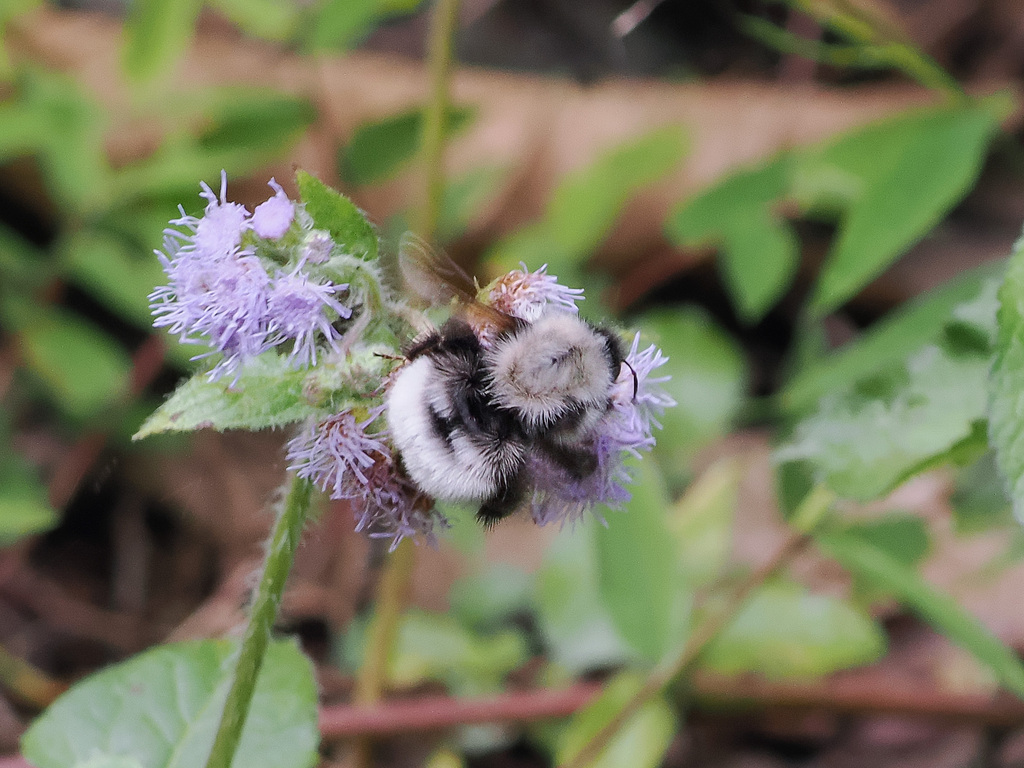
—observations
—countries
—peak records
Data DeficientConservation statusIUCN Red List categoriesLCNTVUENCREWEXData Deficient — not placed on the risk ladderRed List categories, explained →
Diet & preyFloral nectar, Pollen
Predators
- Crab spiders
- Bee-eaters
- Mantises
ThreatsDeforestation, habitat fragmentation, and climate warming
HabitatsTropical montane and lowland evergreen rainforests
Life spanColonies persist several years; workers live 4–8 weeks
Classification
- FamilyApidae
- SpeciesBombus senex
Range data is not available yet.
Interaction riskLow
- Low
- Moderate
- High
- Very high
- Why interaction risk is low
- Females can sting defensively if handled or if their nest is disturbed; observe foraging bees from a calm distance.
- Why it is dangerous
- Females possess a smooth venomous sting that injects peptides and histamines, which can trigger severe anaphylaxis in sensitized individuals.
- How to recognize a risky encounter
- Look for a large, robust, densely fuzzy bee with dark coloration foraging on tropical blossoms.
- What to do
- Do not attempt to catch or swat foraging bees; give active nests a wide berth.
Responsible observation
- Flower watching: Look for workers visiting canopy flowers or flowering vines along tropical forest margins.
- Gentle observation: Remain calm and quiet near foraging workers, as they ignore observers unless swatted or physically trapped.
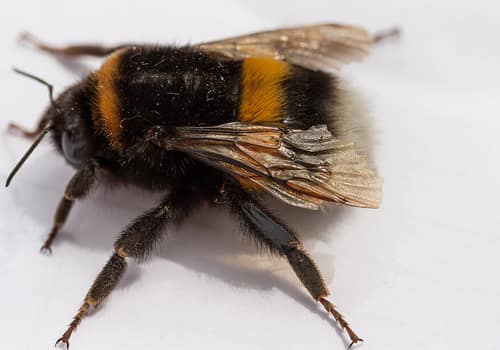
Same Genus Marco Almbauer / CC0 · cc0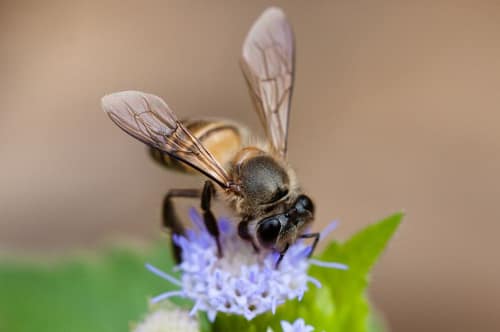
Frequent Companion Rushenb / CC BY-SA 3.0 · cc-by-sa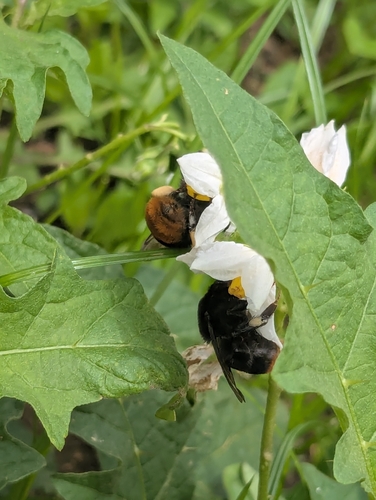
Close Relative no rights reserved · cc0
Help improve the field guideSomething wrong?
Checking your Fauna account…Report a name, category, or profile issue for review.