
Insect · GBIF taxon 1340503
Buff-tailed Bumblebee
Bombus terrestrisAlso known as Large Earth Bumblebee, Buff Tailed Bumblebee
Buff-tailed bumblebees form bustling underground colonies that can count hundreds of individuals, led by a single large queen who establishes her nest in abandoned rodent burrows in early spring. Workers perform rapid buzz pollination by vibrating their flight muscles against flower anthers, shaking loose dense clouds of pollen that few other insects can access. As important wild pollinators and widespread commercial crop partners, these robust insects maintain vital links across European agricultural and natural ecosystems.
PollinatorSocialFuzzy
—observations
—countries
—peak records
Least ConcernConservation statusIUCN Red List categoriesLCNTVUENCREWEXLeast ConcernRed List categories, explained →
Diet & prey
- Floral nectar
- Pollen
Predators
- Crab spiders
- Great corsair flies
- Insectivorous birds
ThreatsPesticide exposure, habitat loss, diseases spread by commercial hives
HabitatsGardens, meadows, hedgerows, open woodland, agricultural fields
Life spanQueens up to 1 year; workers and males 4 to 8 weeks
Size / weightNot available
Classification
- OrderHymenoptera
- FamilyApidae
- GenusBombus
- SpeciesBombus terrestris
Range data is not available yet.
Interaction riskLow
- Low
- Moderate
- High
- Very high
- Why interaction risk is low
- Females can sting defensively if handled or squished; observe quietly without disturbing nest entrances.
- Why it is dangerous
- Females carry a smooth sting capable of injecting venom multiple times, posing a serious anaphylaxis threat to allergic individuals.
- How to recognize a risky encounter
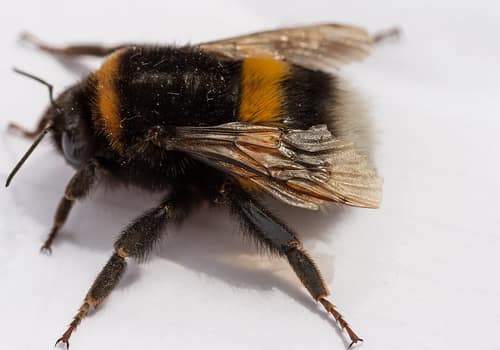
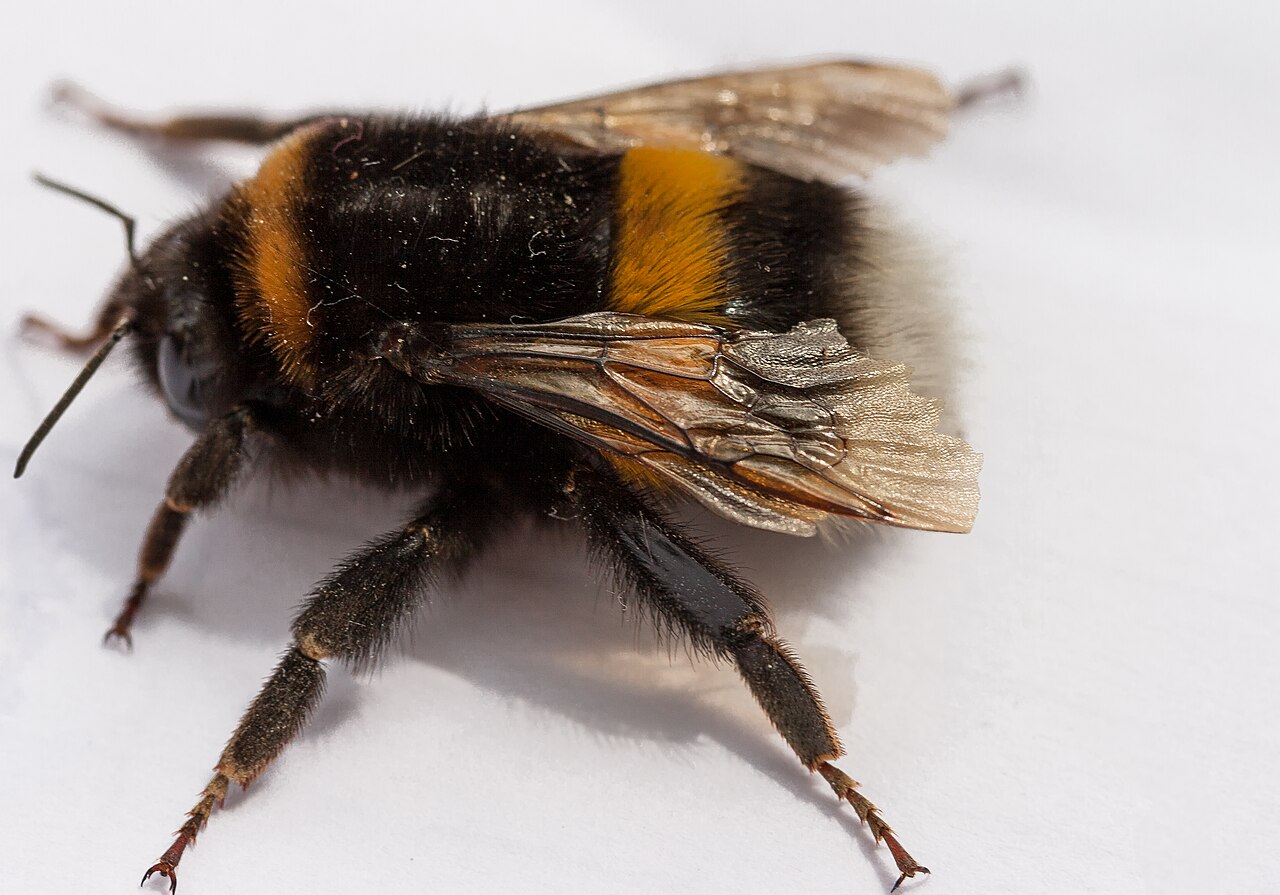
- Look for a thick fuzzy body with dark yellow bands across the chest and abdomen, ending in a dirty white or buff tail.
- What to do
- Maintain a gentle distance from subterranean nest burrows and avoid swatting at active foragers.
Responsible observation
- Spring queen sightings: Give large queens searching near ground level space to locate suitable underground nest sites.
- Nectar gardens: Plant deep-throated flowers such as foxgloves, clover, and lavender to support foraging workers.
- Observing workers: Watch foragers closely on blooms, as they rarely sting unless trapped or physically crushed.
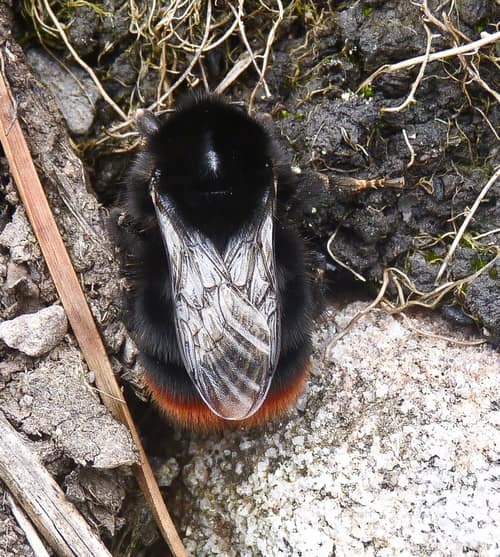
Congener (c) Odd Wellies, some rights reserved (CC BY) · cc-by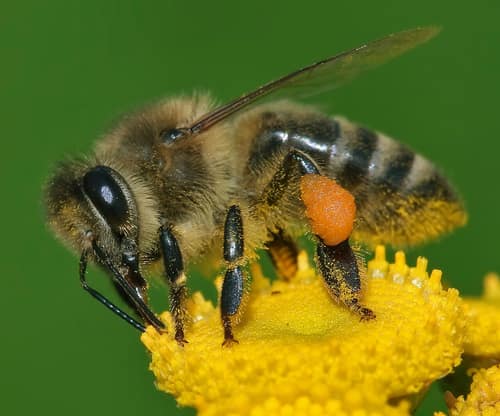
Pollinator Competitor Andreas Trepte / CC BY-SA 2.5 · cc-by-sa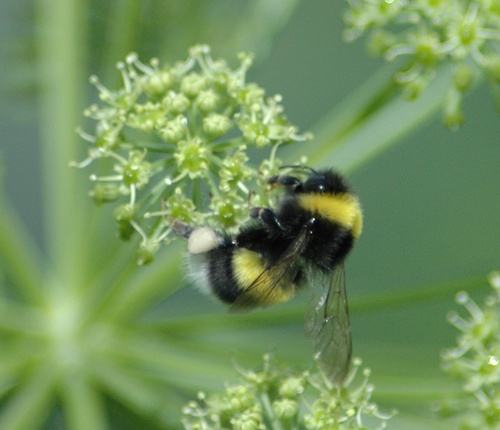
Close Relative (c) Syd Cannings, some rights reserved (CC BY), uploaded by Syd Cannings · cc-by
Help improve the field guideSomething wrong?
Checking your Fauna account…Report a name, category, or profile issue for review.