Common carder bumble bees are distinctive among bumblebees for their nesting technique, using their mandibles to card or comb together moss and dry grass into a cozy surface thatch rather than tunneling deep underground. Their remarkably long tongues allow them to drink nectar from deep tubular flowers that shorter-tongued bees cannot exploit. Because colonies persist late into autumn, these resilient foragers serve as vital pollinators from the first willow catkins of March to the final ivy blooms of October.
ThreatsPesticide usage, habitat loss, and intensified agricultural mowing
HabitatsMeadows, grasslands, gardens, hedgerows, and woodland edges
Life spanQueens live up to 1 year; workers live 4–6 weeks
Classification
FamilyApidae
SpeciesBombus pascuorum
Range & activity
Range data is not available yet.
Safe observation
Interaction riskLow
Low
Moderate
High
Very high
Why interaction risk is low
Docile while foraging, but females can sting defensively; sting carries severe allergen risk for sensitized individuals.
Why it is dangerous
Females possess a smooth, unbarbed sting capable of delivering apitoxin repeatedly, which causes intense localized pain and can trigger fatal anaphylaxis in allergic individuals.
How to recognize a risky encounter
Recognize by the all-over ginger or tawny thorax, yellowish-brown abdomen, lack of a pure white tail tip, and low-pitched flight buzz.
What to do
Give active nests a wide berth, avoid sudden swatting motions around flowers, and seek prompt emergency care if stung and experiencing breathing difficulties.
Responsible observation
Garden Planting: Grow long-tubed flowers like white dead-nettles, clover, and sage to support foragers across seasons.
Quiet Observation: Watch workers on blossoms from close range; they remain calm unless physically restrained.
Lawn Management: Leave small patches of long grass and moss intact to create ideal surface nesting areas.

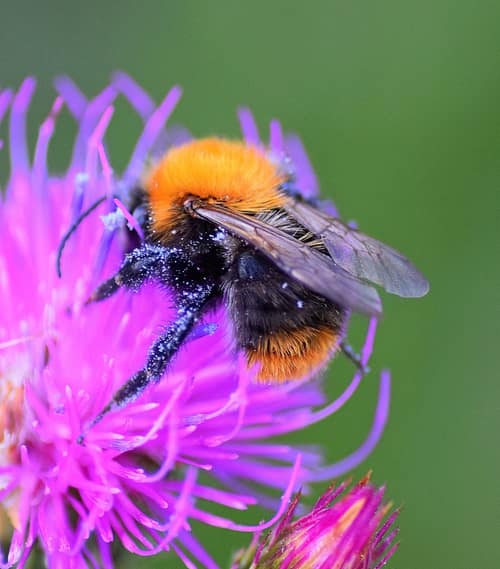
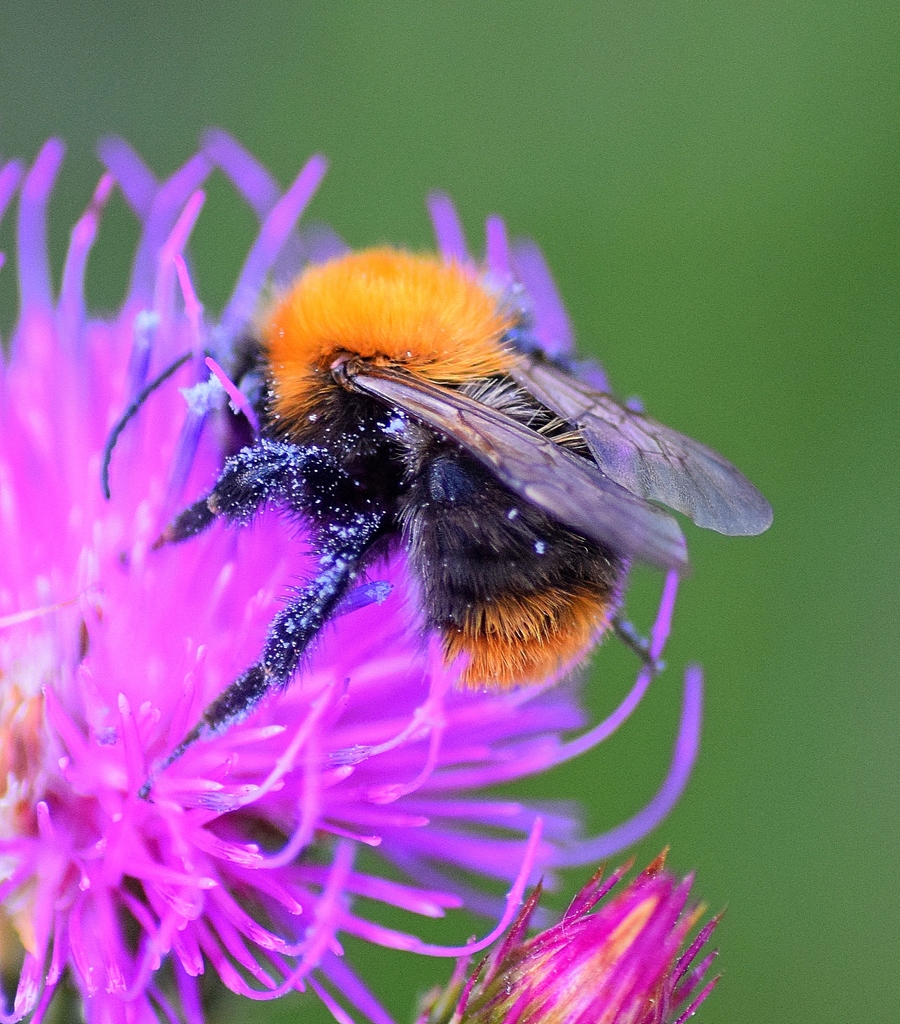
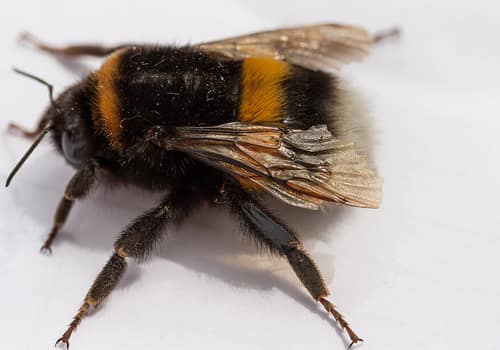
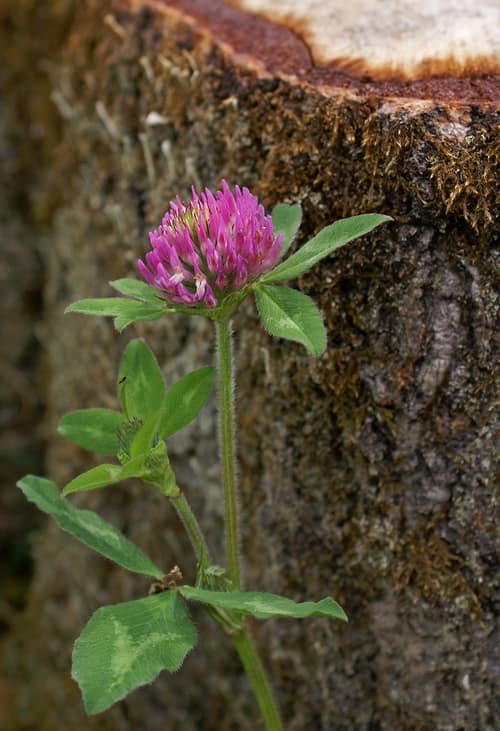
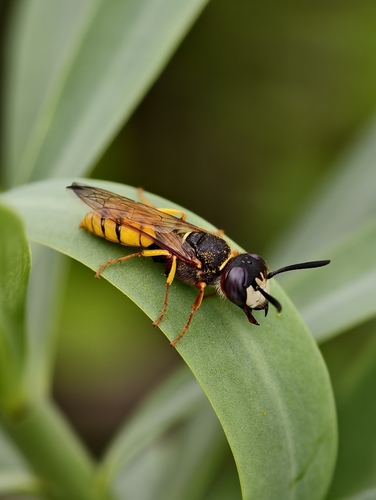
 Image unavailable