
Insect · GBIF taxon 1340367
Arctic Bumblebee
Bombus polarisAlso known as Polar Bumblebee
Arctic bumblebees navigate some of the harshest conditions on Earth, emerging from winter hibernacula while snow still covers much of the high tundra. Queens shiver their massive wing muscles to generate metabolic heat, raising body temperatures well above ambient air to fly in near-freezing weather. Dense, plush hair coats their entire bodies to trap warmth, enabling them to pollinate critical polar flora during a brief summer window.
ArcticPollinatorCold-Adapted
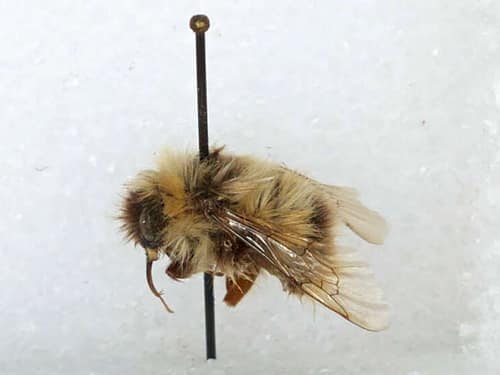
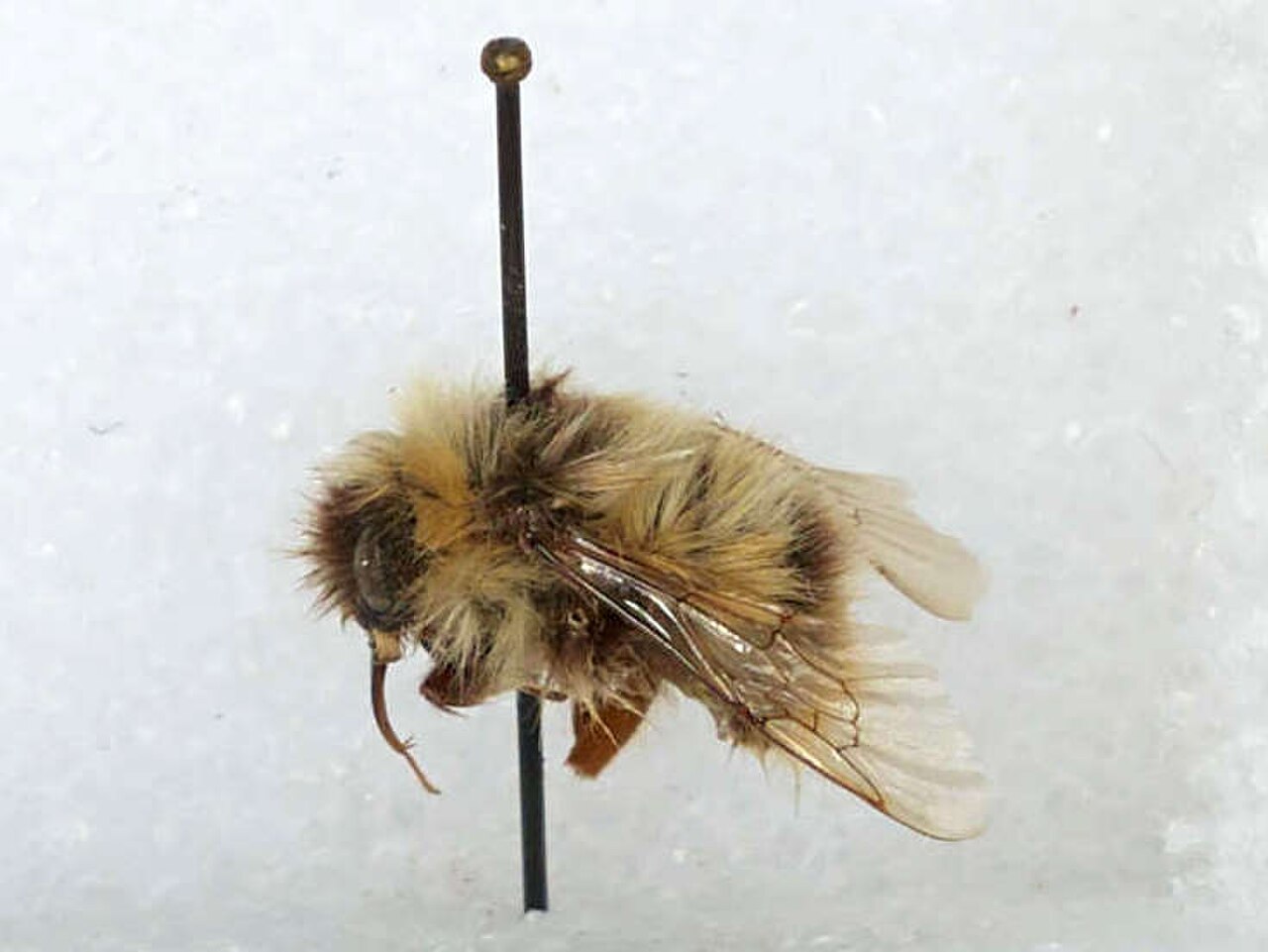
—observations
—countries
—peak records
Data DeficientConservation statusIUCN Red List categoriesLCNTVUENCREWEXData Deficient — not placed on the risk ladderRed List categories, explained →
Diet & prey
- Nectar
- Pollen
Predators
- Passerine Birds
- Arctic Terns
- Ground Spiders
ThreatsClimate change, shifting flower bloom schedules, and extreme weather events
HabitatsHigh Arctic tundra, polar desert, and alpine dwarf-shrub heath
Life span1 year for queens; 1 to 2 months for workers
Size / weightNot available
Classification
- FamilyApidae
- SpeciesBombus polaris
Range data is not available yet.
Interaction riskLow
- Low
- Moderate
- High
- Very high
- Why interaction risk is low
- Defensive queens and workers can sting if squeezed or if nests are disturbed; observe from a respectful distance.
- Why it is dangerous
- Females possess stingers and venom that can provoke localized pain or severe allergic reactions in sensitive individuals.
- How to recognize a risky encounter
- Recognize by dense, velvety hair covering the body with dark black and yellowish-orange bands on tundra blossoms.
- What to do
- Observe quiet foraging individuals without interference, and never disturb insulated ground nests.
- What to notice
- Identified by extraordinarily thick fur coats and active foraging in cold, windy arctic environments.
- Support conservation
- Tread lightly on fragile arctic mosses and lichen, giving busy queens plenty of space to collect pollen.
Responsible observation
- Cold Weather Observation: Look for queens basking on dark, solar-heated rocks or low-lying flowers on sunny tundra days.
- Listen For Flying Bees: A deep, heavy buzz often announces flight before the thick, dark-and-orange coat becomes visible.
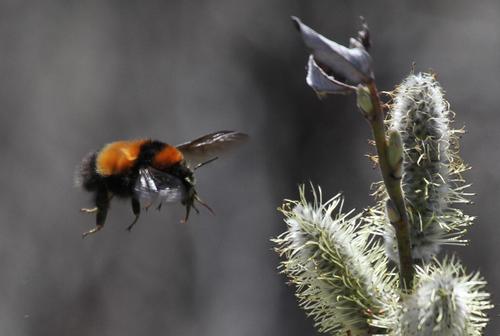
Parasite (c) Jan Ove Gjershaug/Norsk institutt for naturforskning, some rights reserved (CC BY) · cc-by
Host Plant Dani.j.lombardi / CC BY-SA 4.0 · cc-by-sa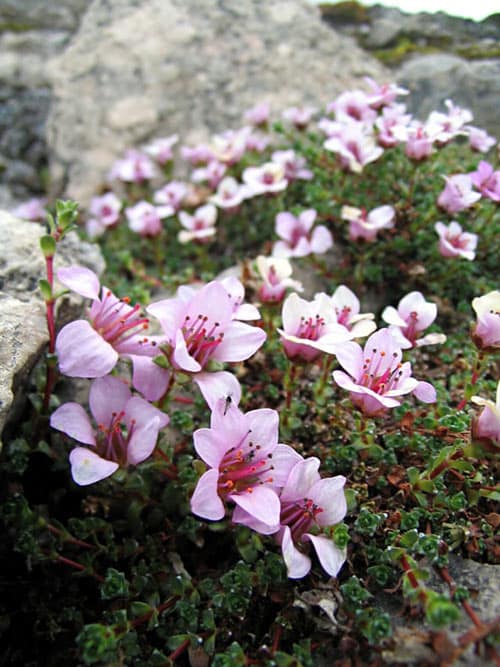
Host Plant Wikimedia Commons / CC BY-SA 3.0 · cc-by-sa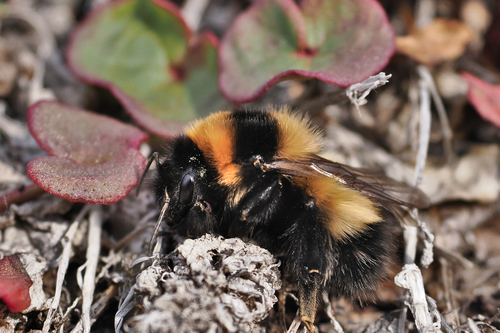
Close Relative no rights reserved, uploaded by steve b · cc0
Help improve the field guideSomething wrong?
Checking your Fauna account…Report a name, category, or profile issue for review.