
Insect · GBIF taxon 1340324
Great Basin Bumble Bee
Bombus centralisAlso known as Central Bumblebee, Central Bumble Bee
Great Basin bumble bees feature striking rust-red and yellow hair bands across their abdomens, contrasting with a long, narrow face adapted for deep flowers. Queens emerge early in spring to construct solitary underground nests in abandoned rodent burrows before rearing worker daughters to sustain the colony. They serve as critical native pollinators across the arid scrub, sagebrush, and mountain slopes of western North America.
PollinatorFluffyMontane
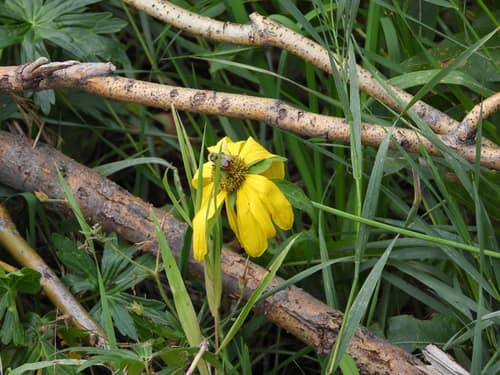
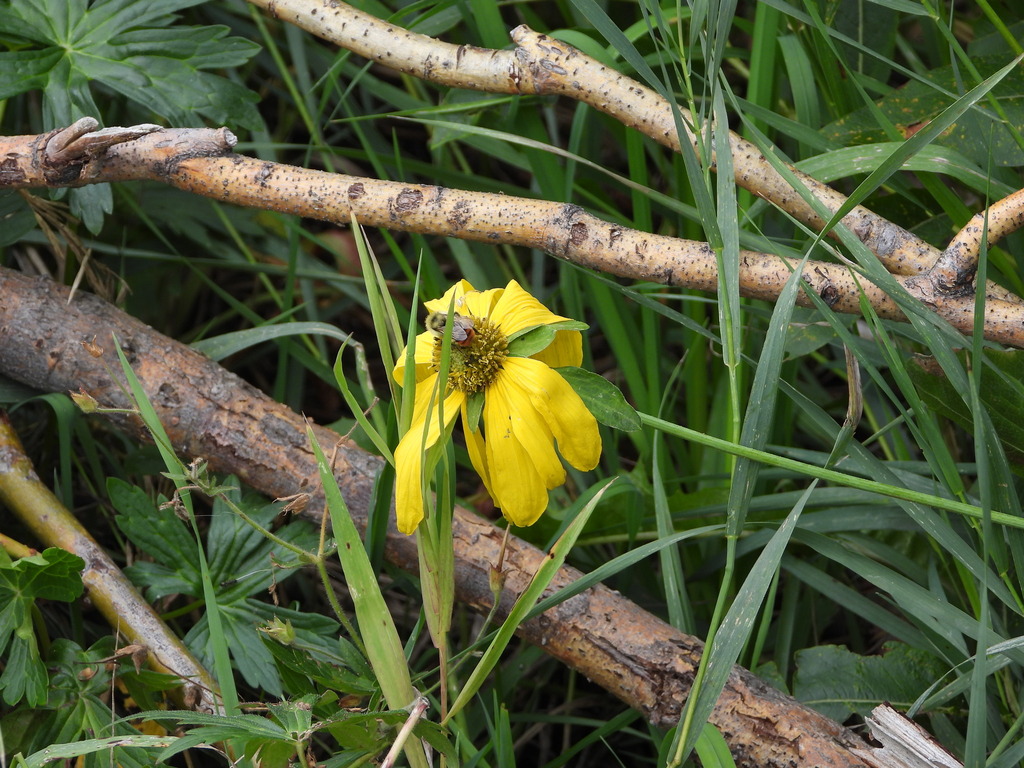
—observations
—countries
—peak records
Least ConcernConservation statusIUCN Red List categoriesLCNTVUENCREWEXLeast ConcernRed List categories, explained →
Diet & prey
- Nectar
- Pollen
Predators
- Crab Spiders
- Robber Flies
- Western Tanagers
ThreatsHabitat fragmentation, pesticide exposure, climate warming, and disease transfer from managed bees
HabitatsSagebrush steppe, arid scrublands, montane meadows, and open pine forests
Life spanQueens live up to 1 year; workers live 2 to 6 weeks
Size / weightNot available
Classification
- FamilyApidae
- SpeciesBombus centralis
Range data is not available yet.
Interaction riskLow
- Low
- Moderate
- High
- Very high
- Why interaction risk is low
- Females can sting defensively if squeezed or swatted; observe gently from a short distance.
Responsible observation
- Spotting: Look for bright rust-red bands on the abdomen while bees visit deep tubular flowers.
- Approach: Move smoothly around feeding bees, as they rarely sting while actively foraging.
- Gardening: Plant native penstemons, legumes, and composites to provide continuous spring-to-fall floral resources.
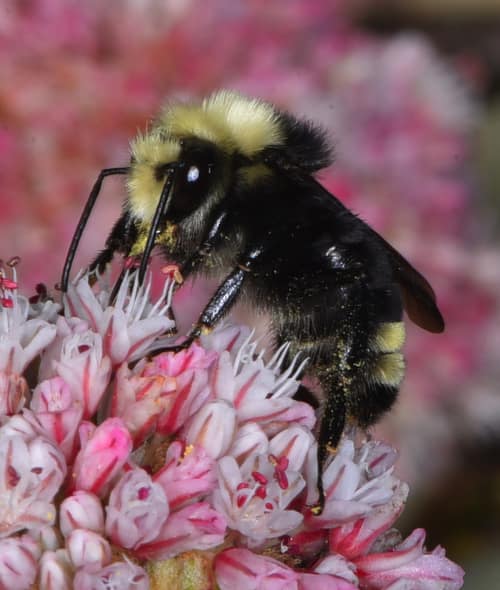
Frequent Companion (c) Don Loarie, some rights reserved (CC BY) · cc-by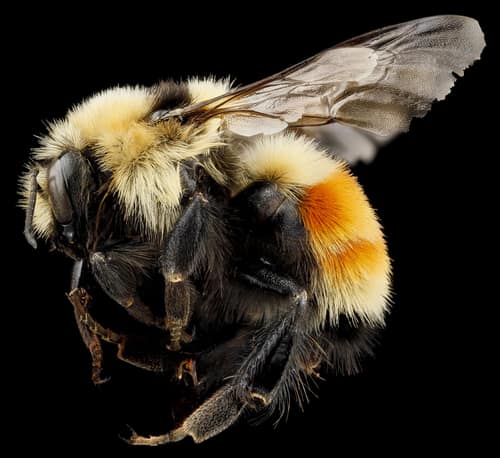
Close Relative no rights reserved, uploaded by USGS Bee Inventory and Monitoring Lab · cc0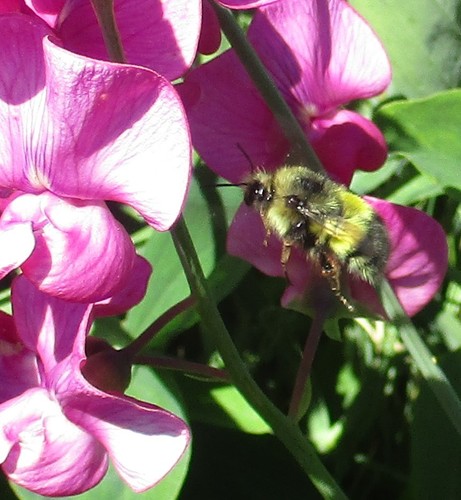
Close Relative (c) sprcrkwild, some rights reserved (CC BY) · cc-by
Help improve the field guideSomething wrong?
Checking your Fauna account…Report a name, category, or profile issue for review.