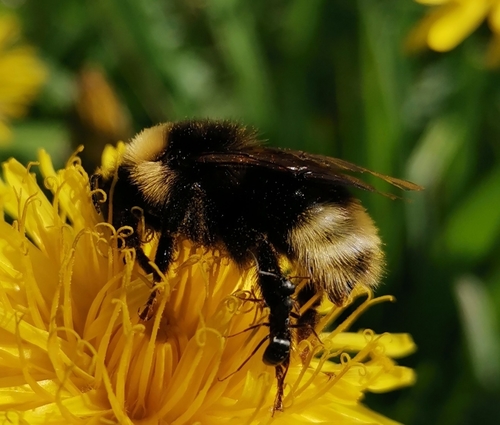
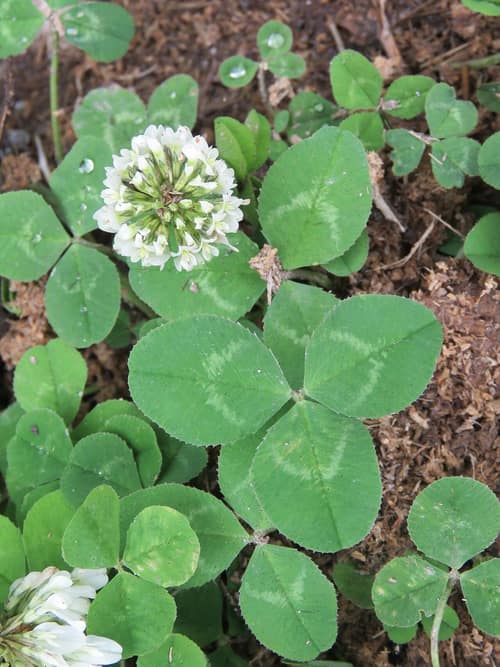
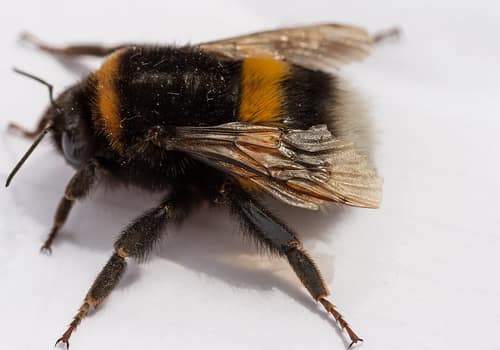
White-tailed bumble bees are among the earliest spring emergents across Eurasia, with large mated queens establishing subterranean colonies in abandoned rodent burrows. Workers forage enthusiastically on a wide variety of flora, using powerful flight muscle vibrations known as buzz pollination to shake pollen free from stubborn blooms. They belong to a cryptic species complex that is visually indistinguishable in the field from several close relatives without microscopic or genetic inspection.
ThreatsPesticide exposure, floral habitat loss, and pathogens spread by commercial bees
HabitatsMeadows, heathlands, grasslands, open woodlands, and urban gardens
Life spanColonies survive 6–8 months; overwintering queens live up to 1 year
Size / weightNot available
Classification
OrderHymenoptera
FamilyApidae
GenusBombus
SpeciesBombus lucorum
Range & activity
Range data is not available yet.
Safe observation
Interaction riskVery high
Low
Moderate
High
Very high
Why interaction risk is very high
Females can sting if stepped on or defending nests; maintain distance around subterranean colonies.
Why it is dangerous
Females possess an unbarbed stinger capable of delivering venom rich in mellitin and apamin, potentially causing severe systemic allergic reactions in sensitized individuals.
How to recognize a risky encounter
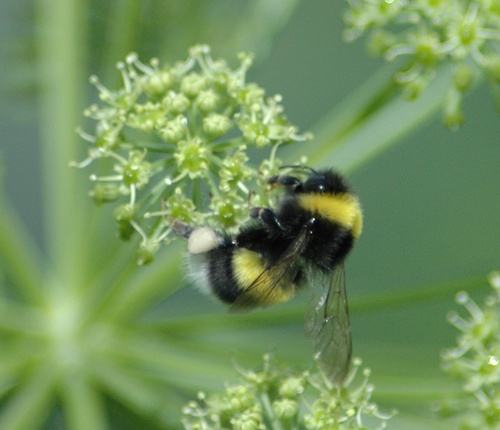
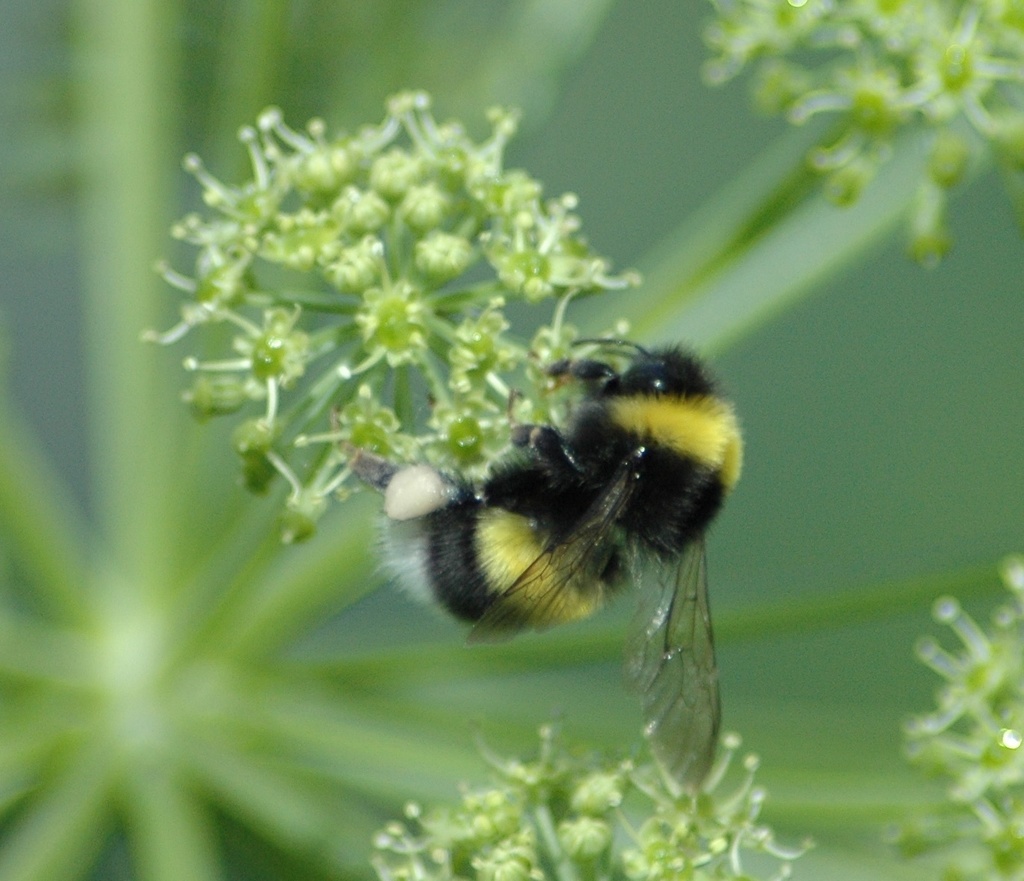
Recognize workers and queens by their bright lemon-yellow bands across the collar and abdomen paired with a clean, snow-white tail end.
What to do
Allow foraging bees to feed undisturbed, and step back immediately if a buzzing individual raises a midleg in a defensive posture.
Responsible observation
Observation: Approach calmly while bees forage on blossoms, as workers on flowers rarely show aggression.
Garden Support: Plant nectar-rich perennial blooms such as heather and lavender to supply food from early spring to autumn.
Nest Protection: Watch for low-flying insect traffic around mouse holes and compost piles to avoid disturbing hidden colonies.

 1 / 7
1 / 7 Image unavailable