
Insect · GBIF taxon 1327189
Dinosaur Ant
Nothomyrmecia macropsAlso known as Dawn Ant
Widely regarded as a living fossil among social insects, this ancient ant retains primitive anatomical features such as unspecialized abdominal segments and rudimentary social communication. Workers emerge strictly on chilly nights when temperatures drop below ten degrees Celsius, allowing them to hunt solitary insects while thermophilic competitors remain dormant. Colonies consist of only a few dozen to a hundred individuals nesting underground beneath the roots of old-growth Eucalyptus trees.
NocturnalRareLiving Fossil
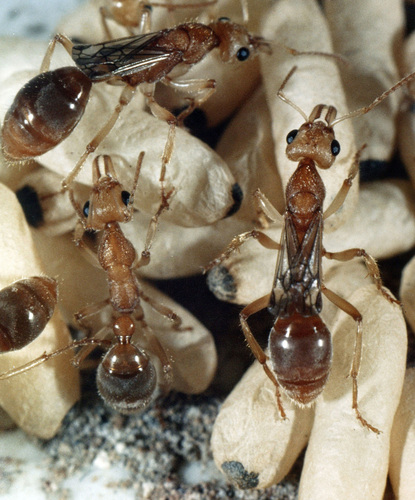
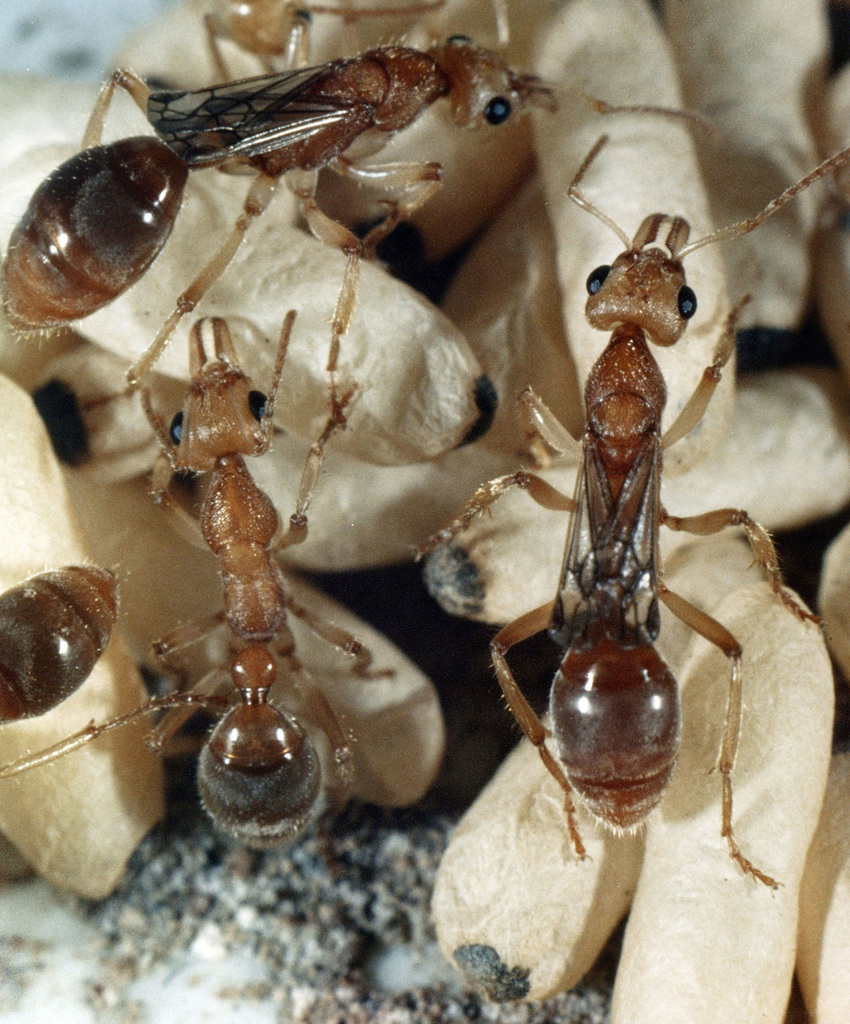
Licensed reference(c) CSIRO, some rights reserved (CC BY) · cc-by
—observations
—countries
—peak records
Critically EndangeredConservation statusIUCN Red List categoriesLCNTVUENCREWEXCritically EndangeredRed List categories, explained →
Diet & prey
- Small insects
- Eucalyptus sap
- Floral nectar
Predators
- Spiders
- Birds
- Lizards
ThreatsHabitat clearing, altered fire regimes, and rising temperatures from climate change
HabitatsOld-growth mallee and Eucalyptus woodlands
Life spanWorkers 1–2 years; queens several years
Classification
- FamilyFormicidae
- SpeciesNothomyrmecia macrops
Range data is not available yet.
Interaction riskLow
- Low
- Moderate
- High
- Very high
- Why interaction risk is low
- Safe to observe at a normal distance.
- What to notice
- Look for a pale yellowish body, disproportionately large compound eyes, and slender hunting mandibles.
- Support conservation
- Never disturb nest sites or dig into soil, and report verified sightings directly to conservation authorities.
Responsible observation
- Nocturnal search: Scan mallee tree trunks with a red flashlight on cold nights below ten degrees Celsius.
- Habitat protection: Avoid stepping on ground litter or overturning fallen mallee wood where nest entrances hide.
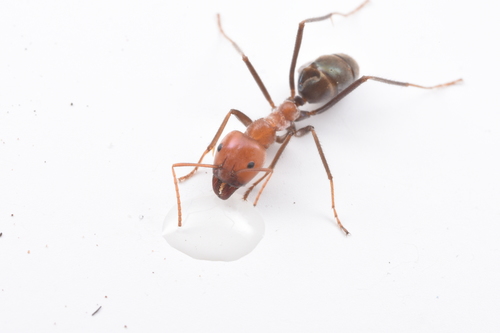
Competitor (c) Jonghyun Park, some rights reserved (CC BY), uploaded by Jonghyun Park · cc-by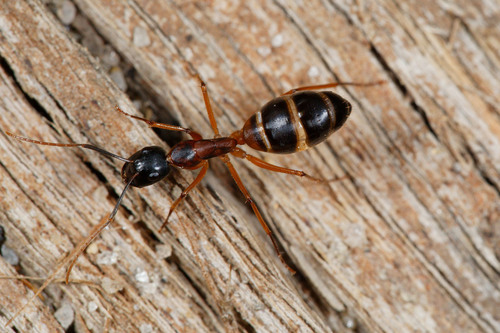
Competitor (c) Lek Khauv, some rights reserved (CC BY), uploaded by Lek Khauv · cc-by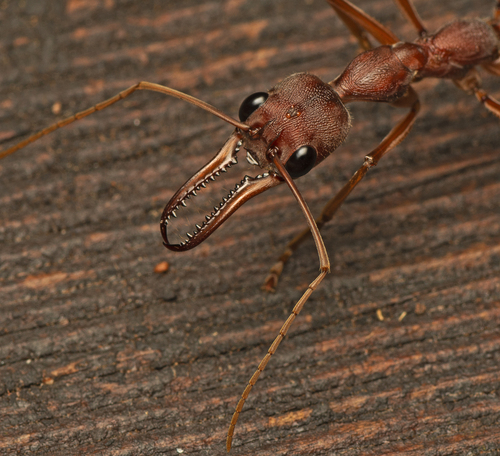
Primitive Relative (c) Tony Eales, some rights reserved (CC BY-SA), uploaded by Tony Eales · cc-by-sa
Help improve the field guideSomething wrong?
Checking your Fauna account…Report a name, category, or profile issue for review.