
Insect · GBIF taxon 1327098
Graceful Twig Ant
Pseudomyrmex gracilisAlso known as Mexican Twig Ant, Slender Twig Ant, Elongated Twig Ant
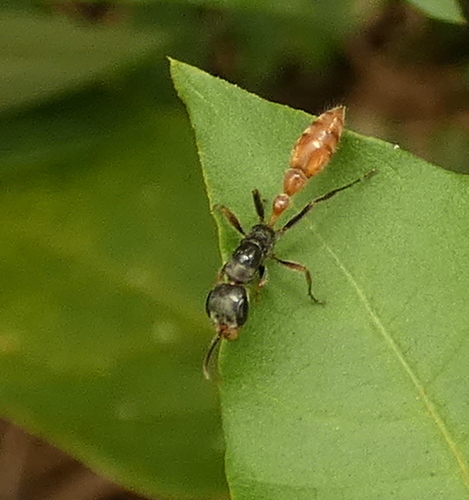
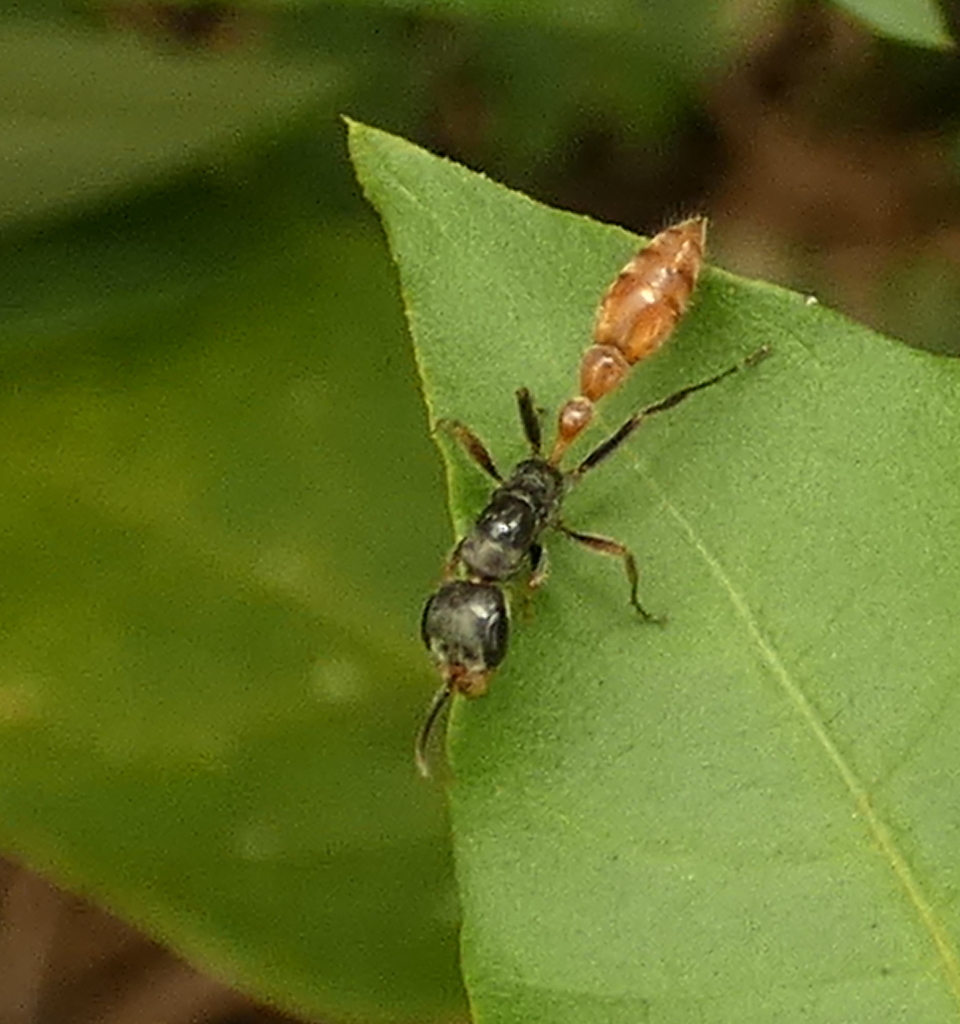
Graceful twig ants are slender, solitary foragers known for their jerky, wasp-like movements and keen eyesight. They nest inside hollow twigs, plant stems, and abandoned beetle burrows, where small colonies defend their arboreal territory against intruders. While mostly predatory on small arthropods, adults frequently tend scale insects and lap nectar from floral and extrafloral nectaries.
ArborealDiurnalWasp-like
 1 / 7
1 / 7—observations
—countries
—peak records
Not EvaluatedConservation statusIUCN Red List categoriesLCNTVUENCREWEXNot Evaluated — not placed on the risk ladderRed List categories, explained →
Diet & prey
- Small insects
- Honeydew
- Plant nectar
Predators
- Lizards
- Spiders
- Insectivorous Birds
ThreatsHabitat destruction and extreme freezing weather
HabitatsArid shrublands, tropical forests, suburban gardens, and coastal thickets
Life span1–3 years for workers; several years for queens
Size / weightNot available
Classification
- OrderHymenoptera
- FamilyFormicidae
- GenusPseudomyrmex
- SpeciesPseudomyrmex gracilis
Range data is not available yet.
Interaction riskVery high
- Low
- Moderate
- High
- Very high
- Why interaction risk is very high
- Delivers a painful defensive sting if pressed or crushed; observe foraging workers on foliage without touching.
- Why it is dangerous
- Delivers a venomous sting containing proteins that trigger immediate, severe local pain and localized swelling.
- How to recognize a risky encounter
- Recognized by its long bi-colored body, dark head and abdomen, orange thorax, and large prominent eyes.
- What to do
- Watch foliage carefully before trimming garden shrubs, and never pick up foraging workers by hand.
Responsible observation
- Spotting: Scan sunny foliage, twigs, and garden shrubs during warm afternoons to watch their fast, darting movements.
- Safety: Check branches before leaning against bushes or pruning vegetation to avoid accidental stings.
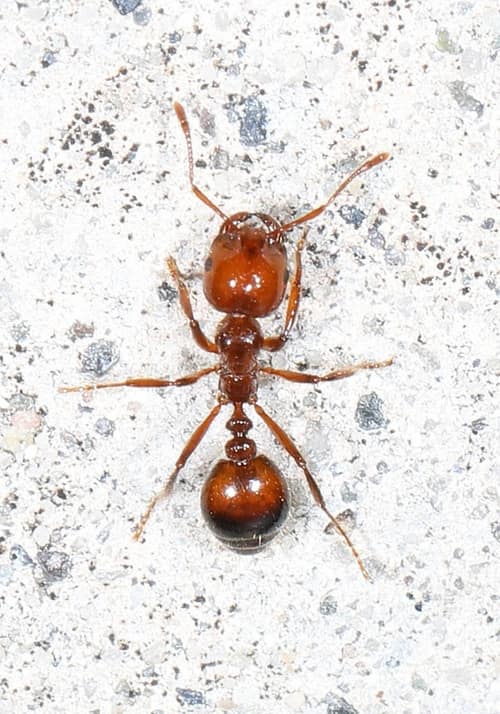
Competitor (c) Judy Gallagher, some rights reserved (CC BY) · cc-by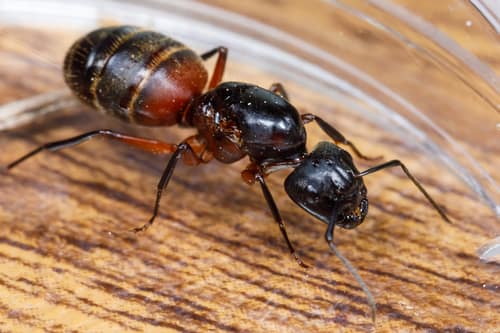
Frequent Companion (c) Meghan Cassidy, some rights reserved (CC BY-SA), uploaded by Meghan Cassidy · cc-by-sa Image unavailable
Close Relative
Help improve the field guideSomething wrong?
Checking your Fauna account…Report a name, category, or profile issue for review.