
Insect · GBIF taxon 1325372
Red Harvester Ant
Pogonomyrmex barbatusAlso known as Red Ant, Agricultural Ant
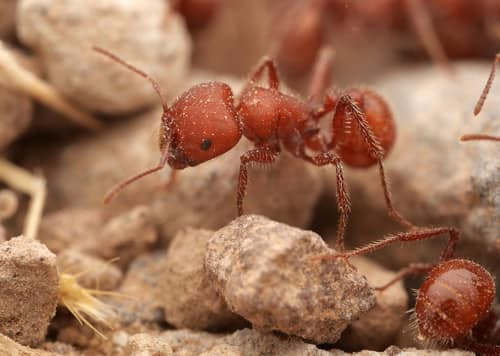
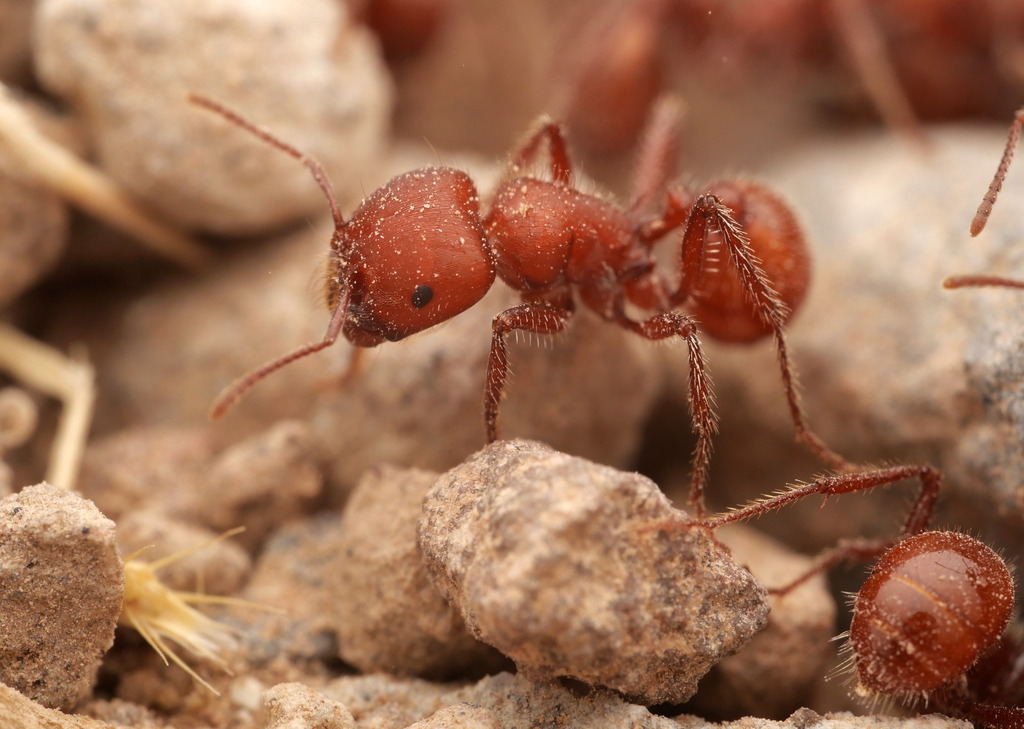
Red harvester ants are industrious seed collectors that play a vital ecological role as seed dispersers across arid western landscapes. Workers clear large, vegetation-free discs around their subterranean nest entrances, creating distinctive circular clearings in grasslands and chaparral. When threatened, they defend their colonies aggressively with powerful mandibles and painful venomous stings.
VenomousDesert WildlifeSeed Collector
—observations
—countries
—peak records
Not EvaluatedConservation statusIUCN Red List categoriesLCNTVUENCREWEXNot Evaluated — not placed on the risk ladderRed List categories, explained →
Diet & prey
- Grass Seeds
- Wildflower Seeds
- Dead Insects
Predators
- Texas Horned Lizard
- Northern Flicker
- Spiders
ThreatsInvasive ant species, habitat loss, and agricultural pesticides
HabitatsArid chaparral, deserts, and open grasslands
Life spanWorkers live 1–3 years; queens can live up to 30 years
Size / weightNot available
Classification
- FamilyFormicidae
- SpeciesPogonomyrmex barbatus
Range data is not available yet.
Interaction riskVery high
- Low
- Moderate
- High
- Very high
- Why interaction risk is very high
- Delivers a very painful venomous sting; keep a respectful distance from active nest mounds.
- Why it is dangerous
- Injects a potent peptide venom that causes severe, lingering pain, swelling, and potential allergic reactions in sensitive individuals.
- How to recognize a risky encounter
- Recognized by its bright reddish-brown body, large boxy head, and large cleared dirt discs around mound openings.
- What to do
- Watch foraging trails from a short distance and never step on or disturb nest mounds.
Responsible observation
- Spotting Nests: Look for wide, cleared circles of bare soil with a central entrance hole.
- Maintaining Distance: Avoid standing near nest openings to prevent defensive stings.
- Observing Foragers: Watch worker trails in the morning as they transport seeds back to the nest.
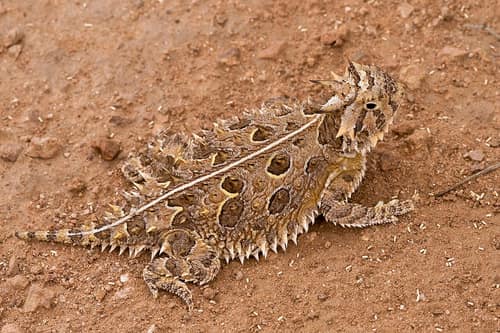
Predator Patrick Alexander from Las Cruces, NM / CC0 · cc0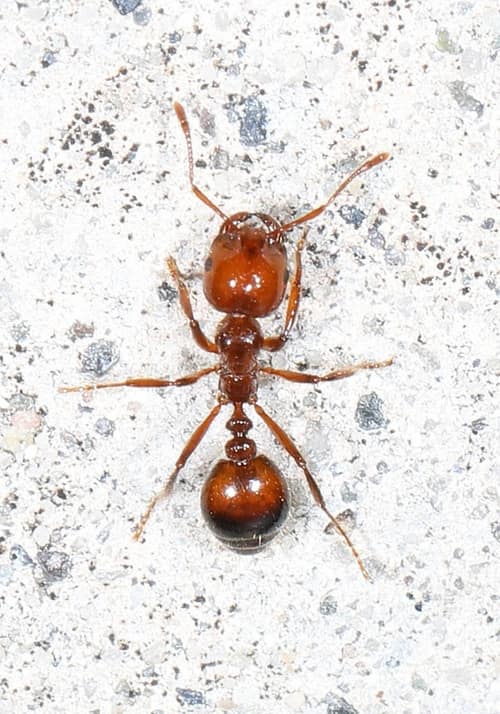
Competitor (c) Judy Gallagher, some rights reserved (CC BY) · cc-by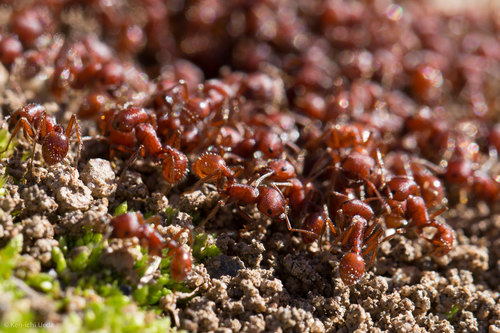
Close Relative (c) Ken-ichi Ueda, some rights reserved (CC BY), uploaded by Ken-ichi Ueda · cc-by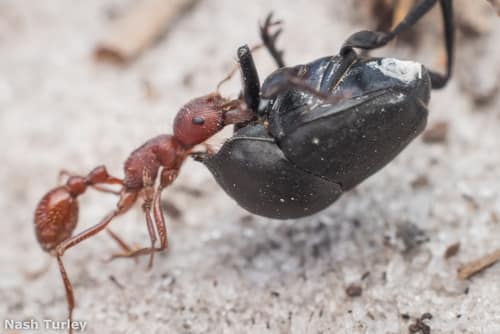
Close Relative (c) Nash Turley, some rights reserved (CC BY), uploaded by Nash Turley · cc-by
Help improve the field guideSomething wrong?
Checking your Fauna account…Report a name, category, or profile issue for review.