
Insect
American Winter Ant
Prenolepis imparisAlso known as False Honey Ant, Winter Ant, False Honeypot Ant
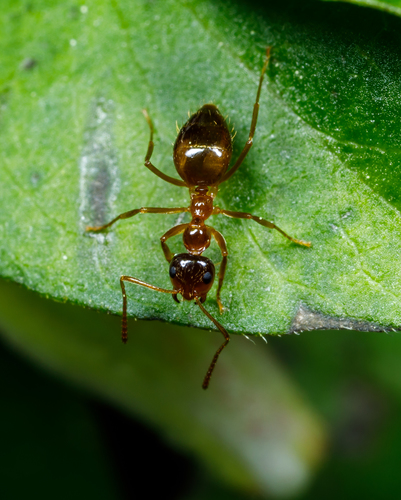
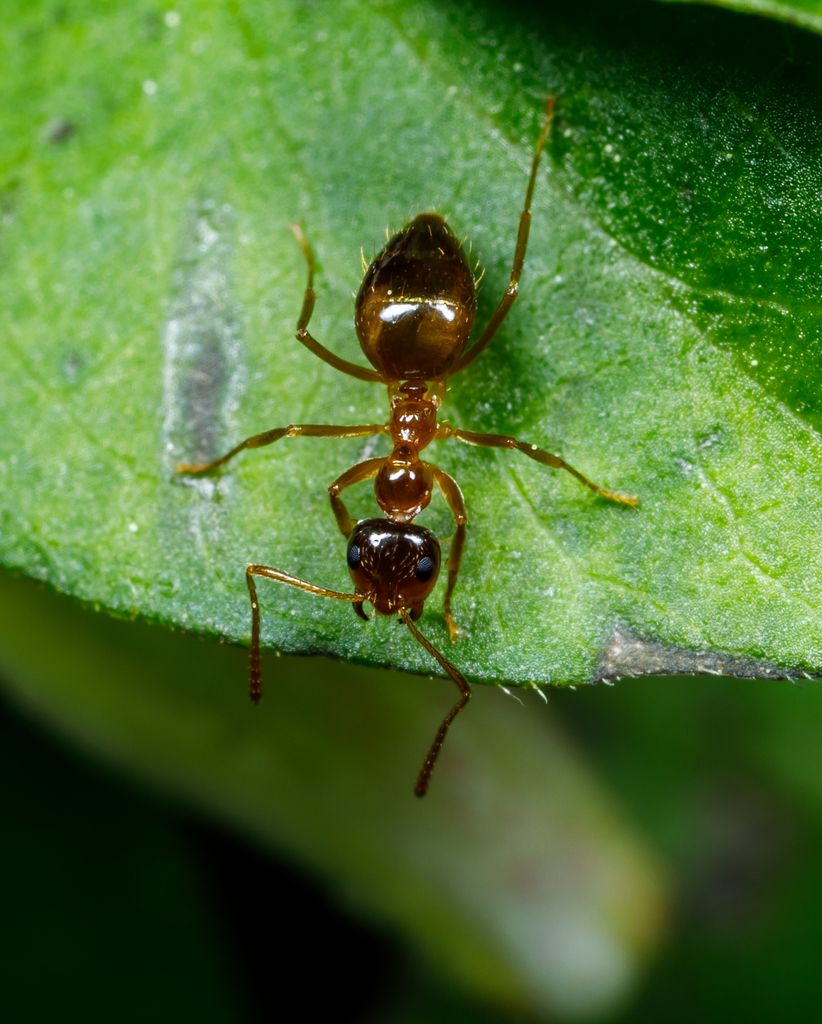
American winter ants defy typical insect biology by thriving in near-freezing temperatures and retreating underground to aestivate through the warm summer months. Workers forage on tree trunks and forest floors in late autumn, winter, and early spring, gathering nectar, sap, and insect secretions while competing species remain dormant. Inside the deep subterranean nest, certain workers act as living food storage vessels, their abdomens swelling dramatically with stored liquid carbohydrates.
Cold-hardySubterraneanSocial
—observations
—countries
—peak records
Not EvaluatedConservation statusIUCN Red List categoriesLCNTVUENCREWEXNot Evaluated — not placed on the risk ladderRed List categories, explained →
Diet & preyAphid Honeydew, Tree Sap, Dead Arthropods
Predators
- Spiders
- Woodpeckers
- Carabid Beetles
ThreatsHabitat loss, heavy pesticide use, and severe soil compaction
HabitatsDeciduous and mixed woodlands, suburban gardens, and forest edges
Life span1–2 years for workers; up to several years for queens
Classification
- OrderHymenoptera
- FamilyFormicidae
- GenusPrenolepis
- SpeciesPrenolepis imparis
Range data is not available yet.
Interaction riskLow
- Low
- Moderate
- High
- Very high
- Why interaction risk is low
- Safe to observe at a normal distance.
Responsible observation
- Observation Timing: Look for them foraging on tree trunks and sidewalks on mild winter days when other insects are absent.
- Baiting Trails: Place a drop of diluted honey or sugar water on bark to observe their abdomen-distending feeding behavior.
- Gentle Watching: Avoid digging into soil nests, as their subterranean galleries can plunge more than a meter deep.
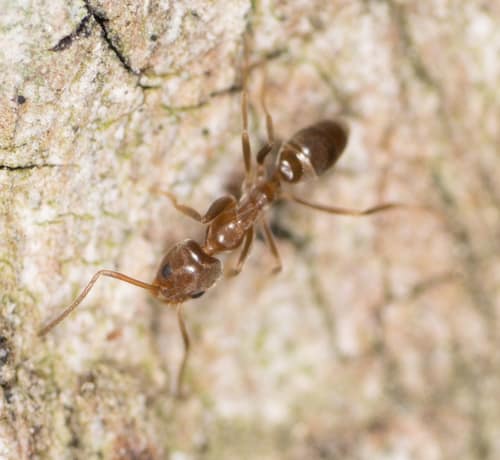
Competitor no rights reserved, uploaded by Jesse Rorabaugh · cc0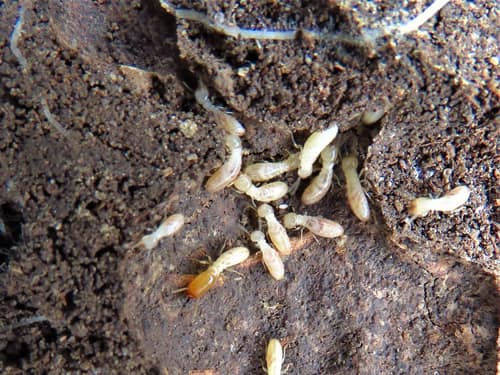
Prey (c) Annika Lindqvist, some rights reserved (CC BY), uploaded by Annika Lindqvist · cc-by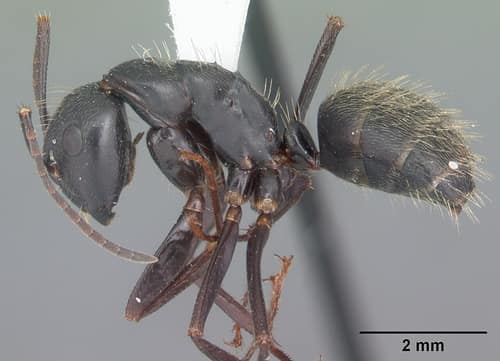
Same Family April Nobile / CC BY 4.0 · cc-by
Help improve the field guideSomething wrong?
Checking your Fauna account…Report a name, category, or profile issue for review.