
Insect
Hyatt's Big-headed Ant
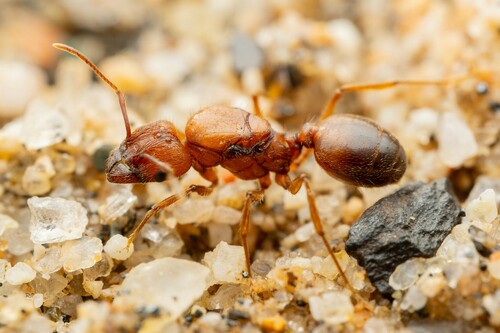
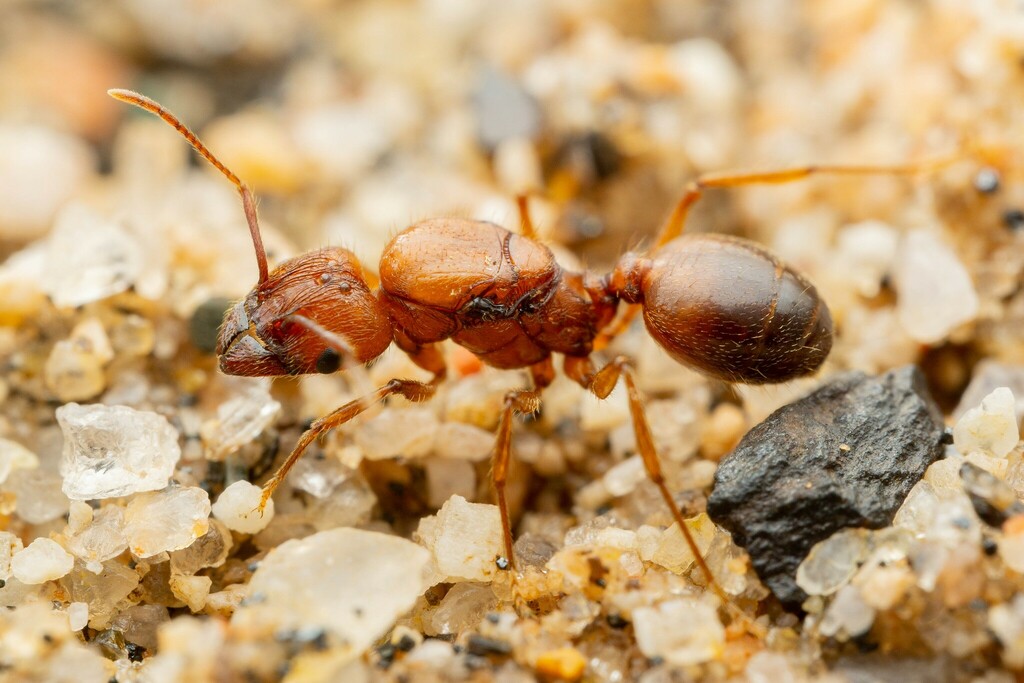
Pheidole hyattiHyatt's big-headed ants feature a pronounced dimorphic worker caste, with massive-headed major soldiers operating alongside smaller minor workers. Minors scout trails and collect grass seeds or scavenge dead arthropods, while the heavy-jawed majors crack tough seed husks and defend subterranean tunnels. Colonies thrive in arid to semi-arid landscapes, typically excavating chambers beneath rocks or establishing low crater mounds in open, sun-baked soil.
DimorphicHarvesterSubterranean
—observations
—countries
—peak records
Not EvaluatedConservation statusIUCN Red List categoriesLCNTVUENCREWEXNot Evaluated — not placed on the risk ladderRed List categories, explained →
Diet & preyPlant seeds, Insect carrion, Floral nectar
Predators
- Horned lizards
- Wolf spiders
- Predatory beetles
ThreatsHabitat urbanization and competition from aggressive invasive ants
HabitatsArid grasslands, desert scrub, oak woodlands, and disturbed soils
Life spanQueens 2–5 years; workers several months
Classification
- OrderHymenoptera
- FamilyFormicidae
- GenusPheidole
- SpeciesPheidole hyatti
Range data is not available yet.
Interaction riskLow
- Low
- Moderate
- High
- Very high
- Why interaction risk is low
- Safe to observe at a normal distance.
Responsible observation
- Trail Finding: Watch for distinct foraging lines connecting small soil crater mounds to seed sources.
- Rock Turning: If gently flipping rocks to observe brood chambers, replace them carefully to preserve moisture.
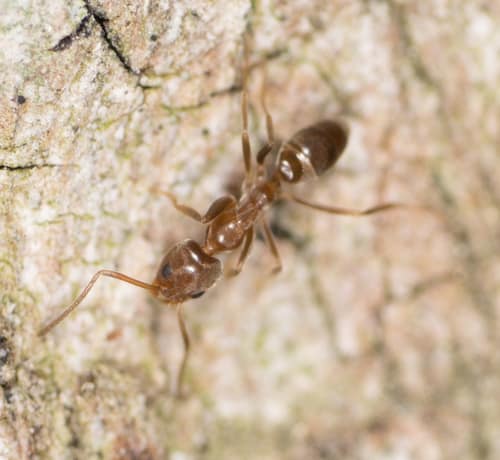
Competitor no rights reserved, uploaded by Jesse Rorabaugh · cc0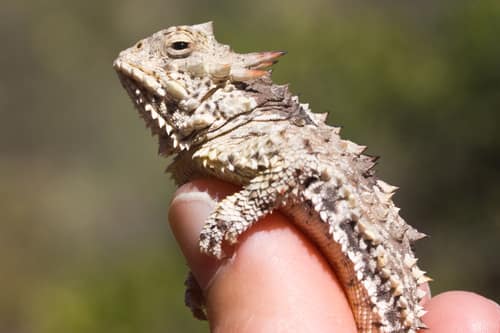
Predator (c) Ken-ichi Ueda, some rights reserved (CC BY) · cc-by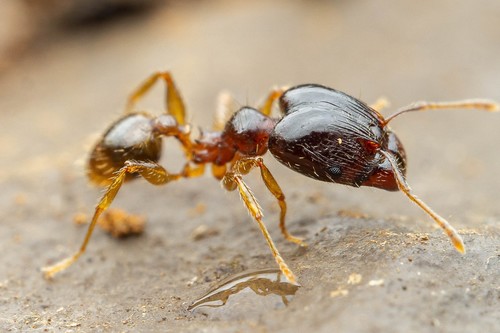
Close Relative (c) Jake Nitta, some rights reserved (CC BY), uploaded by Jake Nitta · cc-by
Help improve the field guideSomething wrong?
Checking your Fauna account…Report a name, category, or profile issue for review.