Also known as Conga Ant, 24-Hour Ant, Lesser Giant Hunting Ant
Bullet ants are formidable forest foragers that scale high into the rainforest canopy to harvest extrafloral nectar and hunt smaller invertebrates. Workers patrol tree trunks individually rather than in crowded pheromone trails, stridulating a distinct warning squeak and releasing pungent chemicals when threatened. Renowned for delivering one of the most agonizing stings in the animal kingdom, colonies construct extensive subterranean nests tucked deep into the buttress root systems of large trees.
Not EvaluatedConservation statusIUCN Red List categoriesLCNTVUENCREWEXNot Evaluated — not placed on the risk ladderRed List categories, explained →
Key facts
Diet & prey
Floral nectar
Caterpillars
Small insects
Predators
Phorid flies
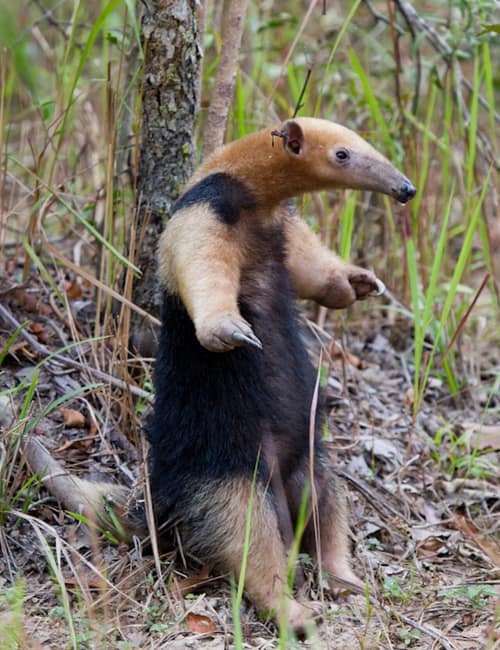
Tamanduas
Birds
ThreatsDeforestation, habitat fragmentation, and agricultural clearing
HabitatsHumid lowland tropical rainforests
Life spanWorkers 1–2 years; queens up to 15–20 years
Classification
OrderHymenoptera
FamilyFormicidae
GenusParaponera
SpeciesParaponera clavata
Range & activity
Range data is not available yet.
Safe observation
Interaction riskVery high
Low
Moderate
High
Very high
Why interaction risk is very high
Delivers an agonizing, long-lasting neurotoxic sting; maintain distance and never handle.
Why it is dangerous
Injects poneratoxin, a potent neurotoxin that blocks synaptic transmission and causes up to 24 hours of excruciating pain, burning, and severe trembling.
How to recognize a risky encounter
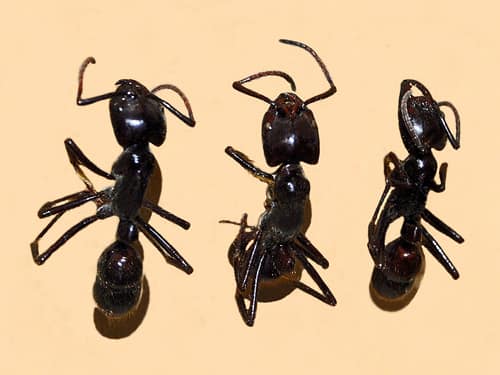
Extraordinarily large reddish-black ant measuring nearly an inch long, typically seen climbing trunks or hanging foliage alone.
What to do
Never touch or brush against one; step back immediately if a worker adopts an upright defensive stance.
Responsible observation
Check Tree Trunks: Always inspect bark and low hanging vines before leaning against vegetation in the jungle.
Listen for Warning Hisses: Alarmed workers stridulate an audible rasping sound to warn off potential threats.
Give Foragers Space: Observe solitary foraging workers from several feet away without obstructing their path.

 Image unavailable