
Insect · GBIF taxon 1317320
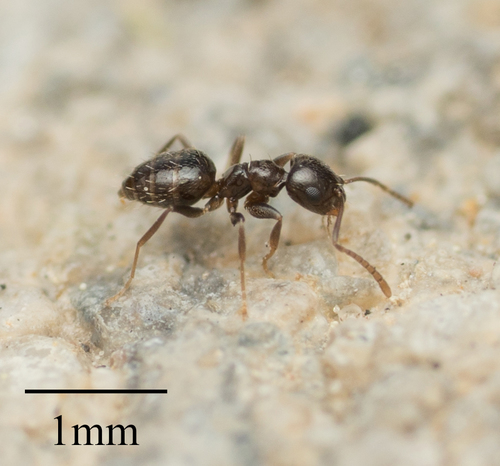
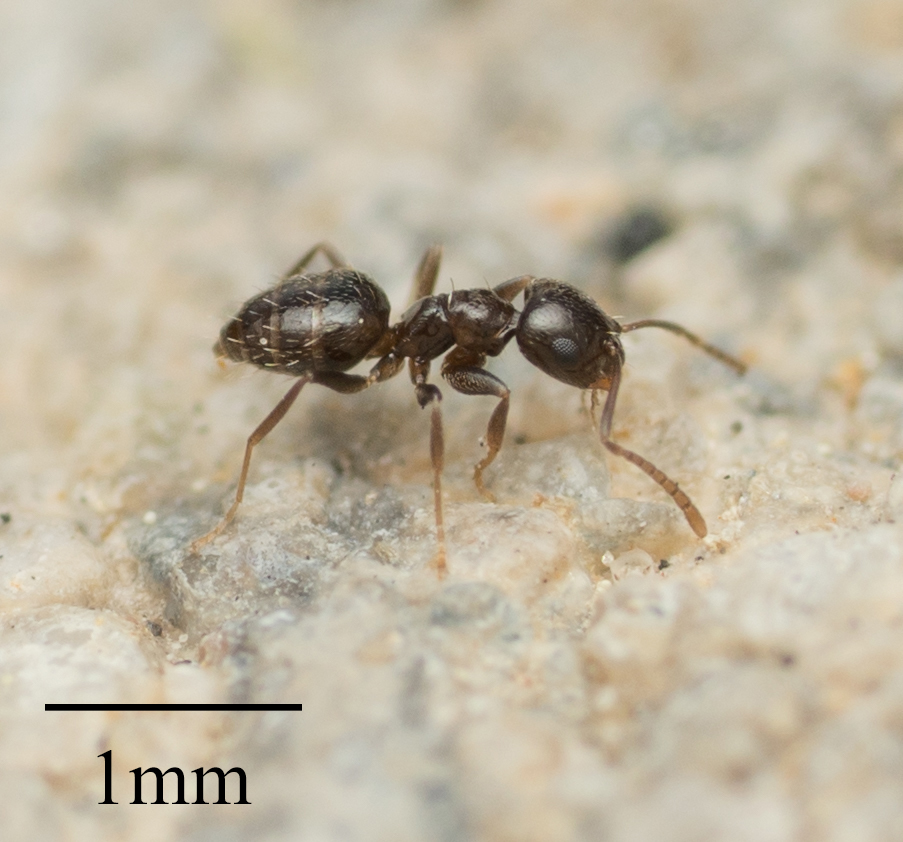
Dark Rover Ant
Brachymyrmex patagonicusAlso known as Black Rover Ant, Patagonian Rover Ant
Dark rover ants form dense, multi-queen colonies that nest opportunistically in soil cavities, rotting logs, mulch beds, and building wall voids. Workers scurry rapidly in loose, erratic lines to gather honeydew produced by aphids, occasionally straying indoors in pursuit of sugary food scraps. During hot, humid summer twilights, vast numbers of winged reproductives take flight simultaneously, swarming around outdoor lights and swimming pools.
InvasiveSocial InsectUrban Wildlife
—observations
—countries
—peak records
Not EvaluatedConservation statusIUCN Red List categoriesLCNTVUENCREWEXNot Evaluated — not placed on the risk ladderRed List categories, explained →
Diet & prey
- Aphid honeydew
- Floral nectar
- Dead arthropods
Predators
- Jumping spiders
- Ground beetles
- Anoles
ThreatsDirect pesticide applications and aggressive competition from larger ant species
HabitatsUrban landscapes, edge habitats, disturbed soil, potted plants, and residential structures
Life spanWorkers 2–6 months; queens 1–3 years
Classification
- OrderHymenoptera
- FamilyFormicidae
- GenusBrachymyrmex
- SpeciesBrachymyrmex patagonicus
Range data is not available yet.
Interaction riskLow
- Low
- Moderate
- High
- Very high
- Why interaction risk is low
- Safe to observe at a normal distance; dark rover ants do not sting, bite, or transmit disease.
Responsible observation
- Detection: Check brick foundations, landscaping timbers, and tree trunks for fast-scurrying dark workers.
- Exclusion: Seal gaps around exterior windows and utility pipes to prevent workers from seeking moisture indoors.
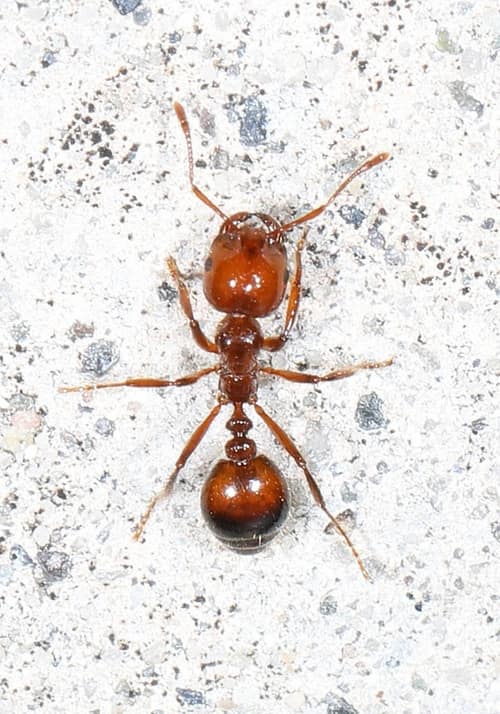
Competitor (c) Judy Gallagher, some rights reserved (CC BY) · cc-by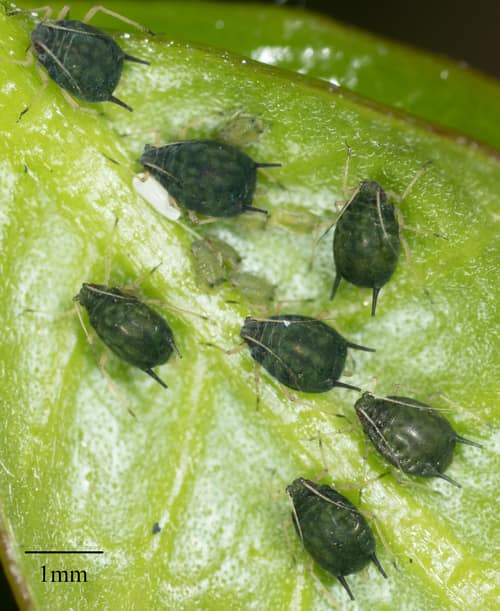
Symbiont no rights reserved, uploaded by Jesse Rorabaugh · cc0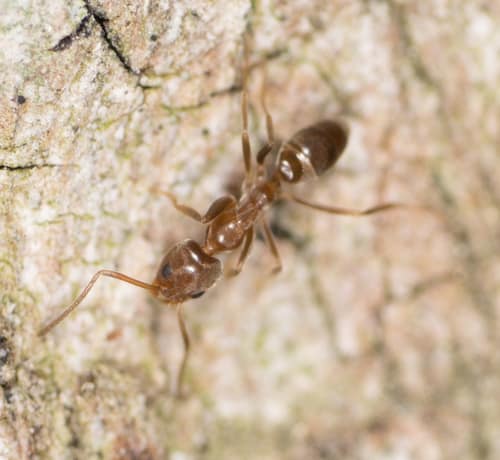
Competitor no rights reserved, uploaded by Jesse Rorabaugh · cc0 Image unavailable
Close Relative
Help improve the field guideSomething wrong?
Checking your Fauna account…Report a name, category, or profile issue for review.